


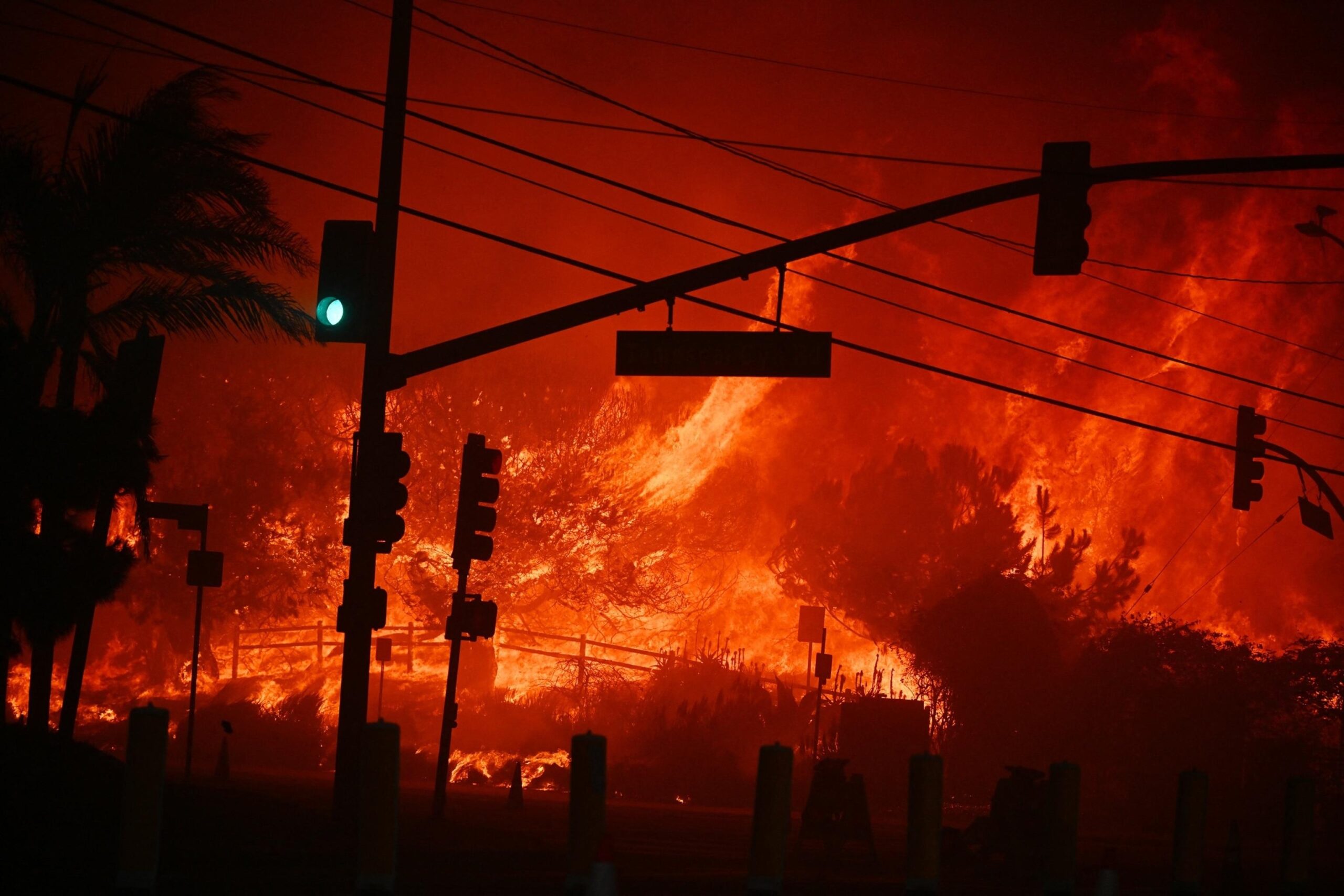
Los Angeles Wildfires Highlight Urgent Insurance and Housing Challenges
The recent surge in wildfires across Los Angeles has spotlighted a mounting crisis impacting both property owners and the insurance sector. As climate change intensifies fire behavior,insurers are increasingly questioning the sustainability of offering coverage in high-risk zones. This has led to soaring premiums, limited policy availability, and in some cases, complete withdrawal of insurance options for residents. These developments underscore the need for innovative risk management strategies and stronger community-level wildfire prevention initiatives.
Industry analysts caution that these evolving conditions could fundamentally alter the real estate landscape in fire-prone areas. The complex interaction between market dynamics and natural disasters is driving several notable trends:
- Declining property values as perceived wildfire risk deters buyers and complicates financing.
- Heightened demands on local authorities to enforce stricter construction standards and invest in fire mitigation infrastructure.
- Emergence of option insurance solutions such as government-backed programs and parametric insurance models tailored to wildfire risks.
| Area of Impact | Current Situation | Future Outlook |
|---|---|---|
| Homeowner Insurance | Premium hikes and policy cancellations | Expansion of “uninsurable� zones |
| Real Estate Market | Reduced demand in vulnerable neighborhoods | Shift toward safer, regulated developments |
| Government Involvement | Focus on emergency response | Proactive fire prevention policies |
How Climate Change and Urban Growth Amplify Fire Hazards in Southern California
Southern California’s wildfire season has grown longer and more destructive, driven by a combination of climate change and rapid urban expansion. The encroachment of residential developments into fire-prone wildland-urban interfaces, coupled with prolonged droughts and rising temperatures, has created highly combustible environments. These factors not only increase wildfire frequency and severity but also complicate firefighting and evacuation efforts.
Primary drivers behind escalating wildfire risks include:
- Urban Sprawl: Expansion into vulnerable areas raises ignition points and complicates emergency responses.
- Temperature Increases: Heatwaves dry out vegetation, turning landscapes into potent fuel sources.
- Unpredictable Weather: Strong, erratic winds and diminished rainfall accelerate fire spread and intensity.
| Factor | Effect | Recent Data |
|---|---|---|
| Urban Development | More ignition sources | 40% increase in last 10 years |
| Temperature Rise | Extended fire seasons | +2.5°F since mid-20th century |
| Drought Frequency | Lower fuel moisture content | Tripled since 2000 |
Policy Innovations Needed to Prevent Insurance Market Collapse and Boost Community Resilience
With insurance premiums soaring and many policies being canceled, experts emphasize the urgent need for policy reforms to stabilize the insurance market and strengthen community defenses against wildfires. Without decisive legislative action, many homeowners in high-risk areas may soon find themselves unable to obtain coverage, pushing entire neighborhoods toward an “uninsurable� status.
Recommended policy measures include:
- Establishing state-backed insurance pools to share wildfire risk and lower costs for consumers.
- Funding wildfire prevention infrastructure such as defensible space programs and fire-resistant construction materials.
- Implementing stricter land-use regulations to restrict development in zones with extreme fire hazards.
- Adopting risk-based premium models that reflect actual hazard exposure and incentivize mitigation efforts.
| Reform Proposal | Anticipated Benefit | Implementation Timeline |
|---|---|---|
| State Insurance Pool | Market stabilization and reduced premiums | 1-2 years |
| Infrastructure Investment | Improved fire readiness and safety | Immediate to 3 years |
| Land-Use Controls | Lower wildfire exposure risk | 6 months to 1 year |
| Risk-Based Pricing | Fairer premiums and mitigation incentives | Ongoing |
Effective Home Protection Tactics Amid Rising Uninsurability
As wildfire seasons grow longer and more intense, homeowners in vulnerable areas must adopt proactive strategies to protect their properties. Creating defensible space by clearing flammable vegetation and debris within at least 100 feet of homes substantially reduces fire risk and improves survival chances during wildfires. Additionally, upgrading to fire-resistant materials—such as tempered glass, ignition-resistant siding, and Class A fire-rated roofing—can enhance a home’s defense against embers and radiant heat.
Given the shrinking availability of conventional insurance, exploring alternative coverage options is critical. Homeowners should consider state wildfire insurance programs and community risk-sharing pools that may provide protection where private insurers retreat. Incorporating smart technologies like interconnected smoke alarms, automated sprinklers, and remote monitoring systems can also offer early detection and rapid response capabilities.
- Maintain defensible space: Regularly clear brush and combustible materials.
- Use fire-resistant construction: Upgrade roofing, siding, and windows.
- Install smart fire detection: Employ interconnected alarms and sprinklers.
- Engage in community fire safety: Collaborate on neighborhood prevention programs.
- Review insurance options: Consult agents about wildfire endorsements and alternative policies.
Final Thoughts: Navigating an Increasingly Fire-Prone Future
As wildfires continue to ravage Los Angeles and surrounding areas, the risk of becoming uninsurable looms large, presenting critically important challenges for homeowners, insurers, and policymakers. Climate change is driving more frequent and severe fires, making it imperative to adapt building codes, enhance fire prevention efforts, and rethink insurance frameworks. The decisions made today by communities and authorities will be pivotal in reducing financial losses and protecting lives in an era of escalating wildfire threats.