


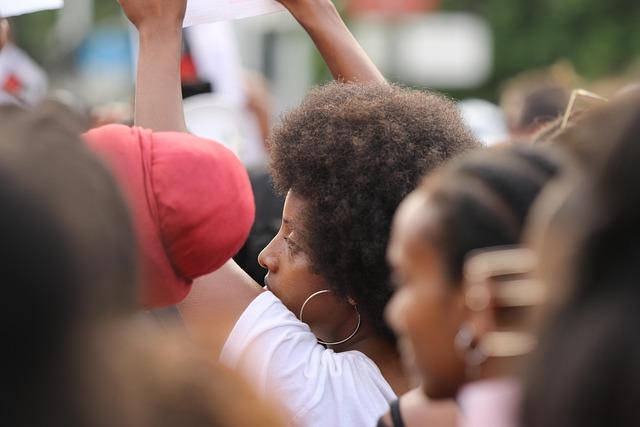
Los Angeles Rally Amplifies Calls for Justice in Renee Nicole Good Case
A large gathering of family members, local residents, and advocacy groups filled downtown Los Angeles this past weekend to demand clarity and accountability in the investigation into the death of Renee Nicole Good. The demonstration renewed public focus on the case and pressed officials for prompt, transparent disclosure of findings while urging structural reforms intended to prevent similar incidents in the future.
Community Seeks Clear Answers and Ongoing Updates
People marched and listened to speakers who stressed that timely information from authorities is essential to maintain public confidence. Banners reading “Justice for Renee Nicole Good� and “We Deserve Answers� were on display throughout the event, underscoring a shared insistence that investigators provide consistent public briefings and outline next steps.
Primary requests from organizers
- Frequent, public progress reports about the investigation
- Independent review to eliminate conflicts of interest
- Expanded services and resources for the victim’s family and affected community members
- Concrete commitments from officials to pursue accountability where warranted
| Demand | Current Status |
|---|---|
| Regular public briefings | Inconsistent |
| Independent oversight | Being reviewed by stakeholders |
| Victim and family support | Available but limited |
| Accountability measures | Requested; no final decisions announced |
Policy Reforms Advocated to Prevent Future Harm
Speakers at the rally presented a suite of policy recommendations intended to reduce the likelihood of avoidable deaths and improve the justice system’s responsiveness. Rather than incremental fixes, activists argued for structural changes designed to transform how communities and law enforcement interact.
Reform proposals highlighted by organizers
- Universal use and strict enforcement of body-worn camera policies
- Independent, external investigations for cases involving potential misconduct
- Redirected funding toward community-based prevention programs (mental health services, youth outreach, housing assistance)
- Mandatory, recurring anti-bias and de-escalation training for officers
Many advocates pointed to existing models in other jurisdictions: New York City’s Civilian Complaint Review Board and Oakland’s Independent Police Auditor were cited as practical frameworks for neutral oversight. Community leaders also noted that investing in social services can act as a preventative measure—similar to how preventative maintenance reduces the chance of major mechanical failure in complex systems.
Personal Testimonies Highlight Systemic Concerns
Friends and family delivered emotional remarks describing the human toll behind the headlines. Several speakers framed Renee Nicole Good’s death as part of a pattern where families feel left without satisfactory answers, and communities grow increasingly distrustful of institutions meant to protect them.
Common themes from rally participants
- Frustration over slow or sparse communication from investigative agencies
- Demand for civilian input in policy decisions that affect public safety
- Calls for training and protocols that prioritize preserving life and preventing harm
- Urgent appeals for mechanisms that guarantee impartial examinations of incidents
| Issue | Community Effect | Suggested Remedy |
|---|---|---|
| Opacity in investigations | Diminished trust | Scheduled public updates |
| Slow case timelines | Heightened community frustration | Defined statutory timeframes |
| Limited external review | Perceived conflicts of interest | Independent investigative units |
Experts Urge Stronger Oversight and Enhanced Training
Criminal justice specialists and civil rights advocates echo many of the rally’s demands, stressing institutional safeguards that not only respond to alleged misconduct but actively reduce its occurrence. They recommend formalizing independent review processes, improving data transparency, and engaging communities in oversight roles to rebuild trust.
Focused training priorities recommended by analysts
- De-escalation strategies designed to minimize force
- Cultural competency to improve interactions across diverse communities
- Ethics and accountability training to bolster professional judgment
- Mental-health and crisis intervention curricula to better handle non-criminal emergencies
Recent research and departmental reviews emphasize that continuous, scenario-based training yields better outcomes than one-time seminars. Departments that pair training with robust accountability and community involvement report improvements in both public perception and incident outcomes.
What Comes Next: Roadmap for Accountability
Organizers plan to sustain pressure through coordinated actions: petition drives demanding independent probes, meetings with city officials to push for transparent timelines, and coalitions with other advocacy groups to lobby for legislative changes. The family of Renee Nicole Good has called for regular updates and has asked that any independent oversight be empowered to publish findings publicly.
Observers note that durable change often follows when grassroots campaigns are matched by policy wins—examples include cities that implemented civilian oversight boards or reallocated funds toward social services after public advocacy campaigns. The community behind Renee Nicole Good’s case is aiming for a similar trajectory: transform grief into tangible reforms that lower the risk of future tragedies.
Closing Thoughts
The Los Angeles rally in honor of Renee Nicole Good made clear that the demand for justice transcends individual cases; it is part of a broader push for transparency, fairness, and systemic change within public safety institutions. As officials review the investigation and community leaders press for concrete reforms, the coming weeks will be critical for whether those calls result in meaningful accountability and policy shifts.