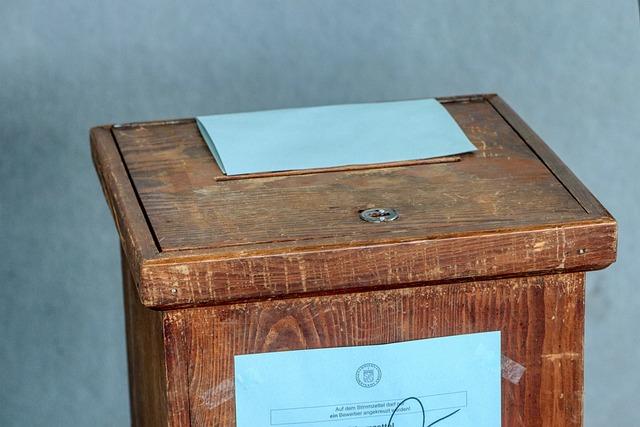
Federal Order to Separate “Likely” Noncitizen Ballots in California Sparks Broader Election Debate
Federal election authorities have instructed several California county election offices to isolate ballots tied to registrants flagged as “likely” noncitizens. The directive-brought to light in recent reporting-has intensified discussions about how to preserve election integrity while protecting voter access. Officials backing the instruction say it’s a necessary verification step; critics argue the approach risks wrongful exclusion and legal fights, and could erode public trust just weeks before major contests.
What the Federal Request Entails
Federal investigators asked county clerks to take a series of specific actions regarding ballots linked to individuals identified by federal screening as potentially ineligible due to citizenship status. Requested measures included:
- Flagging ballots connected to registrations that appear in federal matches as probable noncitizens;
- Separately storing those ballots rather than processing them with the general tally;
- Sharing records and coordinating with federal agencies to confirm or refute citizenship indicators;
- Providing timely reports of findings so state and federal authorities can track outcomes.
Election administrators have been asked to carry out these steps before final certification of results, a request that adds an extra layer of review to established post-election procedures.
Why This Is Significant for California and Beyond
California-home to more than 20 million registered voters-plays an outsized role in national politics. Any change in how ballots are vetted or counted in the state can reverberate nationwide, particularly if it becomes a model for other jurisdictions. There are two competing priorities at stake:
- Accuracy: Ensuring that only eligible voters cast ballots and that election outcomes reflect legitimate votes.
- Access: Protecting the right of every eligible citizen to cast a ballot without facing improper obstacles or erroneous exclusion.
Academic studies and research organizations have repeatedly found that noncitizen voting is extremely uncommon. That historical rarity raises questions about the cost-benefit balance of broad, data-driven screening that may produce false positives.
Legal and Constitutional Concerns
Requiring counties to isolate ballots on the basis of an internal or federal “likely” designation opens several legal fault lines. Potential claims likely to arise include challenges under the Due Process Clause and the Equal Protection Clause, as well as causes of action tied to federal voting statutes. Core legal issues include:
- Standards of Proof and Fair Process: What level of confidence is required before a ballot is set aside, and how will affected voters be notified and given an opportunity to contest a finding?
- Transparency of Methods: Whether the algorithms, data sources, or rules used to flag registrants are disclosed and subject to independent review.
- Risk of Unequal Treatment: If certain communities are overrepresented among flagged registrations, segregation could produce disparate impact claims.
Legal experts anticipate litigation if counties act on federal requests without clear, court-tested procedures. The courts will likely be asked to weigh the state and federal interest in accurate rolls against the constitutional protection of the franchise.
How County Officials Are Reacting
Local election offices have varied in their responses. Several county clerks have pushed back, demanding clearer evidence and instructions before separating ballots. Common themes in county reactions include:
- Reluctance to act on nonpublic screening criteria without seeing the underlying data;
- Concerns about triggering voter confusion and discouraging turnout if eligible citizens are misidentified;
- Requests for additional resources-legal, technical, and personnel-if counties are to carry out labor-intensive verifications.
Some jurisdictions have opted for caution-maintaining routine processing while securing legal guidance-whereas others are coordinating limited, reserved reviews of flagged items. The differing responses underscore the lack of uniform operational guidance and the practical difficulty of implementing federal requests across diverse county systems.
Operational Challenges: Logistics, Privacy, and Trust
Isolating selected ballots raises immediate logistical questions about chain of custody, ballot secrecy, and record-keeping. Practical concerns include:
- Maintaining secure storage and separate handling that does not compromise voter anonymity;
- Ensuring any additional review does not delay canvass timelines or certification deadlines;
- Protecting personal data when election offices share registration records with federal partners;
- Allocating staff time and funding to an expanded verification workload during an already busy election cycle.
Analogy: Like a spam filter that catches legitimate messages alongside junk mail, an overbroad screening process can snare lawful voters-creating delay and frustration even when mistakes are eventually corrected.
Policy and Practical Recommendations
To reconcile the twin aims of accuracy and access, counties and federal authorities should pursue a set of safeguards before ballots are excluded or permanently segregated:
- Publicly disclose methodology: Make the data sources and matching criteria available for independent review to reduce the risk of opaque, error-prone processes.
- Implement time-bound provisional handling: Temporarily set aside contested ballots but continue normal processing and provide expedited procedures for verification and voter notification.
- Use corroborating evidence: Avoid relying on a single automated match; require corroboration from multiple reliable sources before any ballot is removed from consideration.
- Provide robust voter outreach: Inform potentially affected voters promptly and give clear instructions on how they can confirm eligibility and preserve their vote.
- Fund and train staff: Ensure election offices have the technical capacity, legal support, and personnel to conduct careful, nondiscriminatory reviews.
- Independent audits: Engage neutral auditors to examine the process and publish findings to restore or bolster public confidence.
These steps can reduce litigation risk and help maintain the integrity of the vote count while protecting citizens from inadvertent disenfranchisement.
Potential National Impact
Because California often serves as a bellwether for election administration practices, how counties respond could influence nationwide standards. If courts or policymakers endorse a protocol that permits routine segregation of ballots based on federal flags, other states may adopt similar measures-raising broader questions about consistency, civil rights, and the role of automated data matching in elections.
Conclusion: Balancing Scrutiny with Safeguards
The federal request to isolate ballots tied to registrants deemed “likely” noncitizens has sharpened a longstanding tension: how to defend election integrity without imposing unjustified barriers to voting. Given that research shows noncitizen voting to be exceptionally rare, any program that singles out ballots must be narrowly tailored, transparent, and accompanied by safeguards-notification paths, corroborating checks, adequate funding, and independent oversight-to prevent harm to lawful voters. The coming weeks will test whether federal, state, and local officials can craft a process that secures the vote while honoring the fundamental right to participate in democracy.