


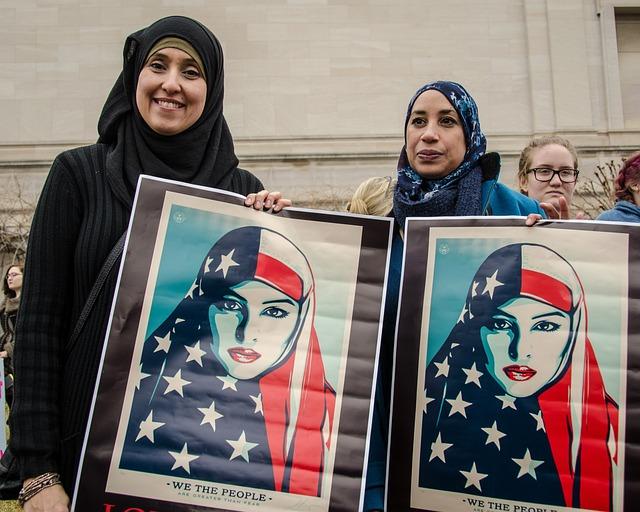
Hundreds of Anti-ICE Rallies Sweep the U.S. as Advocates Push for Systemic Reform
This weekend, grassroots organizations and human-rights coalitions are staging a coordinated wave of anti-ICE demonstrations across the United States. Organizers report more than 300 separate events—ranging from marches and teach-ins to creative public installations—aimed at spotlighting concerns about Immigration and Customs Enforcement (ICE) practices and pressing for durable policy change. The scale and geographic breadth of the actions reflect a deepening public unease over immigration enforcement and an intensified effort to shift the national conversation.
Why the Large-Scale Mobilization Matters
The surge in protests is driven by a constellation of grievances that organizers say are long-standing and worsening. Central complaints include prolonged family separations at the border, allegedly substandard conditions inside detention facilities, and aggressive deportation strategies that critics argue break up communities and undermine due process. Activists frame the weekend as part of a sustained campaign to move beyond episodic demonstrations and into continuous civic pressure on elected officials and federal agencies.
Main grievances fueling the demonstrations
- Family separations and their long-term trauma
- Lack of transparency and oversight in ICE detention facilities
- Expanding deportation measures and their community impact
- Cooperation between local police and federal immigration enforcement
Geographic Focus and Expected Local Impacts
Protests are concentrated in major metropolitan centers but also appear in mid-sized cities and suburban communities, underscoring the movement’s broad reach. Organizers estimate larger turnouts in cities with prominent ICE offices or recent high-profile immigration cases, while smaller rallies are planned in college towns and regional hubs.
| Region/City | Approximate Number of Events | Typical Activities |
|---|---|---|
| West Coast (Los Angeles, Seattle, San Francisco) | 90+ | Marches, vigils, informational booths |
| East Coast (New York, Boston, Miami) | 80+ | Rallies, teach-ins, legal clinics |
| Midwest (Chicago, Detroit, Minneapolis) | 60+ | Sit-ins, coalition meetings, street theater |
| South (Houston, Phoenix, Atlanta) | 80+ | Petition drives, art installations, voter outreach |
Local officials in several cities have warned residents to anticipate transit delays, partial street closures, and temporary restrictions around government buildings. Police departments in larger cities say they are scaling up deployment and coordinating logistics to preserve public safety while facilitating lawful protest activity.
How Organizers Are Operating: Tactics and Long-Term Strategy
Beyond weekend demonstrations, organizers are using a mix of short-term, visible tactics and behind-the-scenes groundwork designed to produce policy outcomes. These include:
- On-site legal aid stations at demonstrations to assist those facing immigration issues
- Voter registration drives and targeted lobbying campaigns aimed at local and federal representatives
- Partnerships with labor unions, faith groups, and student organizations to broaden outreach
- Creative direct actions—murals, performance pieces, and public memorials—to maintain media attention
Advocates stress that the weekend is intended as a springboard for sustained civic engagement—what some coalition leaders call a “year-round pressure campaign” that mixes grassroots organizing with legislative advocacy and strategic litigation.
Policy Demands: What Protesters Are Asking For
While tactics vary, many groups share a consistent set of policy goals. Their priorities reflect both immediate changes to enforcement practice and larger structural revisions to the immigration system:
- End local law enforcement cooperation with Immigration and Customs Enforcement
- Close for-profit detention facilities and improve oversight of existing detention centers
- Establish protections that limit deportations in sanctuary jurisdictions
- Create legislative pathways to regularization and citizenship for long-term residents
Organizers also call for increased transparency—regular public reporting on detention conditions, use of force, and family-case tracking—as well as independent oversight mechanisms to investigate abuses.
Balancing Public Safety and the Right to Protest
Civic leaders and civil-rights groups are urging law enforcement to adopt strategies that protect both community safety and constitutional freedoms. Recommended practices include early coordination between city officials and organizers, deployment of officers trained in nonviolent crowd management, and clear public guidance on permitted routes and meeting locations. Civil liberties advocates warn against heavy-handed tactics that could escalate tensions and undermine trust.
Suggested protocols for authorities
- Establish consistent lines of communication with demonstration organizers before events
- Use de‑escalation training and designate specialized liaison teams
- Implement transparent complaint and review processes for alleged misconduct
- Prioritize medical and legal aid access for vulnerable participants
Potential Ripple Effects and What to Watch Next
The immediate footprint of the protests will be visible in transit updates and temporary public-space restrictions, but the larger effects could appear over weeks and months. Watch for:
- Local government resolutions or executive actions responding to demonstrator demands
- New legislative proposals at state and federal levels addressing detention oversight or jurisdictional cooperation with ICE
- Expanded coalition activities—such as joint labor-immigrant campaigns—that sustain pressure beyond rallies
- Increased media coverage and public debate that could shift policymaker priorities
Recent years have shown that sustained public pressure can lead to policy shifts at the municipal level—cities that enacted sanctuary-style protections often did so after years of organized advocacy combining public demonstrations with legal and electoral strategy. Organizers hope this weekend will accelerate similar outcomes nationwide.
Conclusion
With over 300 anti-ICE events planned across the country, this weekend represents more than a series of isolated protests—it is an orchestrated push by a broad coalition seeking both immediate reforms and long-term transformation of immigration enforcement. How authorities, communities, and policymakers respond in the days ahead will shape whether the momentum translates into concrete policy change or remains a moment of symbolic dissent.