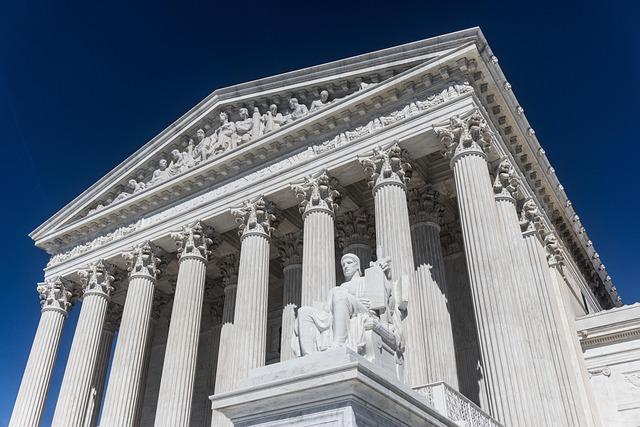
Supreme Court Upholds Expanded Census-Based Citizenship Checks: What It Means for Voter Rolls and Rights
The Supreme Court, in a closely split ruling, has affirmed the federal government’s authority to expand citizenship verification tied to census and registration data. Supporters say the move bolsters election integrity by tightening controls that prevent noncitizen voting; critics warn it creates a pathway to wrongful removals from voter rolls and could suppress turnout among communities that already face barriers to participation. As states ready their systems ahead of upcoming elections, the decision is reshaping debates over voter registration, election administration, and voting rights.
What the Ruling Changes: Expanded Citizenship Verification Explained
At the heart of the decision is permission for election authorities to widen the scope of citizenship checks by comparing state voter lists with federal immigration and census-derived records. Practically, this means registrants may be flagged if their information does not align with databases maintained by federal agencies. Proponents frame this as an essential layer of scrutiny to maintain confidence in election outcomes; opponents see it as an intrusive step that risks misidentifying eligible citizens.
Rather than eliminating registrants outright, most jurisdictions implementing new checks are likely to adopt multi-step procedures that begin with automated matching and – in theory – progress to manual review and notice to affected voters. However, differences in how states interpret and operationalize those steps may create substantial variation in outcomes.
How Voter Rolls Could Be Affected
Expanded verification will alter voter-roll management in a few predictable ways:
- More frequent database maintenance: Election offices may increase routine cross-referencing with federal records, creating more opportunities to detect discrepancies but also to generate false flags.
- Additional administrative workload: Staff will need to investigate mismatches and manage notifications and appeals, potentially stretching smaller jurisdictions.
- Variation across states: Without standardized protocols, some states may remove or place voters on hold more quickly than others, producing uneven effects nationwide.
Nonpartisan research and watchdog groups have repeatedly found that confirmed cases of noncitizen voting are extremely uncommon; therefore, aggressive purges driven by imperfect data matching risk removing many lawful voters while addressing a relatively rare problem.
Analogy: Cleaning Your Contacts – Carefully
Think of the process like cleaning duplicate contacts on a smartphone: a careful approach reviews each suspected duplicate before deletion, while a rushed script that deletes matches automatically may erase important contacts. Similarly, automated database matches can reduce clutter but also delete people from voter files if safeguards are not in place.
Legal and Civil-Rights Perspectives
Legal analysts and civil-rights organizations have expressed alarm that widened checks will disproportionately affect communities that historically face documentation hurdles – including people of color, the elderly, recent movers, and low-income residents. Key legal and procedural concerns include:
- Erroneous de-registrations: Inaccurate matches or outdated records can lead to eligible voters being flagged as noncitizens.
- Insufficient notice and remedy: Affected voters may receive unclear or late notices, making it difficult to respond in time for an election.
- Disparate impact risks: Practices that appear neutral on their face can still produce unequal outcomes along racial or socioeconomic lines, which can trigger civil-rights challenges.
Observers expect litigation to follow in multiple states as organizations test whether new procedures comply with federal law and constitutional protections. Courts may be asked to weigh the balance between preventing ineligible voting and protecting the franchise of eligible citizens.
Practical Consequences for Voters and Election Officials
On the ground, voters could experience several direct effects:
- Receiving confusing removal notices or provisional ballots if their registration is placed in question.
- Facing additional administrative steps to reassert eligibility, which can be a deterrent for people with limited time or resources.
- Encountering longer processing times at election offices during peak registration or pre-election periods.
Election administrators, meanwhile, will need new training, clearer internal protocols, and possibly additional funding to manage higher caseloads of verification-related inquiries. Smaller counties with fewer resources may struggle more than well-funded jurisdictions, potentially magnifying geographic inequities.
Policy Options and Safeguards Recommended by Advocates
Civil-rights groups, election experts, and some lawmakers are urging a suite of reforms designed to reduce the risk of wrongful disenfranchisement while allowing legitimate verification work to proceed. Recommended measures include:
- Transparent, standardized matching rules: Clear, public criteria for when a mismatch triggers removal, and thresholds that favor manual review over immediate de-registration.
- Robust notice and appeal processes: Timely, plain-language notifications with multiple ways for voters to confirm citizenship and regain active status.
- Independent audits: Regular third-party reviews of matching algorithms and purge outcomes to detect systemic errors or bias.
- Targeted training and funding: Resources for local election offices to implement verification carefully, including multilingual outreach where needed.
These safeguards aim to strike a balance: improving the accuracy of voter rolls without creating a chilling effect that deters eligible people from participating in elections.
Examples from Recent Practice
In recent years several states experimented with cross-checks and database sharing; where jurisdictions coupled automated matching with robust human review, most discrepancies were resolved without disenfranchisement. Conversely, pilot programs that relied heavily on automated purging reported higher rates of contested removals and subsequent litigation.
These experiences demonstrate that process design matters: verification can be implemented in ways that are minimally disruptive, or in ways that lead to confusion and legal battles.
Looking Ahead: Litigation, Legislation, and Local Responses
The Supreme Court’s ruling will likely catalyze a patchwork of state responses. Some legislatures may codify strict verification workflows and appeal rights; others may move swiftly to purge more names. Expect continued legal challenges focused on whether procedures meet constitutional standards and federal voting-rights protections.
At the local level, election officials and advocacy groups will play a critical role in educating voters about their rights and ensuring that any flagged individuals receive clear instructions for restoring their registration. Community organizations often serve as front-line helpers in such situations and will be essential in preventing avoidable disenfranchisement.
Conclusion: Integrity Versus Access – The Dilemma Continues
The Court’s decision affirms the government’s ability to pursue expanded citizenship verification, but it does not settle the broader question of how best to reconcile election integrity with universal access to the ballot. The immediate outcome will be determined by how states implement the ruling – whether with protective, transparent procedures that minimize harm, or with aggressive approaches that may sweep eligible voters off the rolls. Policymakers, courts, and civil-society organizations now face the urgent task of crafting and policing safeguards so that improvements in roll accuracy do not come at the expense of voting rights.