



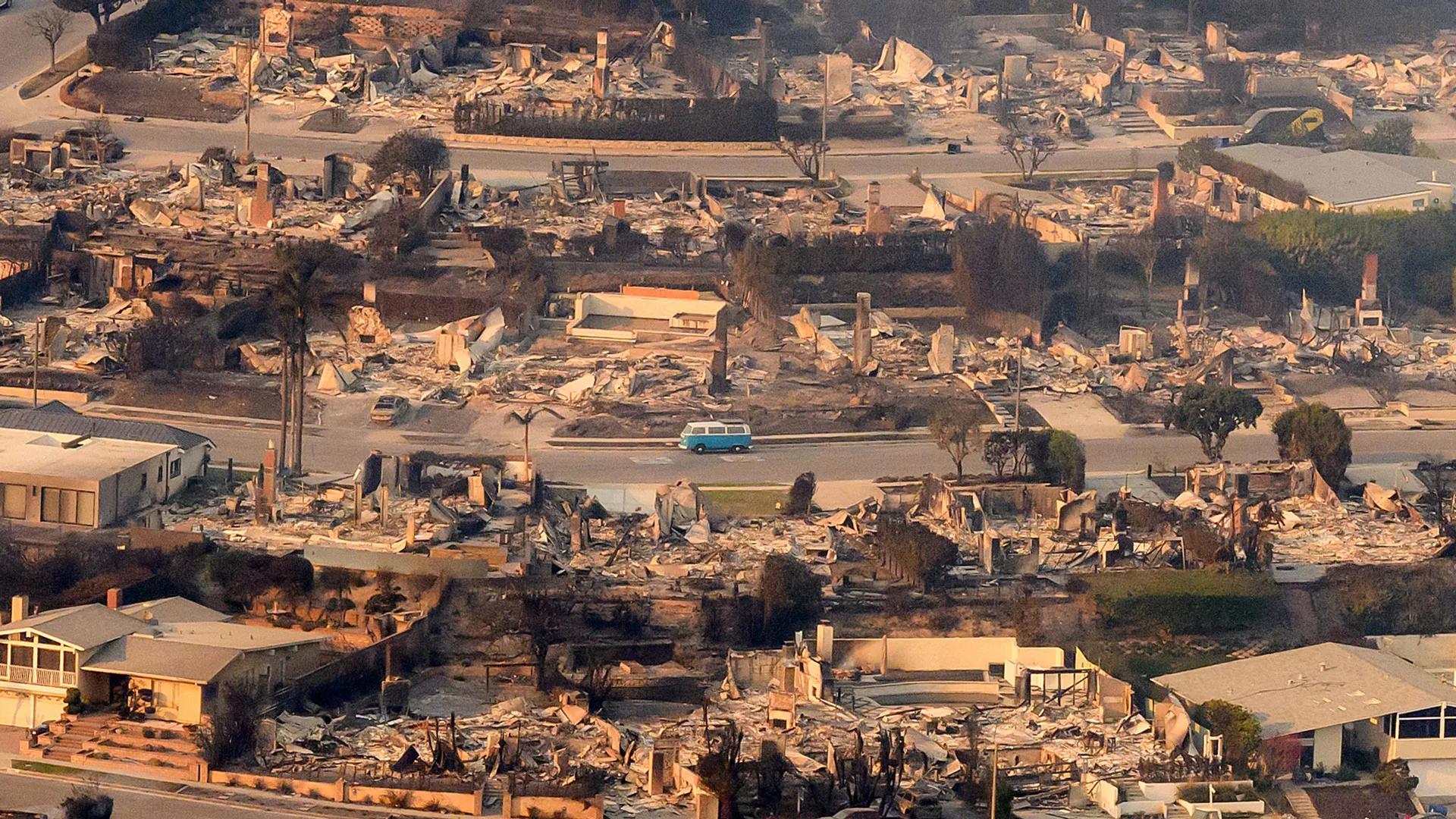
Wildfire Economic Impact Surpasses $250 Billion
The financial toll from recent wildfires has surged dramatically, with total damages now exceeding $250 billion. This alarming escalation reflects not only the increasing frequency and intensity of wildfires but also the rapid growth of communities in fire-prone areas. As insurance claims multiply and infrastructure repair costs soar,the strain on local governments,insurers,and residents intensifies. This trend highlights the critical need for improved fire mitigation measures and resilient urban planning to protect vulnerable regions.
Major contributors to the rising wildfire costs include:
- Extensive destruction of residential and commercial buildings
- Widespread displacement and economic disruption across multiple states
- Escalating expenses related to firefighting and emergency services
- Long-term environmental rehabilitation and restoration efforts
| Damage Category | Estimated Cost | Scope of Impact |
|---|---|---|
| Property Losses | $140B | Residential, commercial, and public infrastructure |
| Firefighting & Emergency Response | $50B | Suppression efforts, rescue missions |
| Economic Displacement | $35B | Job losses, business interruptions |
| Environmental Restoration | $30B | Reforestation, soil and watershed recovery |
Underlying Causes of Increasing Wildfire Damage
The surge in wildfire-related losses stems from a combination of environmental and human factors. Climate change plays a pivotal role by extending dry seasons, intensifying heatwaves, and altering precipitation patterns, all of which create conditions ripe for large-scale fires.Simultaneously, the expansion of suburban and exurban developments into wildland areas—known as the wildland-urban interface—has exposed more properties to fire hazards. Additionally, decades of fire suppression have led to dense vegetation buildup, providing abundant fuel for wildfires. Aging electrical infrastructure further exacerbates risks, as faulty power lines have been identified as ignition sources in numerous recent fires.
Primary factors fueling wildfire damage escalation:
- Climate Change: Longer drought periods, increased temperatures, and reduced humidity.
- Urban Expansion: Growth of residential and commercial developments in fire-prone zones.
- Vegetation Accumulation: Excessive fuel loads due to past fire suppression.
- Infrastructure Vulnerabilities: Aging power grids and equipment prone to sparking fires.
| Factor | Effect | Category |
|---|---|---|
| Extended Drought | Elevated ignition probability | Environmental |
| Suburban Growth | Increased exposure of properties | Demographic |
| Fuel Load Buildup | Greater fire intensity potential | Ecological |
| Electrical Infrastructure Failures | Fire ignition sources | Infrastructure |
Wildfire Effects on Communities and Critical Infrastructure
Wildfires have left profound scars on communities, forcing tens of thousands to evacuate and disrupting daily life. Beyond the immediate destruction of homes and businesses, these disasters fracture local economies and social networks. Essential services such as schools, hospitals, and emergency facilities frequently enough face closures or limited operations, disproportionately impacting vulnerable populations. Infrastructure systems—including electrical grids, water supply networks, and transportation routes—suffer extensive damage, complicating recovery and emergency response efforts.
The financial strain on local and state governments is substantial, with infrastructure repair costs alone reaching tens of billions. The table below outlines key infrastructure damages and their projected restoration expenses:
| Infrastructure Type | Damage Severity | Estimated Repair Cost (Billions) |
|---|---|---|
| Electric Power Grid | Severe | $45 |
| Water Distribution Systems | Moderate | $12 |
| Transportation Infrastructure | Severe | $38 |
| Public Facilities | High | $27 |
Rebuilding and recovery efforts will span several years, requiring coordinated action from government bodies, private sector partners, and community organizations. Emphasizing resilient infrastructure design and integrating fire-adaptive strategies will be vital to reduce future vulnerabilities and protect lives and livelihoods.
Comprehensive Approaches to Reduce Future Wildfire Damage
Mitigating the soaring costs of wildfire damage demands a multifaceted strategy that blends proactive land stewardship with stringent building standards. Implementing effective fuel management practices—such as prescribed burns and mechanical vegetation thinning—can substantially diminish wildfire intensity and spread. Equally important is the establishment of defensible spaces around structures, minimizing flammable materials near homes and businesses. Updating building codes to require fire-resistant materials and construction techniques will further safeguard properties against wildfire impacts.
Policy frameworks should encourage collaboration among federal,state,and local agencies alongside private stakeholders,supported by targeted funding and community engagement. The following strategic initiatives offer a roadmap for reducing wildfire risks:
| Strategy | Key Initiatives | Anticipated Benefits |
|---|---|---|
| Public Awareness & Education |
|
Lower incidence of human-caused fires and enhanced local readiness |
| Land Use and Zoning Policies |
|
Reduced exposure of properties to wildfire hazards |
| Emergency Response Improvements |
|
Quicker fire containment and minimized casualties |
Conclusion: Addressing the Growing Wildfire Challenge
With wildfire-related damages surpassing $250 billion, the consequences extend well beyond immediate destruction, affecting economic stability, public health, and environmental sustainability.This staggering figure calls for urgent, coordinated action to strengthen fire prevention, improve infrastructure resilience, and boost emergency response capabilities. Collaboration among policymakers, communities, and industry leaders is essential to confront the escalating wildfire threat and reduce its devastating social and economic repercussions. Ongoing monitoring and analysis will remain critical to adapting strategies and safeguarding vulnerable regions in the face of a changing climate.




