Eight Presumed Dead After B-52 Bomber Crash Near Southern California Air Force Base
Military and emergency teams are conducting search and recovery operations after a B-52 bomber crashed during a routine sortie at an Air Force installation in Southern California. Officials confirmed that eight crew members are presumed deceased. A formal investigation has been launched to determine what occurred, while base leadership offers support to grieving families.
What Happened: Current Status of the Incident
The aircraft went down during routine flight operations, prompting an immediate multi-agency response. First responders, base emergency crews and specialized recovery teams secured the scene and began collecting wreckage and forensic material. Authorities have not yet released conclusive findings on cause or sequence of events. Formal inquiries are underway, and officials have cautioned that it may take weeks or months to reach definitive conclusions.
A Closer Look at the Fleet: Longevity, Upgrades and Maintenance Pressures
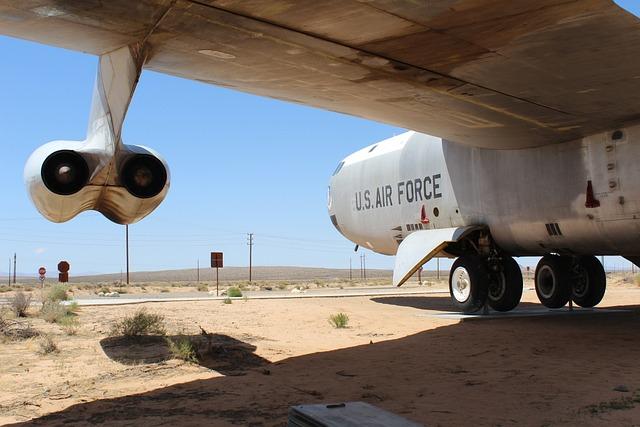
The B-52 Stratofortress is one of the longest-serving heavy bombers in history. First flown in the early 1950s, the Air Force has kept the platform operational through a succession of upgrades to avionics, communications and weapons systems. As of 2024, roughly 76 B-52H airframes remain in service, with modernization programs intended to keep the type viable into the mid-21st century.
That longevity presents unique maintenance and safety challenges. Older structural components can experience cumulative wear such as metal fatigue, and legacy subsystems sometimes require bespoke parts or lengthy depot repairs. At the same time, ongoing upgrades introduce new integration requirements, creating complex maintenance matrices that must be managed carefully.
- Age and structural stress: Extended airframe life increases the need for periodic structural inspections and targeted repairs.
- Resource constraints: Budgetary and manpower limits can influence inspection cadence and repair turnaround.
- Systems integration: Modern avionics and digital systems layered onto older airframes demand evolving technical skills and diagnostic tooling.
Profiles of the Crew: Experienced Airmen, Now Honored
Base officials describe the aircrew as seasoned service members with substantial operational hours and histories of leadership within their units. Colleagues and family recall them for their professionalism, technical proficiency and commitment to mission readiness. Out of respect for privacy while investigations proceed, the base has released only limited biographical information.
Common traits among the crew included:
- Extensive flight hours and prior overseas deployments.
- Specialized expertise in navigation, weapons systems and strategic mission planning.
- Recognition for service through medals and unit commendations.
These airmen represented a cross-section of skills required to operate a strategic bomber: seasoned pilots, systems officers and mission planners whose combined experience underpinned the squadron’s readiness.
The Investigation: Scope, Process and Agencies Involved
The Air Force’s formal probe is led by the service’s Accident Investigation Board and the Air Force Safety Center. Depending on preliminary findings, other DoD entities and federal partners—potentially including the National Transportation Safety Board when civilian infrastructure or public safety is involved—may participate. Investigators are following established protocols to assemble a factual record before issuing conclusions.
Primary lines of inquiry
- Flight data and cockpit voice recorders: Retrieval and analysis of recorded parameters and crew communications to reconstruct the event timeline.
- Maintenance and inspection history: Review of recent maintenance actions, open work orders and long-term service records for any unresolved discrepancies.
- Meteorological factors: Assessment of weather and environmental conditions at the time of the sortie.
- Air traffic and control communications: Evaluation of ground-to-air exchanges and procedural adherence during the flight.
- Forensic examination of wreckage: Metallurgical and systems analyses to detect pre-existing failures or overloads.
| Item | Current Status |
|---|---|
| Flight data & cockpit voice recorders | Being recovered and analyzed |
| Maintenance records | Requested and under review |
| Weather and environmental data | Collected |
| Forensic debris analysis | Ongoing |
Safety Lessons: How the Military Can Reduce Future Risk
The crash raises pressing questions about sustaining high safety standards for legacy platforms. Beyond finding the proximate cause, analysts advocate for systemic changes that reduce probability of similar tragedies. Lessons fall into two categories: improved lifecycle maintenance and strengthened human factors training.
Maintenance and technical safeguards
Adopting condition-based and predictive maintenance—using sensor telemetry and analytics—can flag deteriorating components before they become critical. Civil aviation and commercial freight operators have successfully cut unscheduled mechanical events by shifting from calendar-based inspections to data-driven regimes. For military fleets, that approach must be combined with targeted funding for depot-level repairs and supply-chain resilience for hard-to-source parts.
Pilot training and crew readiness
Realistic, scenario-driven simulations are crucial for preparing crews for low-probability, high-consequence emergencies. Modern training facilities can blend live simulations with high-fidelity virtual environments and incorporate physiological monitoring—such as heart rate variability—to help tailor stress inoculation programs. Regular cross-unit drills with first responders also sharpen coordination during a mishap response.
| Recommendation | Expected Benefit |
|---|---|
| Predictive, sensor-driven maintenance | Early detection of component degradation |
| Upgraded depot capacity and parts inventory | Faster, more complete repairs |
| Scenario-based simulation training | Improved emergency decision-making |
| Inter-agency rapid-response exercises | Streamlined on-base emergency coordination |
Wider Implications: Maintaining Legacy Platforms Safely
Operating mature aircraft like the B-52 brings strategic advantages—long range, large payload capacity and a proven mission record—but it also requires sustained investment in maintenance, modernization and human capital. The Air Force’s ongoing modernization efforts aim to keep the B-52 viable through updates to avionics, communications and weapons integration, while plans project service life to extend into the 2050s. Balancing modernization timelines with thorough upkeep is essential to preserving both capability and safety.
Think of the fleet as a historic cathedral that receives modern reinforcements: the structure is irreplaceable in its mission value, but the retrofits must be planned and executed with meticulous attention to compatibility and long-term sustainability.