

California’s ongoing immigration clashes have resulted in economic losses totaling $1 billion, disrupting businesses and communities, USA Today reports. The debate intensifies amid calls for reform and enforcement.
California’s ongoing immigration clashes have resulted in economic losses totaling $1 billion, disrupting businesses and communities, USA Today reports. The debate intensifies amid calls for reform and enforcement.

Ohio University experts analyze the economic fallout from the LA wildfires, highlighting impacts on insurance, real estate, and local businesses, while warning of long-term costs to the region’s recovery and growth.

LOS ANGELES – L.A. sports generate a staggering $12.1 billion in economic impact, marking a 95.2% surge over six years, even before the 2028 Olympics. This highlights the city’s booming sports industry. – The Sports Examiner
New tariffs on imported goods are set to impact U.S. consumers with higher prices on products ranging from electronics to clothing. Experts warn of potential shifts in supply chains and increased costs at the checkout.

Shocks to Los Angeles’ film and entertainment sectors are expected to significantly slow growth, warns Oxford Economics. The industry faces challenges from supply chain disruptions and evolving consumer trends.

Federal immigration raids risk destabilizing California’s economy by removing thousands of workers from key industries. The Los Angeles Times reports potential disruptions in agriculture, construction, and service sectors.

California’s economy is feeling immediate impacts from recent immigration raids, with businesses facing worker shortages and reduced productivity, according to a Los Angeles Times report. The disruptions threaten local industries.
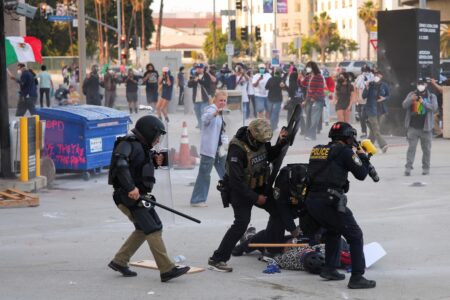
Immigration raids in Los Angeles target small business owners, sparking widespread fear and disruption. Affected entrepreneurs describe the impact as “worse than COVID,” highlighting deep economic and emotional tolls.
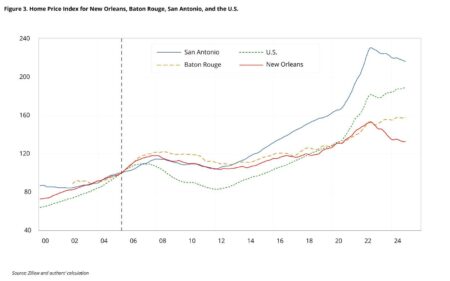
The economic impact of recent Los Angeles fires extends beyond the loss of homes, affecting local businesses, infrastructure, and tourism. Recovery costs may reach billions, highlighting widespread financial repercussions.
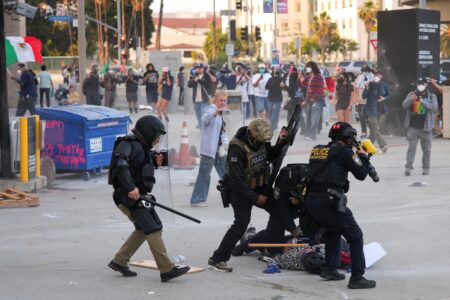
Immigration raids in Los Angeles have targeted small business owners, sparking fear and disruption in the community. Many describe the impact as “worse than COVID,” citing severe economic and emotional tolls.