
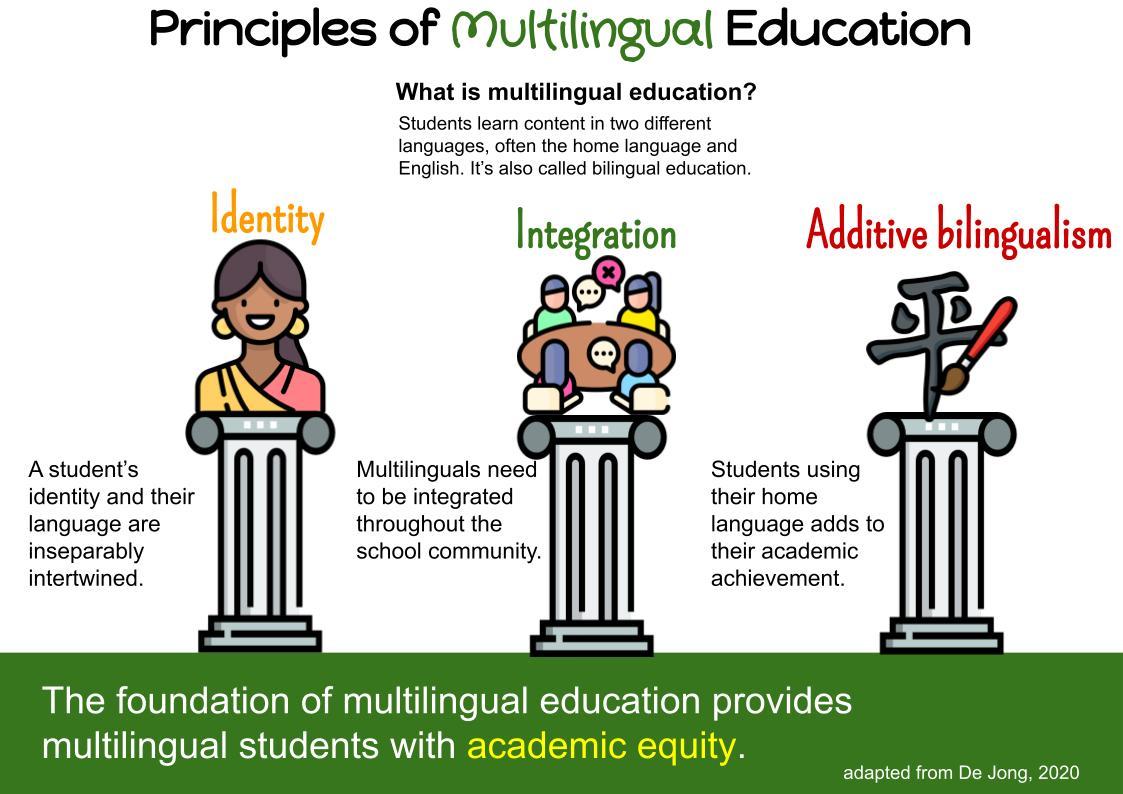
Transforming Perspectives: The Rising Value of Multilingualism in U.S. Education
From Obstacle to Possibility: The New Role of Multilingualism in American Schools
Historically,U.S. educational systems often viewed multilingualism as a challenge, with English-only policies dominating classrooms and sidelining students who spoke multiple languages. However, this mindset is rapidly evolving. Today, educators and policymakers increasingly recognize that bilingual and multilingual skills offer notable cognitive, cultural, and economic benefits. These language abilities enrich classroom dynamics, foster inclusivity, and prepare students to thrive in an interconnected global landscape.
Across the country, schools are adopting innovative approaches to nurture language diversity, including:
- Dual-language immersion programs that promote fluency in English and another language together.
- Curricula that integrate multicultural perspectives to honour and utilize students’ linguistic heritages.
- Professional growth for educators focused on strategies to support linguistically diverse learners effectively.
These initiatives not only dismantle stigma but also enhance academic outcomes and social cohesion, positioning multilingualism as a vital asset for the future workforce.
Overcoming Challenges: Supporting Multilingual Students in U.S. Classrooms
For many years, students who spoke multiple languages faced systemic obstacles that limited their academic success and social integration. These included insufficient access to specialized language support and curricula that failed to recognize the strengths multilingual students bring.Rather than being valued, their language skills were often misinterpreted as deficits, resulting in lowered expectations and fewer advancement opportunities.
Recent reforms aim to reverse these trends by implementing inclusive policies that promote language development alongside academic achievement. Key strategies include:
- Expanding bilingual education programs that affirm students’ cultural identities while boosting language proficiency.
- Providing targeted teacher training to equip educators with tools for culturally responsive instruction.
- Engaging families and communities to build strong support networks for multilingual learners.
Research shows that multilingual students often outperform their monolingual peers in creativity and problem-solving, underscoring the importance of these supportive measures.
| Advantage | Effect on Students |
|---|---|
| Cognitive Agility | Enhanced ability to multitask and adapt |
| Academic Excellence | Improved performance in literacy and mathematics |
| Emotional Intelligence | Heightened empathy and intercultural understanding |
The Cognitive and Cultural Benefits of Multilingual Education
Extensive studies reveal that engaging with multiple languages sharpens executive functions such as creativity, problem-solving, and mental flexibility. Contrary to outdated beliefs that multilingualism complicates learning, navigating different linguistic systems actually enhances brain agility. This mental dexterity not only boosts academic success but also equips students to navigate a world where switching between languages and cultural frameworks is increasingly valuable.
Moreover, multilingualism deepens cultural awareness and empathy. Exposure to diverse languages offers insights into various traditions, histories, and social norms, fostering a broader worldview. The following table highlights key benefits of multilingual education in today’s classrooms:
| Benefit | Explanation |
|---|---|
| Enhanced Communication | Ability to engage meaningfully with diverse communities |
| Stronger Academic Skills | Improved concentration, memory retention, and analytical thinking |
| Career Readiness | Expanded opportunities in international and multicultural job markets |
| Cultural Empathy | Greater respect and understanding of global customs and perspectives |
Advancing Language Diversity: Policy Strategies for Inclusive Education
To cultivate classrooms where linguistic diversity is celebrated and leveraged, educational policies must evolve.Schools should adopt inclusive language frameworks that integrate culturally relevant content, encourage collaborative learning that values students’ language skills, and provide ongoing professional development for teachers to support diverse learners effectively. Recognizing multilingual students as assets transforms educational spaces into vibrant centers of cultural exchange and innovation.
Policy recommendations to bolster language diversity include:
- Investing in bilingual education funding to help students maintain their native languages while mastering English.
- Developing fair assessment tools that accurately measure multilingual students’ abilities without bias.
- Promoting family and community involvement through multilingual outreach and engagement programs.
- Integrating technology solutions that provide personalized language learning support and enrichment.
| Policy Focus | Primary Benefit | Example Program |
|---|---|---|
| Bilingual Education | Boosts literacy and cognitive development | Dual-language immersion initiatives |
| Teacher Training | Enhances instructional effectiveness | Culturally responsive teaching workshops |
| Assessment Reform | Ensures equitable evaluation of language skills | Accommodations for multilingual standardized testing |
| Community Engagement | Strengthens family-school collaboration | Multilingual parent involvement events |
Conclusion: Embracing Linguistic Diversity as a National Strength
In a country defined by its cultural mosaic, the growing embrace of multilingualism within education signals a profound shift. Far from being a hindrance, multilingual skills empower students with essential tools for success in a global economy and foster deeper intercultural understanding. As the United States continues to invest in and celebrate language diversity, it not only enriches individual learners but also fortifies the nation’s social fabric and competitive edge. Recognizing multilingualism as a valuable asset paves the way for a more inclusive and dynamic educational future.