A Century Under the Stars: The Hollywood Bowl at 100
Marking 100 years since its debut in 1922, the Hollywood Bowl remains one of Los Angeles’ most beloved outdoor stages. More than a concert site, it has become a living archive of the city’s musical evolution – a place where intimate family traditions meet landmark cultural moments. As the amphitheater celebrates its centennial, Angelenos and visitors alike recall nights of soaring symphonies, boundary-pushing pop performances, and quiet personal milestones made memorable beneath its lights.
From Neighborhood Amphitheater to Cultural Hearth
Perched in the Hollywood Hills, the Hollywood Bowl evolved quickly from a modest outdoor stage into an emblem of Los Angeles’ creative energy. Over the decades the venue broadened its offerings to include classical symphonies, jazz, rock, film-score concerts, world music, and multimedia events – reflecting the city’s shifting tastes and multicultural character. Its outdoor setting and communal atmosphere have helped turn performances into social rituals: generations gathering on the lawn with picnic baskets, blankets, and stories to trade.
- Opening year: 1922 – the Bowl began hosting the Los Angeles Philharmonic and other ensembles soon after its inauguration.
- Capacity: roughly 17,500 seats (including the historic lawn), drawing hundreds of thousands of attendees each summer season.
- Programming: a wide-ranging roster that pairs traditional repertoire with contemporary headliners, film-score concerts, and community-driven festivals.
Performances That Shaped the Bowl’s Story
Across a century, certain nights at the Hollywood Bowl became cultural touchstones – concerts that reverberated beyond the hill and into the city’s collective memory. While the venue has showcased countless artists, a few examples illustrate its breadth:
- Early decades: symphonic programs helped cement the Bowl’s reputation as a premier destination for orchestral music on the West Coast.
- 1960s rock era: energetic live shows captured the spirit of youth culture and expanded the Bowl’s audience into new demographics.
- Late 20th century to today: film-score concerts, genre-spanning festivals, and contemporary pop and electronic acts demonstrate the Bowl’s adaptive programming.
Legendary performers – from jazz icons and classical maestros to chart-topping acts – have all left their mark. Where earlier seasons might have been defined by the Los Angeles Philharmonic’s summer residency, later years saw headline tours, immersive multimedia productions, and collaborations that blended film, technology, and live music.
Design, Renovation, and the Sound of the Bowl
The Hollywood Bowl’s visual profile – its swooping shell framing the stage – is inseparable from its reputation for exceptional outdoor sound. Architect Lloyd Wright introduced a shell design in 1929 that emphasized concentric geometry to project and focus sound. Since then, the structure has been refined through periodic renovations to preserve historic character while integrating modern sound reinforcement and audience comforts.
Key architectural and acoustic features include:
- Layered shell elements that help direct and shape sound toward the audience.
- The natural slope of the site, which reduces unwanted reverberation and supports clear sightlines.
- Careful material choices and discreetly installed amplification systems that enhance fidelity without overwhelming the amphitheater’s open-air feel.
Audio engineers often note that successful outdoor acoustics are the product of both built form and landscape: the Hollywood Bowl’s combination of shell geometry and hillside seating produces an immediacy that few comparable venues can match.
Community, Education, and Passing the Torch
Beyond headline concerts, the Hollywood Bowl has played a visible role in music education and community outreach. Local initiatives connected to the Los Angeles Philharmonic – including youth orchestral programs inspired by El Sistema – have used the Bowl and associated facilities as platforms for nurturing talent and providing access to music for young Angelenos.
Community engagement has also taken the form of year-round events, family matinees, and special performances designed to reflect Los Angeles’ diverse cultural fabric. These programs have helped ensure that the Bowl remains not only a destination for ticketed events but a resource for arts participation across the region.
How to Experience the Hollywood Bowl Like a Local
Want a Bowl night that feels authentically Angeleno? Here are practical tips to make the most of the experience:
- Arrive early to claim a good lawn spot – many regulars treat the evening like a picnic party, complete with blankets and shared snacks.
- Dress in layers; even warm Los Angeles days can turn cool after sunset.
- Transportation: parking fills fast. Consider rideshare, park-and-ride shuttles, or public transit (the Metro Red Line + Bowl shuttles are popular options) to avoid congestion and enjoy a stress-free arrival.
- Explore concessions and food vendors – the Bowl’s offerings often include local favorites and seasonal specials that reflect L.A.’s food culture.
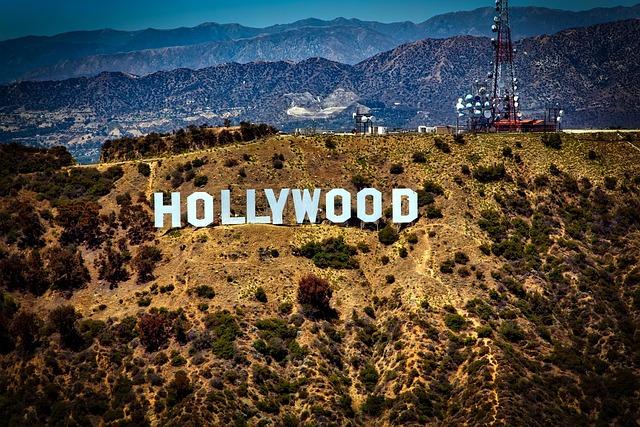
- Look for pre-show traditions: lawn sing-alongs, sunset views of the Hollywood sign, and informal gatherings contribute to the communal vibe.
Memories That Keep the Bowl Alive
The Bowl’s centennial is as much about personal stories as it is about famous performances. First dates, family reunions, graduations celebrated under the night sky – these small moments accumulate into the venue’s enduring appeal. In recent years, audiences continue to create new memories while longtime patrons pass their traditions on to younger generations.
As the Hollywood Bowl moves into its second century, its role as a gathering place for music, culture, and community seems secure: a stage that honors its past while remaining open to creative reinvention.
Share Your Night Under the Bowl
Have a favorite Hollywood Bowl memory? Whether it was a transformative concert, a quiet evening watching the lights, or a multi-generational tradition, every story contributes to the Bowl’s living history. Share your recollections and photos to help celebrate the venue’s past and inspire the next hundred years of performances beneath the stars.