


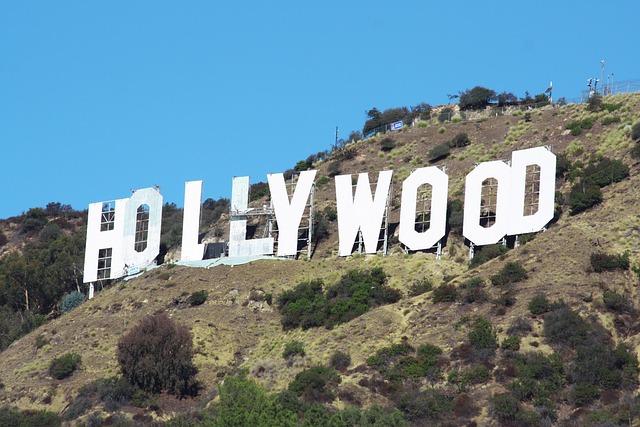
Los Angeles Readies for the 2026 FIFA Men’s World Cup: A City Transformed for Global Soccer
Los Angeles is preparing to welcome the world as one of the primary host cities for the 2026 FIFA Men’s World Cup, the first tournament staged across the United States, Canada and Mexico. With iconic venues, a multicultural fanbase and coordinated citywide upgrades, Los Angeles aims to deliver an unforgettable experience for players and supporters alike. This preview examines how the city is upgrading stadiums and transit, mobilizing local businesses, and prioritizing fan safety as it readies for the global spectacle.
From Neighborhoods to National Stage: What LA Is Doing Now
Across Los Angeles, neighborhoods are already reflecting World Cup momentum. Public art projects celebrating participating nations are cropping up, community soccer clinics are inspiring young athletes, and temporary fan zones are planned in central hubs such as LA Live and Grand Park. City agencies and private partners are coordinating to ensure venues, hospitality providers and merchants can handle the arrival of international visitors.
- Pop-up fan activations in high-footfall districts.
- Partnerships with local artists to produce murals and cultural installations.
- Youth outreach programs led by former pros and MLS coaches to boost grassroots participation.
- Expanded volunteer networks to support crowd operations and fan services.
Venues Renovated and Reimagined
Los Angeles’ stadiums will be central to the matchday spectacle. SoFi Stadium and the Rose Bowl—both globally recognized venues—along with Banc of California Stadium, are undergoing or have completed targeted upgrades to meet FIFA standards and elevate the fan experience.
| Venue | Capacity | Current Upgrade Status |
|---|---|---|
| SoFi Stadium | 70,000+ | Renovations complete; enhanced broadcast and fan facilities |
| Rose Bowl | 92,000 | Major retrofit finalized with improved ingress/egress pathways |
| Banc of California Stadium | 22,000 | Facility upgrades planned and phased to minimize disruption |
Improvements include upgraded scoreboards and broadcast infrastructure, better seating ergonomics, expanded hospitality suites, and enhanced accessibility features. These enhancements are designed to streamline the matchday flow from arrival to exit while delivering high-quality televised coverage for global audiences.
Upgrading Mobility: Transit, Traffic and the Fan Journey
Managing the movement of fans to and from matches is a core focus. Los Angeles has expanded public transit schedules, introduced new shuttle routes linking major hotels and fan zones to stadiums, and deployed smart traffic-control systems aimed at smoothing peak flows.
- Longer Metro service hours and increased train frequency for match windows.
- Dedicated shuttle fleets connecting central districts and transit hubs with venues.
- Ride-share staging areas and temporary curbside management to prevent local congestion.
- Real-time wayfinding and traffic alerts via official apps and digital signage.
| Transportation Mode | Peak Capacity (estimated) | Typical Peak Operation Window |
|---|---|---|
| Metro Rail | 45,000 fans/hour | 4 PM – 11 PM |
| Shuttle Services | 12,000 fans/hour | 3 PM – 12 AM |
| Rideshare Staging | 9,500 fans/hour | 5 PM – 1 AM |
Contactless ticketing, integrated transit-and-ticket bundles, and multilingual digital wayfinding are being rolled out to reduce queues and make navigation easier for international visitors. Pedestrian improvements around stadium precincts—wider sidewalks, clearer signage and upgraded lighting—aim to create a safer, more walkable matchday environment.
Economic Upside: Jobs, Hotels and Local Commerce
The 2026 FIFA Men’s World Cup is expected to generate a substantial economic lift for Los Angeles’ economy. Updated projections from local economists suggest direct visitor spending could fall between $800 million and $1.2 billion in the region, with broader multipliers supporting thousands of temporary and permanent jobs across hospitality, retail and event services.
- Hotels expanding inventory and offering multilingual concierge services to meet international tastes.
- Restaurants and food trucks creating tournament-themed menus and fan-focused promotions.
- Retailers curating official merchandise alongside local artisan goods for diverse fan markets.
- Tour operators packaging match-day plus city-experience itineraries to extend stays.
| Sector | Estimated Direct Impact | Potential Job Impact |
|---|---|---|
| Hospitality | $350M – $450M | 4,000 – 6,000 |
| Retail & Merchandise | $180M – $220M | 2,000 – 3,000 |
| Transport & Logistics | $120M – $160M | 1,500 – 2,500 |
| Entertainment & Dining | $200M – $300M | 2,500 – 4,000 |
Small businesses are setting up fan-forward offerings—from pop-up viewing parties to culturally themed festivals—positioning Los Angeles as both a match destination and a cultural playground for visiting fans.
Fan Safety: Security, Medical Readiness and Crowd Management
Prioritizing fan safety, organizers have developed layered security plans that combine visible personnel, advanced surveillance, accredited medical teams and community liaisons. Emergency procedures will be widely communicated in multiple languages and amplified through official channels ahead of each match.
- Coordinated security checkpoints and bag-screening procedures tailored for speed and safety.
- Strategically positioned medical tents and rapid-response teams at venue perimeters.
- Dedicated accessibility services and family-friendly zones to support diverse groups.
- Volunteer ambassadors to assist with directions, translations and safe crowd movement.
Planners are also deploying crowd-simulation tools to anticipate pinch points and test ingress/egress plans under different scenarios, reducing the likelihood of bottlenecks and improving response times in the event of an incident.
Practical Tips for Visitors
Fans traveling to Los Angeles for the 2026 FIFA Men’s World Cup should consider the following:
- Purchase official transit-and-ticket bundles where available to simplify travel.
- Use official apps for real-time updates on gates, shuttle arrivals and safety advisories.
- Plan extra time for security screening and pedestrian movement near major venues.
- Take advantage of fan zones and cultural events to experience local hospitality beyond match time.
Final Reflections
As kickoff approaches, Los Angeles is blending infrastructure investments, cultural programming and robust safety protocols to host a memorable chapter of the 2026 FIFA Men’s World Cup. The city’s preparations aim not only to manage an influx of visitors but to showcase Los Angeles as a dynamic global sports and cultural capital. With stadiums readied, transit systems scaled and businesses mobilized, the city is set to welcome the world and leave a lasting legacy for soccer in the region.