Inside LuckyChap Entertainment’s New Headquarters: A Fresh Take on the Modern Office
Margot Robbie’s production company, LuckyChap Entertainment, has opened a thoughtfully reimagined headquarters that blends the intimacy of a creative studio with the functionality of a high-performance office. Rather than a cold corporate bunker, the new space reads more like an artisan loft—warm, flexible, and intentionally designed to support the way storytellers actually work: collaboratively, intermittently solitary, and often inspired by the surroundings.
A Design Philosophy Rooted in Comfort and Purpose
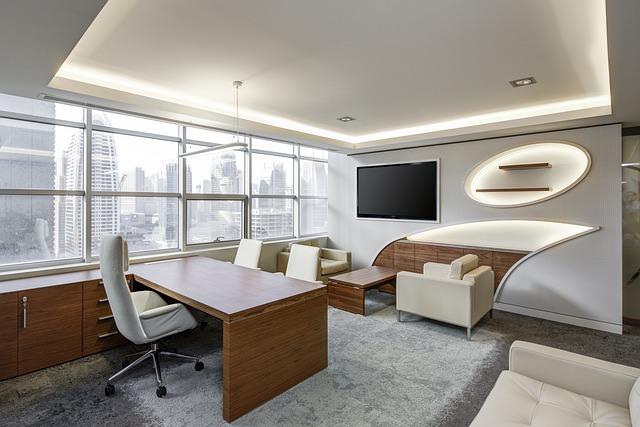
Robbie’s involvement went far beyond a passing approval; the aesthetic and practical choices reflect a deliberate attempt to humanize the workplace. Materials such as repurposed timber, woven fabrics, and tactile rugs replace sterile finishes, while custom joinery and ergonomic seating ensure that form follows function. The layout favors open sightlines interrupted by intimate corners—so teams can gather quickly for a pitch or retreat for uninterrupted drafting.
- Biophilic design elements: abundant plantings and living walls to foster calm and cleaner air
- Flexible zones: settings that switch between a workshop, screening room, and casual lounge
- Cultural touches: artwork and memorabilia that narrate the company’s creative journey
How the Space Encourages Collaboration and Focus
The new LuckyChap office deliberately negotiates the tension between collaboration and concentration. Large communal tables and modular seating encourage spontaneous brainstorming, while discrete acoustic booths and smaller alcoves provide solitude when deep work is necessary. Natural light is prioritized throughout, and soft finishes reduce visual strain and promote a slower, more considered pace—helpful for long creative sessions.
Integrated technology supports this flow: high-resolution presentation screens, seamless wireless connectivity, and distributed charging points mean the technical setup fades into the background so conversations and creativity can take center stage.
- Private acoustic pods for casting calls, review sessions, or concentrated edits
- Convertible social areas that transform from a relaxed lounge to a presentation space in minutes
- Sustainable finishes and low-VOC paints that align with eco-conscious production values
Personalization: Turning an Office into a Collective Living Room
Rather than generic branding, LuckyChap’s walls tell stories. Curated film posters, handpicked sculptures, and employee-contributed photographs make the space feel like a shared home rather than a rental. These personal touches are designed to reinforce team identity and make long days feel less transactional and more meaningful—similar to how a beloved neighborhood café becomes a creative habitat for local artists.
Practical amenities mirror this philosophy: soft lounges for informal reviews, adjustable workstations for different body types and tasks, and abundant glazing that visually connects indoor spaces to the city beyond—bringing a sense of openness and context to daily routines.
Why This Approach Matters: Trends and Outcomes
Workplace research consistently shows that environments combining comfort, adaptability, and access to nature support creativity and well-being. Industry surveys suggest many creative professionals now prefer hybrid, flexible workplaces that evoke a residential scale—about two-thirds indicate they thrive in settings that balance communal energy with private retreats. Organizations that invest in such thoughtful design frequently report stronger collaboration, lower turnover, and improved morale.
LuckyChap’s strategy aligns with these findings: by blending hospitality-class comforts with production-grade infrastructure, the office becomes a competitive asset for attracting talent and enabling the fast, iterative work needed in film and television development.
Practical Design Lessons from LuckyChap’s Build
Designers and managers looking to replicate LuckyChap’s success should prioritize adaptability and occupant-centered choices over trend-driven flourishes. Key takeaways include:
- Design for multiple modes of work—social, focused, and presentation—within a compact footprint.
- Use natural and reclaimed materials to add character while reducing environmental impact.
- Invest in acoustic solutions early; privacy is as important as openness.
- Encourage personal curation—employee-driven décor fosters belonging and helps preserve company culture.
Looking Forward: A Headquarters Built for Creative Momentum
LuckyChap Entertainment’s new headquarters demonstrates how an office can be both a practical engine for production and a nurturing setting that amplifies creative confidence. By merging biophilic principles, smart technology, and curated personal elements, Margot Robbie and her team have crafted a headquarters that feels less like a place you work and more like a studio where ideas are invited to grow.
As the entertainment industry continues to evolve—embracing hybrid workflows and heightened expectations for workplace experience—LuckyChap’s space serves as a timely example of how design can help a creative company remain resilient, connected, and inspired.