


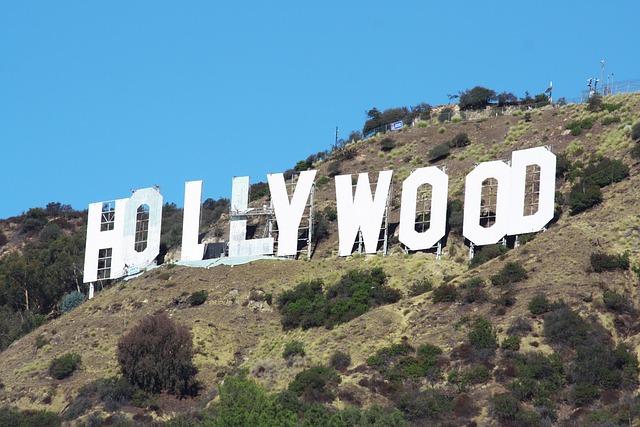
As Los Angeles prepares to host the 2028 Los Angeles Olympics, anticipation is mounting for an edition that organizers promise will be both the largest and most forward-looking in modern Olympic history. With an emphasis on environmental stewardship, cutting-edge technology, and community-focused legacy projects, the 2028 Olympics aim to honor Olympic tradition while demonstrating how large-scale sporting events can adapt to 21st-century priorities.
A Greener Games: Ambitious Environmental Commitments
Planners for the 2028 Olympics have embedded sustainability into the event’s core strategy, seeking to dramatically cut the Games’ ecological footprint compared with past editions. Central pledges include powering venues with renewable energy, dramatically reducing single-use plastics, and diverting the vast majority of waste from landfills through comprehensive recycling and composting systems. These efforts are paired with water-conservation measures and the use of locally sourced, low-carbon materials for temporary structures.
- Renewable energy targets: Organizers plan for venues and operations to run on 100% clean energy where feasible, including on-site solar arrays and contracted wind and battery storage.
- No single-use plastics: Refillable cups, reusable credentialing, and supplier requirements aim to eliminate disposable plastics at official sites.
- Advanced waste diversion: Expanded composting and sorting centers designed to keep food and recyclable materials out of landfills.
- Water stewardship: Greywater recycling and drought-resistant landscaping to reduce freshwater demand in a region prone to water stress.
Social sustainability is treated as equally important: workforce development programs, accessible venue design, and community benefit agreements are built into planning to help ensure local neighborhoods share in both short- and long-term gains.
| Metric | LA28 Goal | Previous Leading Figure |
|---|---|---|
| Renewable energy for Games operations | 100% (targeted) | ~85% (Tokyo 2020) |
| Waste diversion rate | ~95% (targeted) | ~80% (London 2012) |
| Zero-emission official transport | 100% (for athlete/staff fleets) | ~70% (Beijing 2008, retrofitted initiatives) |
| Local hires through legacy programs | 15,000+ trainees projected | 7,500 (Rio 2016) |
Smart Infrastructure and Tech-Driven Spectator Experiences
The 2028 Los Angeles Olympics are slated to showcase a next-generation approach to venues and fan engagement. Investments in connectivity, data-driven operations, and venue automation are being positioned to improve athlete performance, streamline logistics, and create richer experiences for spectators both in stadiums and at home.
What fans and athletes can expect
- High-bandwidth connectivity: Widespread 5G and edge-computing deployments to support instant replays, multi-angle streams, and interactive overlays for fans’ devices.
- AI for operations: Machine-learning systems forecast crowd flows, optimize staffing, and manage queues to reduce bottlenecks at entry points.
- Immersive AR and mixed-reality: Augmented reality features within official apps will layer stats and athlete histories onto live action for a stadium-level second screen.
- Wearable health monitoring: Non-invasive biometric tools to help medical teams monitor athlete recovery and prevent heat-related incidents in real time.
- Smart energy and microgrids: Dynamic energy management minimizes consumption during off-peak windows while prioritizing renewable sources.
| Technology | Primary Benefit | Example Outcome |
|---|---|---|
| 5G + edge compute | Low-latency streaming | Multi-angle replays and spectator AR overlays |
| AI crowd management | Smarter staffing & routing | Shorter entry times and safer egress |
| Smart mobility hubs | Seamless transfers | Faster, lower-emission attendee travel |
Economic and Community Impacts Beyond the Medals
The LA28 build-up is expected to stimulate significant economic activity across the region. Organizers and independent analysts have offered a range of estimates, with many pointing to a multibillion-dollar boost in tourism, construction, and service-sector revenues. Importantly, planning emphasizes legacy: new transit improvements, upgraded community facilities, and workforce development programs aim to leave a durable benefit for Angelenos.
Current projections (as of mid-2026) from planning documents and economic studies suggest:
- Economic stimulus: Organizers estimate a total economic impact in the low- to mid-double-digit billions of dollars range, factoring in visitor spending, investments, and longer-term gains from infrastructure.
- Jobs and training: A combination of temporary event roles and long-term positions tied to construction, hospitality, and legacy projects could support tens of thousands of workers; targeted apprenticeship and upskilling programs aim to direct many of those opportunities to local residents.
- Small business support: Supplier diversity initiatives and local procurement commitments are intended to channel revenue to neighborhoods across Los Angeles County.
| Sector | Projected Jobs (estimate) | Estimated Economic Contribution |
|---|---|---|
| Construction & development | 25,000+ | $3.5B+ |
| Hospitality & tourism | 15,000+ | $4.0B+ |
| Transportation & services | 10,000+ | $1.5B+ |
Beyond headline figures, the Games’ social investments — from community hubs to improved public transit — are being marketed as the real legacy, intended to improve daily life for residents long after the medals have been awarded.
Venues, Events and Best Ways to Experience LA28
Los Angeles is planning a geographically diverse Games that highlights its iconic sites, beach culture, and storied sports arenas. A mix of newly constructed facilities and refurbished landmarks will host competitions ranging from traditional athletics to contemporary urban sports.
Notable venues to watch
- SoFi Stadium: A centerpiece for large-capacity events including the opening ceremony and major team sports.
- Los Angeles Memorial Coliseum: Historic setting for track & field and signature Olympic moments.
- Venice Beach and nearby plazas: Beach-front stages for skateboarding, surfing-related events, and urban sports festivals.
- Rose Bowl & Pasadena sites: Hosts for select field sports and fan festivals.
- Long Beach Arena and aquatic centers: Indoor competitions such as gymnastics, volleyball, and swimming.
How to catch the action — tips for fans
- Use official apps for real-time maps, transit updates, and seat upgrades; AR features can enhance in-venue viewing.
- Plan arrival and departure around major events — staggered session times and AI-driven crowd control should help, but popular finals will still draw heavy volumes.
- Explore neighborhood watch parties and sanctioned viewing plazas for an affordable, communal atmosphere if tickets are limited.
- For beach and outdoor events, prepare for variable weather and strong sun — shade and hydration stations will be plentiful at official sites.
| Sport | Venue | Viewing Tip |
|---|---|---|
| Surfing | Venice/SoCal beaches | Monitor tide and swell forecasts; arrive early for best beach vantage points |
| Swimming | LA Aquatics Center | Evening finals draw the biggest crowds—book transit accordingly |
| Soccer | SoFi Stadium | Expect large fan zones and extended entry windows—plan for tailgate-style viewing outside |
| Skateboarding | Venice Skate Plaza | Bring a portable seat or blanket for comfort; local vendors add a festival vibe |
Accessibility, Community Initiatives, and Legacy Programs
Accessibility and inclusion are cornerstones of LA28’s public commitments. Venue designs incorporate universal-access principles, while ticketing policies include provisions for people with disabilities and community organizations. Training pipelines aim to put residents into skilled trades and venue operations, and planners are negotiating community benefit agreements to protect housing and small businesses in neighborhoods hosting major sites.
Examples of community-focused initiatives include:
- Apprenticeship programs targeting construction and green-technology jobs.
- Partnerships with local nonprofits to provide subsidized tickets and transport for underserved communities.
- Adaptive-sport showcases and accessible fan zones to ensure participation for people of all abilities.
Looking Ahead to 2028
With less than three years to go, the 2028 Los Angeles Olympics are shaping up to be a blend of spectacle and pragmatism: large-scale competition staged with an eye toward sustainability, technology-driven convenience, and community benefit. While final outcomes will depend on delivery and ongoing stewardship, the current direction suggests a Games that seeks to set new precedents for environmental responsibility, digital engagement, and local legacy.
Follow official LA28 communications and local updates for confirmed schedules, ticketing windows, and volunteer opportunities as the city moves from planning into full event operations.


