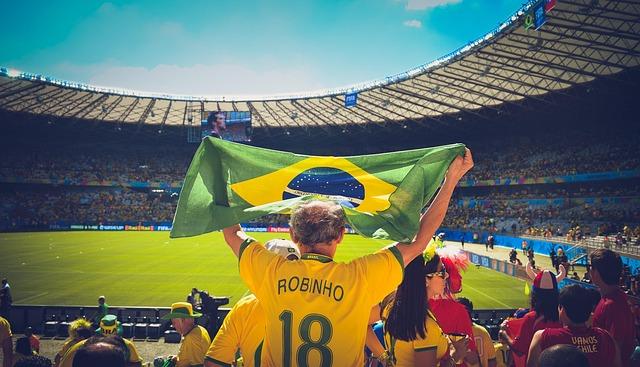
How the 2026 FIFA World Cup Is Rekindling Community and Ambition Across America
The 2026 FIFA World Cup is doing more than delivering thrilling matches on U.S. soil — it’s sparking renewed community connections, inspiring the next generation of athletes, and offering a rare moment of shared purpose in an often polarized country. This piece examines how the tournament’s reach extends beyond stadiums and into neighborhoods, classrooms, and media narratives across the United States.
A Shared Experience in a Fragmented Moment
At a time when political and social fault lines run deep, the World Cup has provided many Americans with a common language. City squares, neighborhood parks, local bars and living rooms have become spontaneous gathering places, where strangers trade jerseys and stories as easily as they trade high-fives. The spectacle of international soccer on home turf has shifted casual curiosity into collective celebration.
Where unity shows up
- Neighborhood viewing nights that bring together multi-generational groups.
- Cultural exchange at fan plazas where cuisine, music and chants from around the world mingle.
- Personal narratives of players from diverse backgrounds that resonate with families across the country.
On-the-ground participation: a snapshot
Fan organizers and municipal partners in several host cities have recorded strong turnout at organized viewing events, suggesting the tournament’s power to mobilize communities:
| City/State | Organized Viewing Events | Approx. Attendees |
|---|---|---|
| Los Angeles, CA | 150+ | 35,000+ |
| Dallas, TX | 80+ | 22,000+ |
| New York City, NY | 130+ | 40,000+ |
These numbers are early indicators, but they reflect a pattern: when the World Cup arrives, public spaces fill and people rediscover the social glue of shared sporting moments.
Soccer’s Growing Role in Shaping Young Athletes
For many youngsters, soccer is no longer a niche pastime — it’s a visible pathway to teamwork, discipline and possibility. Seeing players from varied national and cultural backgrounds on the world stage gives children concrete role models whose journeys mirror their own realities. Soccer’s low barrier to entry — a ball and a patch of grass — makes it especially accessible to diverse communities.
Impact on youth development
| Focus Area | How Soccer Helps | Real-World Signal |
|---|---|---|
| Access and Inclusion | Welcomes participants regardless of background | Community clubs reporting double-digit registration growth after World Cup fixtures |
| Character Building | Encourages teamwork, resilience and leadership | Coaches noting improved retention and responsibility among youth players |
| Health and Activity | Promotes regular movement and fitness | Schools integrating more soccer-based conditioning into PE |
| Opportunities | Links to scholarships and structured pathways | Local scholarship programs expanding to support talented, low-income athletes |
These shifts suggest soccer is becoming a durable pipeline of athletic and personal development rather than a temporary craze tied only to a major tournament.
From Tournament Hype to Lasting Youth Sports Programs
The excitement generated by the World Cup presents a strategic window for communities and organizations to convert short-term interest into long-term gains. Local leaders can use this momentum to strengthen youth sports infrastructure and ensure opportunities are equitable and sustainable.
Priority actions for lasting impact
- Expand affordable access: Subsidized registration fees, equipment libraries, and open-play hours make programs reachable for families with limited means.
- Invest in coaching: Training and certification for volunteer coaches builds quality programming and safer environments for kids.
- School and club partnerships: Coordinate school teams with community clubs to create coherent development pathways and avoid duplication.
- Local business support: Encourage sponsorships and in-kind donations from companies that want to invest in community well-being.
Proposed milestones (example timeline)
| Initiative | Goal | Timeline |
|---|---|---|
| Pop-up neighborhood clinics | Introduce soccer to underserved areas | 3–4 months |
| Coaching certification drives | Raise program quality and safety | 6–9 months |
| Sponsorship campaigns | Secure funding for fields and gear | 9–12 months |
Turning temporary enthusiasm into institutional support requires coordination among municipalities, schools, nonprofits and private partners — but the payoff is a stronger, more inclusive youth sports ecosystem.
Media, Storytelling and Positive Cultural Connections
Coverage of the World Cup has been more than play-by-play: it’s a platform for storytelling that highlights backgrounds, traditions and the human side of competition. Thoughtful reporting and creative content help transform matches into narratives that deepen empathy and cross-cultural understanding across American audiences.
How media deepens cultural ties
- Player documentaries and feature interviews reveal personal histories and community roots.
- Multilingual broadcasts and community-specific coverage widen accessibility and celebrate linguistic diversity.
- Interactive social media initiatives create spaces for fans to share culture, recipes, chants and memories.
| Media Element | Contribution to Positive Cultural Connections |
|---|---|
| Documentaries and profiles | Personalize athletes and illuminate cultural context |
| Live multilingual coverage | Removes language barriers and invites broader viewership |
| Social engagement campaigns | Foster inclusive fan communities and dialogue |
| Local event reporting | Highlights neighborhood-level enthusiasm and participation |
At its best, media coverage transforms matches into shared cultural moments, helping communities across the United States feel part of a global conversation.
Looking Ahead: Keeping the Momentum Alive
When the final whistle blows and the tournament concludes, the real test will be whether the energy it produces becomes institutionalized. The World Cup’s legacy in America can be measured in new fields, sustained youth enrollment, strengthened local leagues, and expanded media narratives that continue to celebrate diversity.
Examples of promising next steps include municipal investments in multi-use athletic spaces, school districts adopting year-round soccer clinics, and ongoing partnerships between broadcasters and community organizations to spotlight underrepresented neighborhoods. If communities seize these opportunities, the 2026 FIFA World Cup will be remembered not only for its on-field drama but for igniting meaningful, long-term social and athletic growth across the United States.