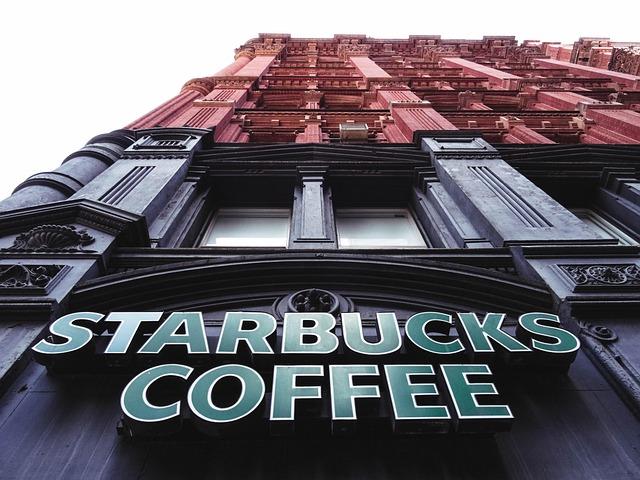
Starbucks Adopts a Refined Growth Strategy in Key Urban Markets
From Ubiquity to Selectivity: Starbucks’ New Urban Expansion Model
Starbucks is redefining its expansion blueprint by stepping back from its previous goal of saturating every major city street corner,particularly in metropolitan hubs like New York City and Los Angeles. This strategic realignment prioritizes enhancing profitability and customer experience over widespread presence. Instead of rapid proliferation, Starbucks is now concentrating on cultivating flagship locations and high-impact stores that offer distinctive, immersive experiences tailored to local tastes and preferences. This evolution in strategy reflects shifting consumer expectations and intensifying competition in some of the nation’s most dynamic urban markets.
Core Components of Starbucks’ Revised Strategy
- Opening stores selectively, focusing on iconic and experiential venues that elevate the brand.
- Investing in upscale store designs and menus inspired by local culture and ingredients.
- Enhancing digital platforms, including mobile ordering and loyalty programs, to deepen customer engagement.
- Closing underperforming outlets to streamline operations and improve overall efficiency.
| City | New Store Openings Planned | Flagship Store Emphasis | Store Closures |
|---|---|---|---|
| New York City | 5 | Yes | 12 |
| Los Angeles | 3 | Yes | 9 |
Managing Urban Market Saturation While Elevating Brand Value
Starbucks’ deliberate deceleration in expanding its footprint within dense urban centers like NYC and LA is a strategic response to market saturation and the need to preserve brand prestige. Rather than pursuing blanket coverage, the company is embracing a more discerning growth model that values exclusivity and quality over quantity. This approach helps prevent internal competition among stores and maintains the distinctiveness of each location, enhancing the overall customer experience.
Industry experts highlight that this measured expansion allows Starbucks to allocate resources toward innovation and community-focused store concepts. Below is a comparative overview of how leading coffee brands approach urban growth and exclusivity:
| Brand | Urban Expansion Style | Primary Focus | Growth Strategy |
|---|---|---|---|
| Starbucks | Measured | Premium Experience & Brand Prestige | Selective Store Launches, Innovative Formats |
| Dunkin’ | Aggressive | Wide Accessibility | High Store Density, Convenience-Oriented |
| Blue Bottle Coffee | Targeted | Artisanal and Community-Centric | Specialty Cafés, Localized Hubs |
- Optimized brand presence: Ensuring each location offers a unique appeal without saturating neighborhoods.
- Enhanced customer connection: Fostering intimate and memorable brand interactions.
- Operational focus: Concentrating investments on flagship and experiential stores for maximum impact.
Effects on Local Businesses and Commercial Real Estate in NYC and LA
Starbucks’ strategic pullback from saturating urban neighborhoods opens new opportunities for independent coffee shops and local cafés to thrive. This reduction in market dominance can stimulate a renaissance of neighborhood-focused businesses, enriching the local retail landscape with diverse and authentic offerings. Such a shift encourages entrepreneurial ventures to capitalize on community identity and distinctiveness, countering the homogenization often associated with large chains.
From a real estate perspective, this transition may influence leasing dynamics and property valuations in prime commercial districts. Spaces once highly sought after due to proximity to Starbucks outlets could see increased availability, attracting a broader variety of tenants.The table below projects potential changes in vacancy rates,rental prices,and business diversity over the coming year based on Starbucks’ planned store closures and openings:
| Neighborhood | Projected Vacancy Rate Change | Rental Price Impact | Effect on Business Diversity |
|---|---|---|---|
| Manhattan (NYC) | +8% | Stable | Significant Increase |
| Brooklyn (NYC) | +5% | Moderate Decrease | Moderate Increase |
| Downtown Los Angeles | +10% | Minor Decrease | Significant Increase |
| Hollywood (LA) | +6% | Stable | Moderate Increase |
This evolving commercial environment may prompt landlords to reconsider lease structures and incentives to attract a wider array of tenants. Additionally, city planners and local governments could leverage this prospect to promote vibrant, culturally rich business districts that better reflect the unique character of their neighborhoods.
Strategic Advice for Competitors considering Starbucks’ New Expansion Tactics
As Starbucks scales back its aggressive urban saturation, rival coffee brands have a prime opportunity to differentiate themselves by embracing hyper-localization and fostering deeper community connections. Rather of competing solely on the number of outlets, competitors should tailor their offerings to reflect the cultural and culinary preferences of specific neighborhoods, creating authentic and memorable experiences that resonate with local customers.
Versatility in store formats and leveraging technology are critical to adapting swiftly to evolving consumer habits.Smaller, adaptable locations combined with advanced digital ordering and loyalty platforms can reduce overhead while enhancing customer convenience and retention. Key strategies to consider include:
- Pop-up cafés and mobile units: Rapidly test new markets and build brand presence with minimal investment.
- Locally sourced ingredients: Support regional producers and offer fresher, unique menu items.
- Community engagement initiatives: Host events and partnerships that reflect neighborhood values and interests.
| Strategy | Advantage | Illustrative Example |
|---|---|---|
| Adaptive Store Formats | Lower real estate expenses | Compact kiosks in busy transit stations |
| Local Product Innovation | Stronger community loyalty | Region-specific coffee blends and pastries |
| Digital Customer Engagement | Higher retention and repeat visits | Mobile app with personalized rewards |
Conclusion: Embracing Sustainable Growth and Enhanced Customer Experience
Starbucks’ decision to moderate its expansion in major metropolitan areas like New York and Los Angeles marks a strategic evolution from rapid saturation to a more sustainable, quality-driven growth model.This shift aligns with broader industry trends where consumer preferences and market conditions demand a focus on meaningful customer experiences and operational efficiency. By prioritizing flagship stores and innovative formats, Starbucks is positioning itself for long-term success that balances profitability with brand prestige. This recalibration also opens the door for local businesses to flourish and for competitors to innovate, ultimately enriching the urban coffee landscape.