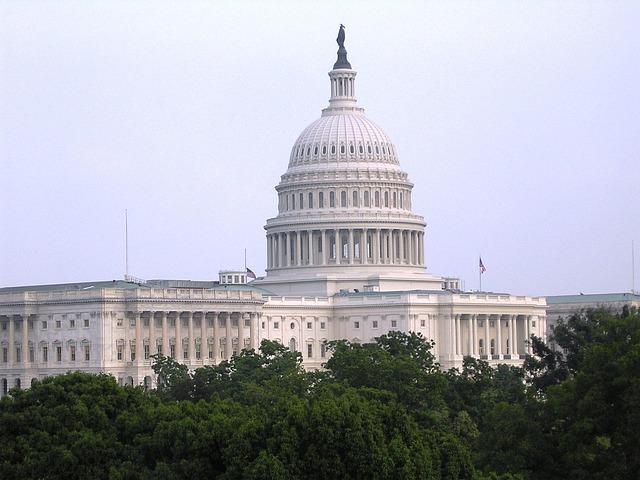
Federal Court Halts Trump-Era National Guard Deployment in California
A federal judge in the United States has issued an immediate injunction preventing the deployment of National Guard troops in California under directives associated with former President Donald Trump. This judicial decision addresses significant legal and procedural issues, notably concerning the use of military forces in state-level operations. It highlights ongoing disputes over the boundaries of executive power and federal intervention in state matters, marking a crucial judicial check on efforts to enhance security measures in California through federally influenced National Guard mobilization.
The court’s ruling centers on several critical concerns:
- Constitutional protections: Ensuring National Guard activities do not infringe upon constitutional rights.
- State autonomy: Preventing compelled state involvement in federal immigration enforcement without explicit legal authority.
- Judicial oversight: Mandating enhanced scrutiny over domestic military deployments to safeguard civil liberties.
| Issue | Judge’s Rationale |
|---|---|
| Federal-State Power Dynamics | States cannot be forced to enforce federal immigration laws |
| National Guard’s Mandate | Restricted to defense and emergency roles, excluding immigration enforcement |
| Legal Precedent | Supports state sovereignty under the Tenth Amendment |
Constitutional Foundations and Broader Consequences of the Ruling
The court’s decision is rooted in a careful interpretation of constitutional limits and statutory authority governing the deployment of state National Guard units under federal command. Central to the judgment was the concern that the National Guard’s engagement in California,as directed,may have exceeded legal boundaries designed to preserve the balance between state sovereignty and federal power. The judge emphasized the importance of separation of powers and cautioned against emergency actions that bypass established safeguards protecting civil rights and state governance.
This ruling carries significant implications across political and military domains, including:
- Reinforcement of checks and balances: Strengthening judicial review over executive decisions involving domestic military forces.
- Clarification of authority: Intensifying debates over whether governors or the federal government hold ultimate control over National Guard mobilization.
- Impact on civil-military relations: Questioning the appropriate role of military assets in politically sensitive domestic operations.
| Legal Issue | Court’s Directive |
|---|---|
| Deployment Authority | Halted unauthorized National Guard activations |
| Protection of Civil Rights | Held federal government accountable for potential rights violations |
| State Sovereignty | Confirmed states’ control over their National Guard unless federally activated |
Effects on Federal-State Collaboration and National Security Operations
This judicial decision challenges the existing framework of cooperation between state and federal governments, possibly reshaping the balance of power in national security efforts. It underscores the friction between state sovereignty and federal oversight, which could complicate the rapid deployment of National Guard units during emergencies. The ruling sets a precedent that federally directed military actions must adhere strictly to state governance structures and legal standards.
Notable impacts include:
- Delays in response: Legal restrictions may slow troop mobilization during critical incidents.
- Ambiguity in command: Unclear jurisdictional boundaries could hinder coordinated operations.
- Heightened legal scrutiny: Federal agencies may face increased challenges when overriding state objections.
| Dimension | State Authority | Federal Authority |
|---|---|---|
| National Guard Control | Predominant during peacetime | Elevated during federal activation |
| Judicial Oversight | State courts | Federal courts |
| Operational Speed | Potentially constrained | Generally expedited |
As national security challenges evolve, this ruling may prompt policymakers and military leaders to revisit protocols that facilitate seamless state-federal collaboration, ensuring constitutional safeguards do not undermine rapid and effective responses.
Proposals for Improving National Guard Mobilization Procedures
Prioritizing transparency and clear communication is essential in reforming National Guard deployment strategies. To prevent misunderstandings and legal disputes, federal and state authorities should develop unified protocols that explicitly define authority limits, command hierarchies, and mission objectives. Public disclosure of these guidelines can enhance accountability and invite community engagement before deployments occur.
Strengthening training focused on legal compliance and civil liberties is equally vital.National Guard personnel must receive comprehensive education on the constitutional boundaries of their domestic roles, emphasizing respect for individual rights. Additionally, investing in modern technology and interoperable communication platforms can improve coordination among agencies, minimizing risks of unauthorized or poorly managed deployments. The following table summarizes key recommendations:
| Area of Focus | Recommended Action |
|---|---|
| Legal Framework | Define clear jurisdictional boundaries and authority limits |
| Communication | Implement standardized public communication protocols |
| Training | Enhance focus on constitutional rights and legal responsibilities |
| Technology | Adopt interoperable communication systems for better coordination |
Conclusion
The federal court’s injunction against former President Trump’s National Guard deployment in California represents a landmark moment in the scrutiny of military involvement in domestic political matters. As legal challenges continue to unfold, this ruling highlights the intricate balance between safeguarding constitutional rights and ensuring effective security operations. Stakeholders will be closely monitoring how this decision influences future state and federal enforcement collaborations. Our coverage will continue to provide timely updates as this story develops.