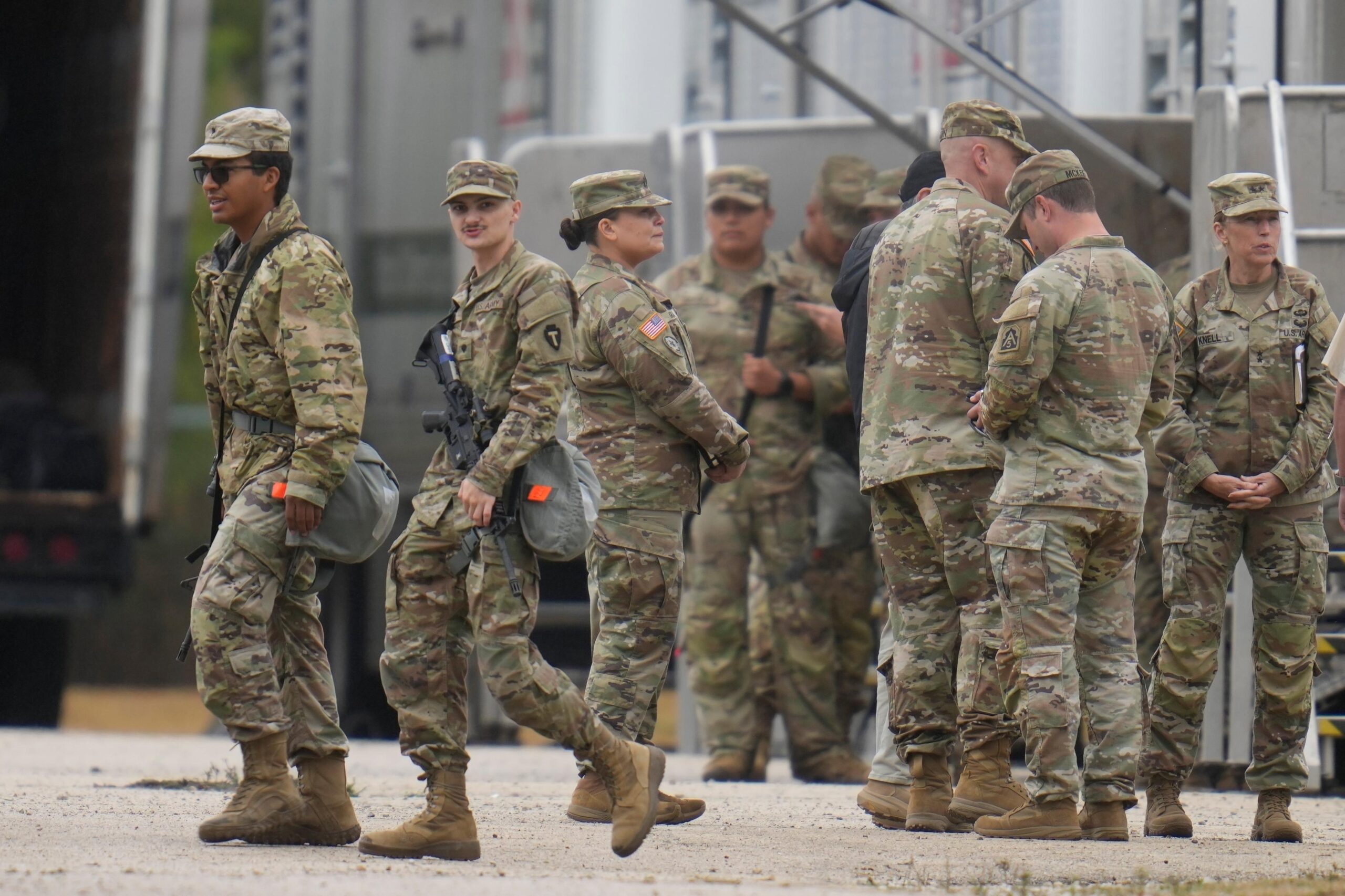
Federal Troop Deployment in Chicago Sparks Controversy Among Illinois Officials
Illinois Leaders Reject Proposal for Military Presence Amid Rising Violence
The recent suggestion by the President to send federal troops to Chicago as a response to escalating violence has met with strong resistance from Illinois political figures. State authorities argue that introducing military forces into the city would fail to tackle the fundamental problems such as economic inequality and systemic social disparities. Instead,they advocate for bolstering community policing efforts and increasing investments in social welfare programs.Governor J.B. Pritzker warned that a military presence might inflame existing tensions and deepen mistrust between residents and law enforcement.
Opposition also comes from local government officials and community representatives who express concerns about the potential infringement on civil liberties. Activists emphasize the importance of preventive measures, including enhanced education, mental health support, and job creation initiatives, rather than relying on a militarized approach.The main arguments presented by critics include:
- Potential for conflict escalation: Militarization could provoke unrest instead of calming it.
- Addressing systemic issues: Prioritizing social programs over enforcement tactics.
- Protection of constitutional rights: Avoiding federal overreach into local governance.
- Maintaining community trust: Encouraging cooperative relationships between police and residents.
Preserving Civil Liberties and Upholding Local Governance
Illinois officials have underscored the importance of safeguarding constitutional freedoms and preserving the autonomy of local authorities in policing matters. Civil rights advocates caution that deploying military personnel domestically risks curtailing fundamental rights such as peaceful protest and free speech, especially given the historical sensitivity surrounding military involvement in civilian affairs. Chicago’s leadership insists that public safety strategies should remain under state and municipal control to prevent federal intrusion that could exacerbate tensions.
- Concerns over civil rights abuses: Risks of excessive force and suppression of lawful demonstrations.
- Challenges to local policymaking: Federal intervention may undermine elected officials’ authority over policing.
- Legal ambiguities: Questions surrounding the Posse Comitatus Act and the legality of military deployment on U.S. soil.
| Area of Concern | Possible Consequences |
|---|---|
| Community Relations | Worsening trust between residents and law enforcement |
| Democratic Principles | Threats to civil liberties and democratic norms |
| Judicial Oversight | Increase in legal disputes and challenges |
| Operational Complexity | Confusion in command between federal and local agencies |
Community Advocates Urge Dialog and Non-Militarized Strategies
In light of the President’s proposal, numerous community leaders and local officials have voiced firm opposition, calling instead for enhanced communication and community-led solutions. Maria Lopez,director of the Chicago Neighborhood Alliance,emphasized,“Progress depends on open dialogue and mutual respect.” Many believe that lasting safety stems from addressing root causes through education, economic growth, and mental health services rather than deploying armed forces.
Community-driven approaches focus on:
- Implementing neighborhood conflict resolution programs to prevent disputes from escalating
- Building stronger partnerships between police, residents, and local organizations
- Creating job opportunities and youth engagement initiatives to reduce crime incentives
- Enhancing transparency and accountability within law enforcement agencies
| Initiative | Anticipated Benefit |
|---|---|
| Community Mediation Centers | Lower incidence of neighborhood conflicts |
| Youth Workforce Development | Decrease in crime linked to unemployment |
| Mental Health Outreach Programs | Address trauma and reduce crisis situations |
| Police-Community Liaison Officers | Strengthen trust and communication channels |
Experts Advocate for Strengthened Federal-State Collaboration
Analysts and law enforcement experts agree that the complexities of Chicago’s recent unrest cannot be resolved through unilateral federal troop deployments. Instead, they recommend a coordinated approach that integrates resources, intelligence, and operational planning between federal and state agencies. This cooperative model would involve joint task forces designed to enhance communication, respond swiftly to threats, and respect local jurisdiction and civil rights.Experts warn that isolated federal actions risk inflaming tensions rather than restoring peace.
Key expert recommendations include:
- Improved intelligence sharing: Creating unified data systems for real-time information exchange among city, state, and federal entities.
- Coordinated community engagement: Partnering with local leaders and organizations to build trust and address underlying causes of violence.
- Joint training initiatives: Standardizing de-escalation and crowd management techniques across agencies to ensure cohesive responses.
| Coordination Element | Current Situation | Suggested Betterment |
|---|---|---|
| Information Sharing | Disjointed and fragmented | Integrated Intelligence Network |
| Command Structure | Autonomous operations | Unified Joint Task Force Command |
| Community Outreach | Limited collaboration | Complete Engagement Programs |
Conclusion: Balancing Federal Authority and Local Solutions
As discussions intensify over the prospect of federal troop deployment in Chicago, Illinois officials remain steadfast in their opposition, advocating for locally driven solutions to the city’s public safety challenges. The President’s remarks have ignited a broader debate about the appropriate role of federal intervention, respect for state sovereignty, and effective strategies for maintaining order. Moving forward, the delicate balance between national oversight and local governance will continue to shape this critical conversation.