


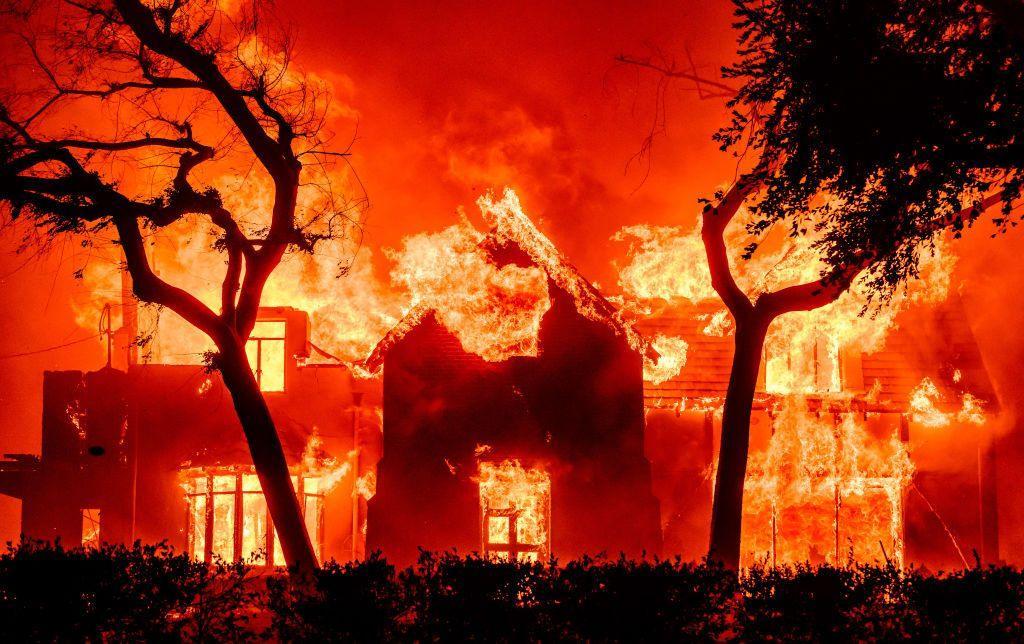
Unveiling the Hidden Human Cost of Los Angeles Wildfires: A Complete Health Impact Analysis
Surge in Mortality Rates Linked to Los Angeles Wildfire Season
Recent research has brought to light a troubling increase in death rates across Los Angeles during the recent wildfire outbreaks. Over 400 excess fatalities were documented during and immediately following the fires, with prolonged exposure to toxic smoke and degraded air quality identified as primary contributors. Particularly affected were vulnerable groups such as seniors and individuals with chronic respiratory illnesses, underscoring the critical need for targeted public health strategies in wildfire-prone regions.
The study’s key insights reveal the multifaceted environmental and health challenges posed by the fires, offering clear directives for policymakers:
- Severe Air Pollution: Concentrations of fine particulate matter (PM2.5) surged well beyond safe thresholds for extended periods.
- Healthcare System Overload: Medical facilities experienced a notable rise in patients suffering from respiratory complications.
- Chronic Health Concerns: Continuous exposure to wildfire smoke may lead to long-lasting health issues beyond immediate mortality.
| Health Impact | Percentage Increase | Most Affected Groups |
|---|---|---|
| Death Rate | +15% | Elderly, COPD sufferers |
| Respiratory Hospitalizations | +25% | All age groups |
| PM2.5 Concentration | +300% | General population |
Long-Term Health Consequences of Wildfire Smoke and Evacuation Stress
Beyond the immediate destruction, health experts warn of enduring repercussions stemming from wildfire smoke inhalation and the upheaval caused by mass evacuations. Elevated levels of hazardous airborne particles have been linked to increased incidences of respiratory and cardiovascular ailments. Vulnerable demographics, including older adults and those with preexisting health conditions, have experienced exacerbated symptoms and complications. These findings highlight the necessity for robust air quality surveillance and comprehensive health support during wildfire crises.
Additionally, the psychological and logistical impacts of evacuations have compounded the public health emergency. Displacement-related stress and interruptions in medical care have intensified health risks, particularly among disadvantaged populations. Key observations include:
- Spike in hospital visits for asthma attacks and cardiac events in the weeks following the fires
- Heightened anxiety and stress disorders among evacuees
- Delayed access to routine and emergency healthcare due to infrastructure challenges
- Increased vulnerability in economically disadvantaged communities with limited healthcare access
| Health Outcome | Increase Observed | Affected Populations |
|---|---|---|
| Respiratory Conditions | 30% | Children and Elderly |
| Cardiovascular Incidents | 25% | Adults aged 45 and above |
| Mental Health Disorders | 40% | Evacuated Individuals |
Disproportionate Health Burdens on Vulnerable Communities
Emerging data reveals that the adverse health effects of wildfires are unevenly distributed, with marginalized populations bearing the brunt of the crisis. Low-income families, elderly residents, and those with chronic illnesses face heightened exposure to toxic smoke and frequently enough lack adequate healthcare access, intensifying the severity of health outcomes during wildfire events.
Several factors contribute to this disparity:
- Geographic Vulnerability: Many disadvantaged neighborhoods are situated near wildfire-prone zones, increasing direct exposure risks.
- Substandard Housing Conditions: Poor ventilation and absence of air purification systems hinder protection against smoke infiltration.
- Overstretched Emergency Services: Limited healthcare and firefighting resources delay critical response efforts.
- Preexisting Medical Conditions: Chronic diseases amplify susceptibility to smoke-related health complications.
| Demographic Group | Estimated Excess Deaths | Healthcare Accessibility |
|---|---|---|
| Low-income Communities | 250+ | Limited |
| Senior Citizens | 100+ | Moderate |
| Rural Populations | 50+ | Minimal |
Urgent Calls for Enhanced Emergency Preparedness and Air Quality Policies
Considering these findings, experts are advocating for strengthened emergency response frameworks in Los Angeles to better manage wildfire crises. This includes improved inter-agency coordination, increased funding for rapid response teams, and the progress of community-specific alert systems that effectively reach high-risk groups such as the elderly and those with respiratory vulnerabilities.
Concurrently, environmental advocates urge policymakers to adopt stricter air quality regulations aimed at reducing the health hazards posed by wildfire smoke. Proposed initiatives encompass expanding urban green spaces to serve as natural air filters, investing in renewable energy to lower overall pollution, and enforcing tighter controls on industrial emissions that worsen air quality during fire seasons. The table below summarizes key policy proposals currently under consideration:
| Policy Proposal | Primary Objective | Current Status |
|---|---|---|
| Community Early Warning Systems | Enhance Emergency Communication | Under Evaluation |
| Expansion of Urban Tree Canopy | Improve Air Quality | Scheduled for 2025 |
| Regulation of Industrial Emissions | Reduce Pollution Levels | Pending Legislative Approval |
Conclusion: Addressing the Silent Crisis of Wildfire Health Impacts
As Los Angeles continues to recover from the recent wildfire disasters, this comprehensive study highlights the profound and often overlooked human health consequences extending beyond immediate fire-related deaths. The evidence calls for urgent enhancements in public health preparedness and environmental policy to safeguard vulnerable populations from the escalating risks posed by increasingly severe wildfire seasons. With climate change intensifying these events, coordinated efforts between government agencies, healthcare providers, and communities are essential to mitigate the long-term health burdens of wildfire smoke exposure.


