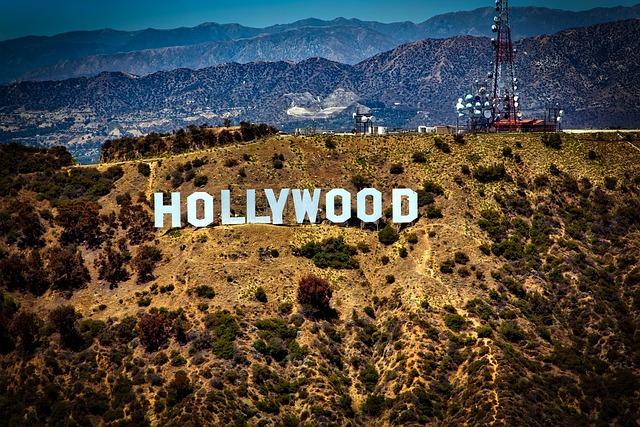
Rebuilding Hollywood: How Los Angeles Is Reinventing Its Film and TV Ecosystem
As the entertainment business undergoes rapid technological and market change, Los Angeles leaders are deploying a mix of policy, investment and community-driven measures to protect the region’s studios, workforce and creative infrastructure. This report surveys current pressures on Hollywood, examines local responses, and outlines practical steps to secure long-term economic and cultural leadership.
Modern Pressures on Hollywood’s Recovery
The traditional Hollywood model is under strain. The proliferation of subscription streaming services and short-form digital platforms has shifted viewing habits away from a purely theatrical economy, while audiences increasingly favor serialized and niche content over tentpole spectacles. At the same time, rising production expenses, complex labor negotiations, and the capital demands of new production technologies are creating headwinds for studios and independent producers alike.
Primary obstacles
- Market saturation: A vast number of titles competing for audience attention cuts through individual title visibility and shortens content lifecycle.
- Technology costs: Adoption of LED-volume stages, virtual production pipelines and advanced post-production tools requires heavy upfront spending.
- Labor dynamics: Talent and crew expectations for pay, benefits and flexible working arrangements have lengthened negotiation cycles and, at times, halted shoots.
- Global competition: Aggressive incentives overseas and content from emergent film centers challenge traditional distribution and cost advantages.
These factors combine to slow project slates, compress mid-level budgets and force studios to rethink risk exposure across release windows and platforms.
How Los Angeles Is Responding
City and industry leaders are experimenting with a range of measures aimed at keeping production local while preparing the region for next-generation content creation. Rather than a single fix, Los Angeles is pursuing coordinated interventions that reduce friction for shoots, expand financing options for smaller projects and modernize physical and digital infrastructure.
Streamlining and incentives
Efforts include faster permitting processes that shorten turnaround for location shoots, and targeted tax incentives designed to make LA competitive with other states and countries. These incentives are being tailored so they benefit small producers as well as large studios, aiming to preserve a diverse production ecosystem.
Capital and partnerships
Public-private partnerships are being set up to unlock investment in soundstages, post-production hubs and media-tech incubators. These collaborations help shift the heavy capital burden off single studios and share risk across municipal entities, private financiers and creative enterprises.
Building Capacity: Workforce, Facilities and New Production Tools
Maintaining Hollywood’s edge requires investments in people and places. That means funding training programs that teach virtual production, color grading, VFX pipelines and AI-assisted workflows, while simultaneously upgrading physical studios and soundstages to support modern shoots.
Workforce development initiatives
- Apprenticeships and certificate programs that connect community colleges, unions and studios to create career pathways in tech-forward production roles.
- Reskilling initiatives for mid-career workers to adapt to remote collaboration tools, cloud-based postproduction and XR environments.
- Diversity-focused recruitment to ensure creative teams reflect audience demographics and global markets.
Facility modernization
Investment priorities include building sustainable soundstages, increasing access to LED volume stages and expanding local post-production capacity so more of the production lifecycle can remain in Los Angeles rather than being outsourced to lower-cost regions.
Example: Virtual production adoption
Studios that have adopted LED-stage workflows report faster turnarounds and creative flexibility, but the technology’s setup and operating costs can be prohibitive for smaller projects without shared facilities or subsidy models. Creating subsidized access or cooperative studio models can democratize these tools for indie filmmakers.
Public-Private Roles and Case Examples
Restoring robust production activity requires both governmental policy and private-sector investment. Municipal authorities can deliver predictable permitting, incentives and workforce funding, while corporations and financiers supply capital, innovation and distribution muscle.
What effective collaboration looks like
- Co-investment in shared facilities so startups and independents can access high-end technology.
- Joint workforce programs with studios underwriting training fellowships in exchange for entry-level hires.
- Marketing partnerships that package Los Angeles as a creative destination to attract out-of-state and international shoots.
Learning from other hubs
Regions such as Atlanta and New Mexico demonstrate how aggressive, tailored incentives and infrastructure investments can catalyze local industry growth. Los Angeles’ challenge is to combine its unmatched talent pool and institutional know-how with more nimble financing and permit practices so it can retain projects that might be tempted elsewhere.
Practical Recommendations for Sustained Growth
To secure Hollywood’s future, stakeholders should pursue a balanced strategy that marries short-term stimulus with long-range modernization.
Priority actions
- Expand targeted incentives: Focus tax credits and rebates on projects that deliver local jobs and use regional facilities, while preventing a race-to-the-bottom on rates.
- Accelerate permitting reform: Create a one-stop digital permitting portal and “fast-lane” approvals for productions that meet sustainability and community guidelines.
- Shared-access facilities: Support co-op studios and subsidized access days for indie filmmakers to democratize expensive technologies like virtual production stages.
- Scale workforce pipelines: Invest in apprenticeships, certificate programs and industry-led bootcamps that teach in-demand skills such as XR, cloud postproduction and AI-assisted editing.
- Strategic public-private funds: Launch seed and growth funds that finance mid-budget films and series, filling a financing gap left by large streamers’ focus on either mega-budget franchises or micro-budget originals.
Expected benefits
Combined, these measures can help maintain Los Angeles’ production volume, expand the local talent pool, and keep more of the production value chain-preparation, shooting, postproduction and VFX-within the region, supporting ancillary businesses from hospitality to equipment rental.
Conclusion: A Strategic Path Forward for Hollywood and Los Angeles
Hollywood’s next chapter will be written at the intersection of policy, technology and people. Los Angeles still possesses unrivaled creative capital and a dense ecosystem of talent and facilities; the imperative now is to modernize the structures around that core so the region can compete globally while nurturing diverse storytellers and catalyzing economic growth. With targeted incentives, smarter permitting, collaborative investment models and robust workforce development, Los Angeles can remain the preeminent engine of film and television production in an increasingly fragmented media landscape.
Stakeholders-government, studios, unions and community organizations-must move in concert to translate these plans into tangible projects that sustain jobs, protect local infrastructure and keep Hollywood producing the content that shapes global culture.