


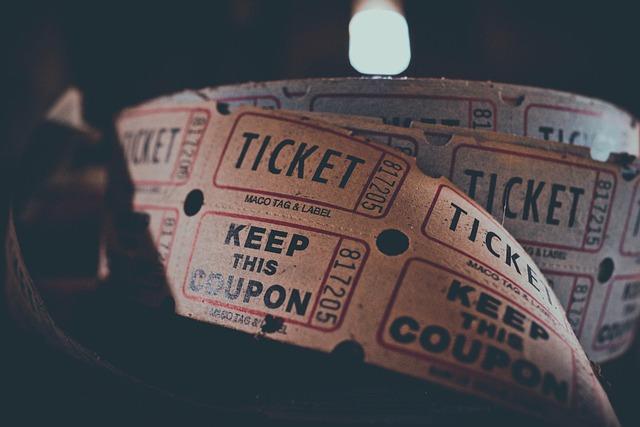
Why World Series Game 1 Ticket Prices Have Climbed into Super Bowl Territory
Tickets for World Series Game 1 have surged to price brackets once largely associated with the Super Bowl, driven by intense demand on resale marketplaces and shifting fan priorities, according to Front Office Sports.
Quick snapshot: how Game 1 stacks up against other marquee events
Recent ticket-tracking shows that average prices for World Series Game 1 now rival major championship events. Below is a comparative overview to illustrate the gap between everyday regular-season pricing and marquee-event premiums.
| Event | Estimated Average Ticket Price | Top-Tier Premiums |
|---|---|---|
| Super Bowl (recent average) | $1,450 | $4,700 |
| World Series Game 1 (current) | $1,250 | $3,400 |
| NBA Finals Game 7 (recent) | $1,100 | $2,900 |
| Stanley Cup Final Game 7 (recent) | $1,000 | $2,500 |
What’s behind the spike in World Series Game 1 ticket prices?
The escalation in World Series Game 1 ticket prices reflects more than a one-off market frenzy. Several converging forces have pushed pricing upward:
- Demand overload vs. finite supply: When two storied franchises meet or an underdog story captures national attention, demand can outpace available seats almost instantly.
- Resale market sophistication: Modern secondary platforms and professional resellers deploy dynamic pricing algorithms and automated purchasing tools that can amplify price swings.
- Premium experience upsells: Packages that bundle hospitality, exclusive club access, or meet-and-greets raise average transaction values.
- Related travel costs: Flights and hotels surge around marquee games, raising the total cost of attendance and putting more pressure on fans’ budgets.
- Macro cost pressures: Broader inflation and rising operating expenses for venues and vendors feed into higher face prices and add-on fees.
To put the impact into perspective, the resale market can push some ticket categories to two or three times their original face value during peak demand windows – a pattern increasingly common across high-profile sports and entertainment events.
How these price changes affect fans and market behavior
For many supporters, the new price environment forces a choice between attending historic live moments and staying within budget. The result is a changing attendee profile at marquee games: wealthier fans and corporate buyers increasingly occupy premium sections while budget-conscious long-time followers either watch at home or turn to bars and public viewing events.
Secondary market mechanics: who benefits?
Secondary platforms and professional resellers have become central players. They capitalize on scarcity and timing – buying early, holding inventory, and releasing supply when demand peaks. Some consequences include:
- Rapid price spikes within hours of ticket releases or key playoff wins.
- Automated buying tools that reduce competition from ordinary fans.
- Higher verified-resale fees and additional handling costs that inflate the final purchase price.
| Seating Tier | Typical Resale Price | Increase vs. Regular Season |
|---|---|---|
| Club Level / Hospitality | $4,500 | +230% |
| Lower Bowl | $3,000 | +170% |
| Upper Deck | $1,150 | +130% |
Industry responses and potential long-term effects
Leagues, teams, and ticket platforms are experimenting with measures to rebalance access and revenue, including verified resale marketplaces tied to original purchasers, dynamic pricing policies that better reflect demand, and loyalty programs that reserve allocations for season-ticket holders. If these approaches scale, they could reduce extreme aftermarket volatility – but they may also cement higher baseline prices as organizations seek to capture more value directly.
Absent effective interventions, the cultural cost is real: fewer young or lower-income fans attending live games risks narrowing the sport’s future fanbase and shifting the in-person atmosphere toward a more corporate or premium-centric experience.
Practical strategies for fans to attend big games without overpaying
Fans who want to attend marquee events like World Series Game 1 can use a combination of timing, platform choice, and flexibility to limit costs:
- Buy early from primary sellers: Face-value presales and team allotments are typically the most budget-friendly option.
- Sign up for team and league alerts: Pre-sale codes or member-only windows often release before public sales.
- Consider non-premium seating or single-game packages: A less central seat can still deliver a memorable experience at a fraction of the cost.
- Use verified resale channels: Prioritize platforms that guarantee ticket authenticity and provide buyer protections.
- Be flexible on timing and travel: Midweek games or traveling to nearby markets can produce sizable savings.
- Explore shared purchases: Group buys or corporate ticket pools sometimes unlock discounts or access that individual buyers can’t obtain.
| Approach | Estimated Savings | Trade-off |
|---|---|---|
| Primary-market early purchase | Up to 30% | Requires advance planning |
| Attending less-central seats | 15%-35% | Less optimal sightlines |
| Verified resale with guarantees | Variable | May still be above face value |
| Group or season-package options | 10%-25% | Upfront commitment |


