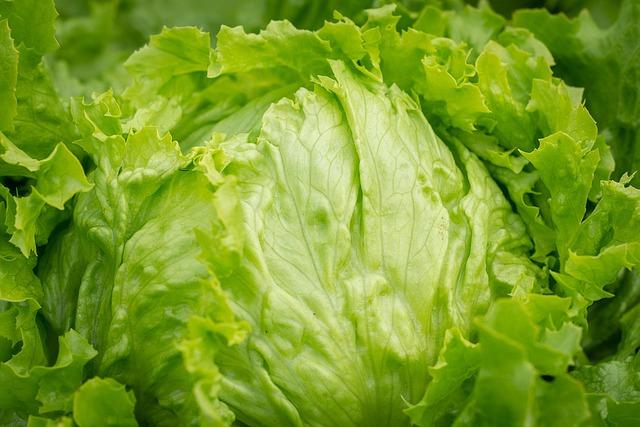
Taylor Farms Iceberg Lettuce Pulled from U.S. Shelves After Cyclosporiasis Cluster
Overview
California grower Taylor Farms voluntarily removed batches of its iceberg lettuce from retail distribution in mid‑June 2024 after public health investigators connected a cluster of cyclosporiasis illnesses to the product. The recall and ensuing advisories have renewed focus on produce safety, supply‑chain traceability, and consumer precautions as authorities work to limit further cases.
What happened and the public response
Federal and state health agencies traced multiple reports of gastrointestinal illness to consumption of iceberg lettuce sold under the Taylor Farms brand. As a precautionary measure, Taylor Farms stopped distribution of the implicated lots and asked retailers to pull affected packages from shelves and return them. Investigators reported links between illness onset and lettuce harvested and shipped in late April and early May 2024. The incident prompted warnings from public health officials advising people not to eat iceberg lettuce labeled as produced by Taylor Farms until more information is available.
Symptoms to watch for and medical guidance
Cyclospora cayetanensis is a single‑celled parasite that can cause prolonged watery diarrhea, abdominal cramping, fatigue, nausea, and intermittent fevers. Symptoms typically begin days to a couple of weeks after exposure. People experiencing persistent or severe diarrhea, dehydration, or high fever should contact a healthcare provider. The standard, evidence‑based treatment for cyclosporiasis is an antibiotic regimen-most commonly trimethoprim‑sulfamethoxazole-prescribed by clinicians; those unable to take that medication require individualized evaluation.
How contamination typically occurs
Cyclospora contaminates fresh produce when crops are exposed to fecally contaminated water or handled with inadequate hygiene during harvesting, packing, or processing. Unlike some bacteria, Cyclospora oocysts need time in the environment to become infectious, so contamination often reflects upstream sanitation lapses rather than immediate post‑purchase handling. In this outbreak, traceback investigations pointed toward specific harvest dates and processing locations in California tied to the recalled lettuce.
Supply‑chain and investigation highlights
- Traceback linked the implicated iceberg lettuce to Taylor Farms facilities in California and to shipments distributed across multiple states, including California, Texas, New York, Illinois and Washington.
- Epidemiologists identified clusters of cases in areas that received product from the same distribution channels.
- Environmental assessments reportedly found opportunities for improved sanitation at certain processing sites, prompting corrective actions and expanded testing.
Safe handling and consumer steps
While the full investigation continues, consumers can take practical steps to reduce risk and protect household members:
- Check packaging: Review product labels for Taylor Farms branding and harvest/lot information; return or discard any suspect packages.
- Dispose safely: If unsure about a lettuce’s provenance and it was purchased during the affected timeframe, err on the side of caution and discard it.
- Prevent cross‑contamination: Keep produce separate from raw meats in shopping bags, on cutting boards and in refrigerators.
- Maintain kitchen hygiene: Wash hands thoroughly with soap and water before and after handling fresh produce. Surface disinfectants do not reliably kill Cyclospora, so strict food‑handling hygiene is essential.
- Seek care: Contact a healthcare provider if you develop persistent diarrhea or other concerning symptoms.
Best practices for producers and retailers
Preventing produce‑borne outbreaks requires layered controls from field to fork:
- Water safety: Use potable water for irrigation and post‑harvest washing; routinely test water sources for contamination.
- Worker hygiene training: Regular, documented hygiene programs for field and processing staff reduce contamination risks.
- Sanitation and environmental monitoring: Facilities should maintain cleaning schedules, validate sanitation procedures, and test for pathogens when indicated.
- Traceability systems: Rapid lot identification and product traceback enable quicker recalls and limit exposure during outbreaks.
- Cold chain diligence: Proper temperature control during storage and transport reduces the proliferation of many pathogens and helps preserve product integrity.
Broader implications for produce safety
This recall underscores systemic vulnerabilities in fresh produce supply chains and the importance of rapid coordination among growers, retailers and public health authorities. The ripple effect from a single contaminated harvest can affect consumers across many states and erode trust in ready‑to‑eat produce. Strengthening preventative measures, investing in robust traceability technology, and improving on‑farm sanitation practices are practical steps that can reduce future risk.
Final notes
As investigations proceed, Taylor Farms and health agencies continue to update affected retailers and the public. Consumers should monitor official announcements, follow recall instructions, and prioritize hygiene and prompt medical evaluation for symptoms consistent with cyclosporiasis. The episode highlights how vigilance at every point-from irrigation water to the kitchen counter-remains essential for produce safety.