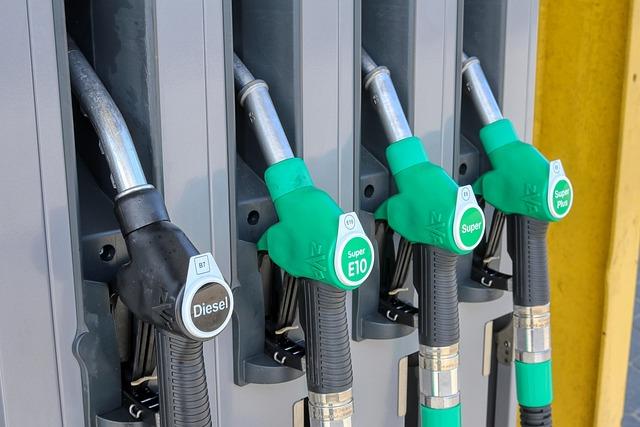
U.S. diesel prices have climbed to levels not seen in years, putting fresh strain on the trucking industry as it tries to emerge from a prolonged slump. Escalating fuel costs are compounding existing pressures-labor shortages, rising operating expenses, and logistics bottlenecks-threatening to push freight rates higher and spur knock-on inflation throughout supply chains.
How Rising Fuel Costs Erode Trucking Margins
The sharp uptick in diesel prices has materially tightened margins for carriers. Many small and mid-sized fleets report that fuel now represents a much larger slice of their budgets than in recent years, leaving fewer resources for maintenance, driver pay, or technology upgrades. The immediate consequences for operators include shifted routing strategies, reduced service frequency on marginal lanes, and in some cases the suspension of expansion plans.
Common operational impacts observed across the sector:
- Higher freight tariffs: Carriers adjust pricing to reflect rising fuel costs, creating friction with shippers.
- Retention and recruitment pressure: Budget constraints reduce the ability to offer competitive pay packages and bonuses.
- Postponed capital investments: Orders for newer, more fuel-efficient equipment are delayed, increasing long-term risk.
| Expense Category | Share Before Recent Spike | Share After Spike |
|---|---|---|
| Fuel | ~25% | ~40%+ |
| Maintenance | ~15% | ~12% |
| Labor | ~45% | ~44% |
| Other operating costs | ~15% | ~4% |
Supply-Chain Ripple Effects and Modal Shifts
When diesel becomes significantly more expensive, the impact is felt beyond trucking balance sheets. Retailers, manufacturers, and logistics providers reassess speed-versus-cost trade-offs, sometimes shifting freight to rail or consolidating shipments to reduce tanker stops and lower per-unit transportation costs. For time-sensitive cargo, however, alternatives are limited, which can prolong delays and increase inventory carrying costs.
Several challenges magnify the disruption:
- Fuel-price inflation: In many U.S. regions, averages moved above prior benchmarks in recent months, forcing carriers to reprice lanes rapidly.
- Driver labor gaps: Trade groups and carriers report shortages numbering in the tens of thousands, constraining available capacity.
- Longer delivery windows: Terminal congestion, fewer available trucks and route consolidation all contribute to extended transit times.
- Upward pressure on consumer prices: Higher transport costs can feed into retail pricing, particularly for goods with thin margins.
| Factor | Effect on Logistics | Indicative Data |
|---|---|---|
| U.S. diesel averages | Pushes up per-mile costs | Regional averages have climbed noticeably in recent months |
| Driver shortfall | Limits capacity and scheduling flexibility | Industry estimates point to shortages of tens of thousands |
| Delivery delays | Raises inventory and service costs | On-time performance metrics have deteriorated in some corridors |
Policy and Industry Solutions to Ease the Burden
Stakeholders across the trucking ecosystem are urging a mix of short-term relief and long-range policy changes to mitigate the financial strain. Proposals range from temporary fuel-tax credits to more structural reforms that accelerate the transition to lower-cost and lower-emission propulsion systems. Industry leaders underscore the need for pragmatic interventions that preserve capacity while supporting fleets through the energy transition.
Practical measures now receiving attention include:
- Targeted fuel tax relief or rebate programs for small carriers
- Streamlined compliance processes to reduce administrative time and costs
- Public incentives and grants to lower the effective cost of alternative fuel adoption
- Investment in fueling and charging infrastructure along major freight corridors
- Temporary risk-mitigation tools such as fuel hedging pools for cooperative groups of carriers
| Intervention | Potential Benefit | Expected Timeframe |
|---|---|---|
| Targeted fuel rebates | Immediate relief to cash flow for small fleets | Short term (months) |
| Regulatory simplification | Less paperwork, lower compliance cost | 6-18 months |
| Incentives for low-carbon fuels | Speeds new technology uptake | 1-3 years |
| Corridor infrastructure buildout | Enables wider operational use of EVs/hydrogen | 2-5 years |
Technology and Alternatives: Pathways to Resilience
Long-term stability for the trucking industry will depend on diversifying energy sources and adopting technologies that reduce exposure to volatile diesel markets. Electric trucks, hydrogen fuel-cell rigs and advanced biofuels each offer different trade-offs-from lower operating costs and emissions to infrastructure and capital hurdles. Carriers are beginning to pilot mixed fleets, pairing battery-electric tractors for short-haul and yard work with conventional or alternative-fuel vehicles for long-haul missions.
Real-world use cases are emerging: regional delivery companies are testing battery-electric box trucks for last-mile runs, while some intermodal operators are evaluating hydrogen fuel-cell power for longer route flexibility. Coordinated public-private investments remain essential to scale these pilots into commercially viable operations.
| Option | Key Advantages | Main Obstacles |
|---|---|---|
| Battery-electric trucks | Lower emissions in operation, reduced energy cost per mile for short-medium routes | High purchase price, charging network and grid demands |
| Hydrogen fuel cells | Fast refueling and longer range potential for heavy loads | Scarce fueling infrastructure, production and delivery costs |
| Advanced biofuels | Drop-in compatibility with existing engines, renewable feedstock options | Feedstock sustainability and supply-chain scalability |
Adopters that carefully match technology to route profile and total-cost-of-ownership models tend to see the strongest near-term benefits. For example, urban delivery fleets with predictable stop-and-go patterns are better positioned to gain from electrification sooner than long-haul carriers that need high range and quick refueling.
What Comes Next
Rising diesel prices are a clear and present challenge for the trucking industry, but they also sharpen incentives for change. In the near term, carriers will continue to manage costs through pricing adjustments, route optimization and selective service reductions. Over the medium to long term, coordinated policy action, infrastructure investment and mixed-technology fleet strategies will determine how quickly the sector reduces its exposure to volatile fuel markets.
Policymakers, shippers and carriers must work together to protect capacity, maintain supply-chain reliability and accelerate deployment of lower-cost energy solutions. Without such alignment, elevated fuel costs could keep pressuring freight rates and consumer prices for months to come.