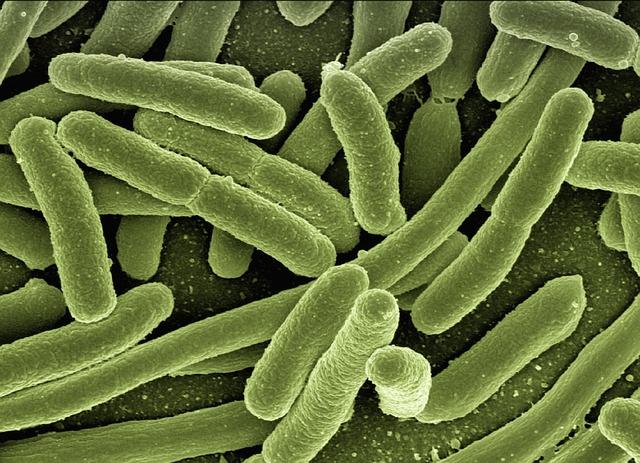
A widespread increase in cyclosporiasis infections has produced hundreds of reported illnesses across several U.S. states, prompting renewed public-health alerts. This intestinal parasitic illness—caused by Cyclospora cayetanensis—typically produces persistent watery diarrhea and other gastrointestinal symptoms and has been associated with contaminated fresh produce. Californians, given the state’s large population and extensive produce supply chains, should stay alert to symptoms, understand how the parasite spreads, and adopt sensible preventive measures while investigators work to pinpoint the outbreak’s origin.
Snapshot: The ongoing Cyclospora outbreak and what it means for California
Public-health agencies are tracking a multi-state spike in cyclosporiasis cases linked to fresh fruits and vegetables consumed raw. Investigations are ongoing, and officials caution that the nature of modern produce distribution—frequent mixing of product lots and rapid interstate shipping—can make source identification challenging. While the number of illnesses continues to evolve, the central message for residents is clear: practice careful food hygiene and seek medical care for prolonged diarrhea.
Who should be especially careful
- Young children and older adults
- People with weakened immune systems
- Those who are pregnant (because of dehydration risk)
- Anyone who consumes raw, unpackaged produce from uncertain sources
What is Cyclospora and how does cyclospora infection develop?
Cyclospora cayetanensis is a microscopic protozoan that infects the small intestine. Unlike many bacteria and viruses, Cyclospora must spend time outside a host to mature into an infectious form. That means direct person-to-person spread is uncommon; instead, contamination of food or water—often during harvesting, packing, or handling—is the usual pathway. Think of the organism like a seed that needs a brief period to ‘ripen’ in the environment before it can cause infection.
Typical symptoms, timing, and when to see a doctor
Symptoms generally begin within about 2 to 14 days after exposure and can be prolonged if untreated. Common signs include:
- Persistent watery diarrhea (can be intermittent and last several weeks)
- Stomach cramps and bloating
- Nausea, decreased appetite and fatigue
- Occasional low-grade fever, headache, or muscle aches
Because cyclosporiasis can lead to significant fluid loss, seek medical care if you have severe or ongoing diarrhea, blood in the stool, signs of dehydration (dizziness, decreased urination, dry mouth), or if symptoms persist beyond a few days. Pregnant people and immunocompromised individuals should consult a clinician promptly.
Diagnosis
Healthcare providers typically confirm Cyclospora infection with stool testing. Diagnostic options include specialized ova-and-parasite (O&P) exams, modified acid-fast staining, or molecular tests (PCR) that detect Cyclospora DNA. If you suspect infection, tell your provider about recent travel and whether you consumed fresh produce, so appropriate tests are ordered and local health departments can be notified.
How the parasite spreads — practical transmission facts
The main route of transmission is ingestion of food or water contaminated with sporulated Cyclospora oocysts. Fresh produce eaten raw—such as herbs, leafy greens, berries, and soft salad vegetables—has been implicated in past outbreaks because those items are often handled multiple times before reaching consumers and are rarely cooked. Standard levels of chlorine in drinking water and simple rinsing do not guarantee complete removal of these microscopic oocysts, though careful handling can reduce risk.
Public-health actions and what investigators are doing
State and federal health agencies are working together to identify common exposure sources by interviewing patients, tracing supply chains, and testing suspected food items. Typical public-health steps include enhanced surveillance to detect new cases quickly, coordination with agricultural and distribution partners, and issuing consumer advisories or product recalls when contaminated batches are identified. Because tracebacks can involve many intermediaries, these investigations can take days to weeks.
Everyday precautions Californians can follow now
While authorities investigate, practical measures can lower your chance of infection:
- Wash hands thoroughly with soap and water for at least 20 seconds before preparing or eating food, and after using the restroom.
- Rinse fresh produce under running potable water; use a clean brush for firm items. Note that washing reduces but may not eliminate all risk.
- When possible, peel fruits and vegetables or cook them—heat destroys many pathogens.
- Avoid raw herbs or greens of uncertain origin, especially from bulk bins or unverified vendors.
- When traveling or in areas with uncertain water quality, drink bottled or boiled water and avoid ice made from untreated water.
- Sanitize cutting boards, countertops and utensils after preparing raw produce to prevent cross-contamination.
- If you have symptoms, avoid preparing food for others and inform your healthcare provider and local health department if a Cyclospora test is positive.
Treatment options and recovery
The recommended and most effective treatment for cyclosporiasis is the antibiotic combination trimethoprim-sulfamethoxazole (TMP-SMX). Most people respond to this therapy within a few days, though symptoms sometimes recur and a full course is important. For patients with sulfa allergies, treatment choices are less straightforward; clinicians may consider alternative regimens or specialist consultation. Supportive care—especially rehydration and electrolyte replacement—is important during recovery.
Practical example: protecting a family picnic
Imagine a weekend picnic where pre-washed mixed greens and fresh herbs are served in salads. To reduce risk: keep raw produce chilled until serving, use clean utensils and plates for salads, avoid touching ready-to-eat items after handling raw foods, and consider grilling or lightly cooking herbs and vegetables when feasible. Small steps like separate serving spoons and frequent handwashing can make a meaningful difference.
Closing guidance
As local and federal agencies continue the traceback and containment work, Californians should remain informed through official public-health channels and adopt cautious food-safety habits. Early recognition, prompt medical evaluation, and following recommended preventive measures are the best ways to limit illness and protect vulnerable household members during this Cyclospora outbreak.