



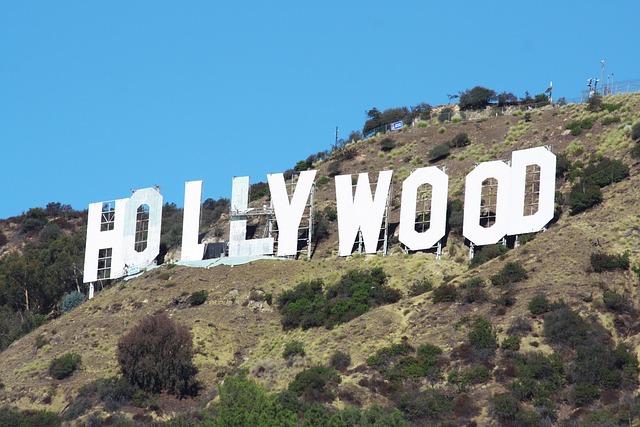
Rising Heat Meets the World Cup: What Los Angeles Should Expect
As Los Angeles prepares to host World Cup matches, the city is bracing for not only an influx of international visitors but also a noticeable warm-up. Forecasts indicate higher-than-usual temperatures across match days, creating extra layers of planning for venues, transit, public health teams, and the millions of fans converging on sites such as SoFi Stadium and the LA Memorial Coliseum. This guide outlines the outlook, operational implications, municipal responses, and practical steps fans can take to stay safe and comfortable.
Weather Outlook: A Hotter-Than-Normal Tournament Window
Meteorologists are predicting a stretch of warmer conditions around major match dates. While Los Angeles often enjoys temperate coastal breezes in early summer, urban heat, packed crowds, and daytime events can elevate localized temperatures at stadiums and fan zones.
- Expected temperature band: daytime highs in the mid-80s to low-90s °F in many neighborhoods
- Perceived heat: moderate humidity in some inland areas may make conditions feel several degrees hotter
- Evening relief: ocean breezes may cool coastal venues after sunset, but inland venues can remain warm overnight
- Alerts: the National Weather Service and local authorities will issue heat advisories for pockets of elevated risk
Sample Match-Day Forecast (illustrative)
| Match Day | Projected High (°F) | Approx. Attendance |
|---|---|---|
| Day 1 (afternoon) | 86 | ~52,000 |
| Day 2 (evening) | 88 | ~76,000 |
| Day 3 (late afternoon) | 91 | ~82,000 |
How Heat Changes Event Operations
Higher temperatures influence nearly every aspect of a large-scale sporting event. Organizers must adapt crowd flows, staffing, concessions, emergency medical services, and transportation to keep operations running smoothly and attendees safe.
Venue and Staff Adjustments
- Deploy shaded ingress/egress corridors and temporary canopies to cut sun exposure in queuing zones.
- Rotate security, ushers, and field staff more frequently and create shaded rest points with cooling gear.
- Stock concessions with higher volumes of chilled beverages and electrolyte options; expedite cold-chain logistics.
- Position additional medical teams near high-occupancy sections and fan activation zones to reduce response times.
Transportation and Crowd Management
- Staggered entry and exit windows minimize bottlenecks and long waits under direct sunlight.
- Extra air-conditioned or shaded waiting areas at major transit stops help reduce heat exposure for arriving and departing fans.
- Clear signage and app-based notifications will direct attendees to cooling stations and hydration points in real time.
| Operational Area | Heat-Minded Strategy |
|---|---|
| Ticketing & Entry | Extended contactless lanes; shaded queuing; timed entry windows |
| Concessions | Priority cold items; portable refrigeration for pop-up zones |
| Venue Medical | Extra cooling beds, fans, and trained heat-illness responders |
| Fan Zones & Activations | Misting trucks, shaded lounges, and hydration kiosks |
Practical Advice for Fans: Stay Safe, Stay Comfortable
Fans attending World Cup matches in Los Angeles should plan for heat. Being proactive reduces the likelihood of heat-related problems and makes the experience more enjoyable.
- Hydration: Prioritize water and electrolyte beverages; aim to drink steadily throughout the day rather than only when thirsty. Local officials recommend increasing fluid intake during prolonged outdoor exposure.
- Clothing: Wear breathable, light-colored fabrics and a hat with a brim. UV-blocking eyewear and sunscreen (SPF 30+) are advisable.
- Timing: Whenever possible, arrive early to secure shaded spots and use cooler morning/evening travel windows.
- Cooling tools: Pack a lightweight cooling towel, hand fan, or small misting spray; mobile misting stations and shaded seating areas will also be available at many venues.
- Group care: Watch children, older adults, and anyone with underlying health conditions closely—these groups are more vulnerable to heat stress.
Recognizing Heat-Related Illness: Quick Response Actions
| Symptom | Immediate Steps |
|---|---|
| Excessive sweating, weakness | Find shade, sip cool fluids, rest |
| Headache, lightheadedness | Sit down, cool the neck/face with a wet cloth, hydrate |
| Nausea or vomiting | Slow sips of clear fluids; seek medical attention if persistent |
| Confusion, fainting, hot dry skin | Call medical staff immediately—possible heat stroke |
City Services and Public Health Response
Los Angeles officials are coordinating with public health agencies, transit operators, and venue partners to reduce heat risk citywide. Measures include a network of cooling centers, amplified public messaging, and partnerships with non-profit organizations to support vulnerable residents.
- Cooling centers and respite locations: Several public facilities—such as the Central Library, Hollywood Recreation Center, and neighborhood community centers—will operate as air-conditioned respite points during peak heat hours.
- Hours and accessibility: Many cooling sites will offer extended operating hours aligned with major match days and be sited near transit stops for easier access.
- Information channels: Heat advisories, cooling center locations, and emergency updates will be shared via official city websites, social media channels, and event apps.
Public health teams will monitor conditions and stand ready to escalate services if heat advisories intensify. Fans are encouraged to check official city and event communications for the latest on cooling center hours and heat alerts.
Final Notes for a Safe, Enjoyable World Cup in Los Angeles
Los Angeles is poised to deliver memorable World Cup moments, but warmer-than-average temperatures add another planning variable for everyone involved. By staying informed, hydrating regularly, using available cooling resources, and following guidance from venue and city staff, fans can focus on the excitement of the tournament while minimizing heat-related risks. With thoughtful preparation, the city’s energy and hospitality can shine even on the hottest match days.
