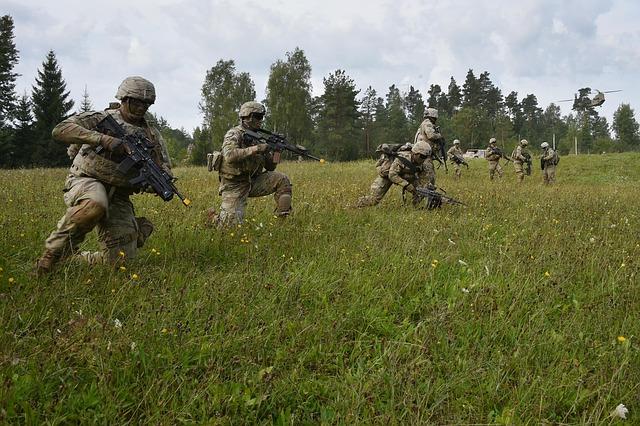
Court Blocks Transfer of California Guard Units to Portland as Protests Persist
A federal judge has issued an injunction preventing the transfer of California National Guard personnel to Portland, Oregon, halting a planned federal deployment intended to assist with mounting demonstrations. The order represents a notable judicial check on executive attempts to use military-style forces in domestic protest settings and underscores continuing legal friction over when and how federal resources may be used inside state borders.
Key Takeaways from the Ruling
- State control affirmed: The decision reinforces that California retains authority over the deployment of its National Guard absent clear statutory grounds for federal takeover.
- Legal thresholds matter: Judges emphasized existing statutes and constitutional protections that must be satisfied before troops can be used in civilian law enforcement roles.
- Accountability concerns influenced the outcome: Reports of confrontations and complaints about federal agents’ tactics were part of the court’s reason for pausing the transfer.
Legal Basis for Blocking the Movement
The court grounded its decision in several long-established legal doctrines that curb the use of armed forces in domestic affairs. Two statutes figured prominently:
- Insurrection Act: Traditionally invoked to authorize federal military assistance only when local authorities are demonstrably unable to control unrest — a condition the court found unmet.
- Posse Comitatus Act: The ruling cited limits on employing the U.S. military in civilian law enforcement tasks, warning against blurring the line between soldiers and police.
Additionally, the judge highlighted principles of state sovereignty, noting that the Constitution and federal practice generally prevent a unilateral override of a governor’s command of state guard forces without clear congressional authorization.
| Legal Principle | Practical Effect |
|---|---|
| Insurrection Act | Requires demonstrable local incapacity before federal forces may be deployed for domestic law enforcement |
| Posse Comitatus Act | Constrains military participation in civilian policing to prevent militarization |
| State Sovereignty | Affirms gubernatorial authority over National Guard units unless superseded by clear federal statute |
Context: Portland and Prior Federal Interventions
Portland has been a focal point for national debate over protests and policing. In 2020 and 2021, the city saw sustained nightly demonstrations—public reporting documented more than 100 consecutive nights of unrest at the height of the protests—which prompted prior federal deployments and multiple civil-rights complaints. Those earlier episodes, including the controversial use of federal agents from DHS and other agencies, led to litigation and heightened scrutiny that helped shape the court’s perspective in this case.
Why This Matters Beyond One City
The decision carries implications for federal-state relations nationwide. Courts acting as gatekeepers to domestic troop movements create a framework that requires coordination and legal justification before armed units cross state lines to address demonstrations. In practice, this increases the political and legal costs of unilaterally deploying military-style forces to intervene in local civil unrest.
Practical Implications and Potential Outcomes
- Governors’ authority strengthened: State executives may have greater leverage in negotiations over assistance and conditions for any outside force.
- Heightened judicial role: Judges are likely to continue weighing statutory standards and civil-rights concerns when asked to greenlight federal deployments.
- Operational caution by federal agencies: Agencies may be more reluctant to move forces without explicit legal cover and clearer intergovernmental agreements.
| Actor | Typical Authority | Effect of Ruling |
|---|---|---|
| Federal Government | National security responses and interstate coordination | Constrained without clear statutory justification and state consent |
| State Governments | Control over National Guard and local public safety | Affirmed role in managing protests within borders |
| Courts | Adjudicate disputes about deployment authority | Serving as a key check on cross-jurisdictional troop movements |
Experts Call for Clearer Rules on Domestic Use of Military Forces
Policy analysts and legal scholars warn that the absence of nationally consistent guidelines invites confusion and legal conflict. Many advocate codifying procedures that strike a balance between rapid response to genuine security crises and the protection of civil liberties. Recommended reforms include:
- Statutorily defined triggers for invoking the Insurrection Act and other emergency authorities
- Explicit limits on military involvement in routine law enforcement to honor the Posse Comitatus Act
- Independent oversight mechanisms—such as civilian review boards or inspector-general investigations—whenever federal forces operate on U.S. soil
- Prearranged intergovernmental protocols that outline consent, command relationships, and rules of engagement
Analogy: treating the deployment of military forces to a city like inviting an outside referee to control a neighborhood dispute—acceptable only when local participants cannot restore order and stakeholders have agreed to the substitute authority and its rules.
Recommended Steps for Reducing Future Conflict
- Draft national guidelines that clarify legal thresholds and procedural checks for domestic deployments.
- Require transparent reporting and public notice when federal personnel are sent to support local law enforcement.
- Strengthen training on crowd management and civil-rights protections for any federal agents assigned to domestic operations.
- Establish pre-negotiated agreements between federal and state leaders to streamline assistance while preserving state sovereignty.
Looking Ahead
The injunction blocking the movement of the California National Guard to Portland underscores a continuing tug-of-war between state authority and federal emergency powers. As litigation proceeds and political debates continue, the case may set a lasting precedent about when military-style forces can be used in response to civil unrest. Observers and policymakers will be monitoring whether Congress, the courts, or state executives take steps to clarify the rules of engagement so that responses to protests are both effective and consistent with constitutional safeguards.