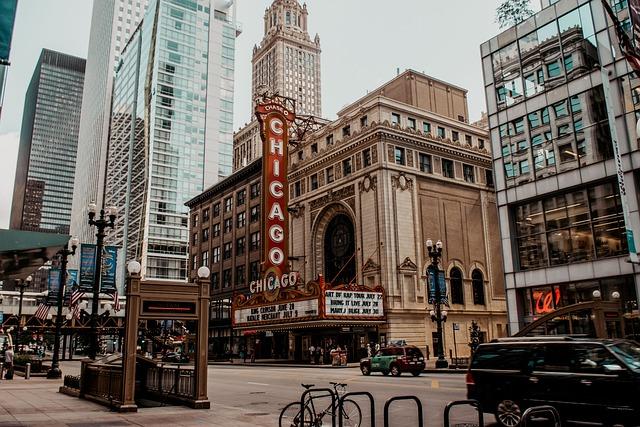
Chicago Named the Best Large City to Visit — Why the Windy City Keeps Winning Travelers’ Hearts
In its latest ranking, Travel Magazine once again elevated Chicago to the top spot among large U.S. cities, reaffirming the municipality’s global appeal. Local media, including WTTW News, highlighted the announcement and noted how Chicago’s blend of cultural vibrancy, distinctive neighborhoods, and major attractions continue to pull visitors from across the world. This recognition reflects ongoing investments in public spaces, accessibility, and programming that keep the city on travelers’ radars year after year.
What Puts Chicago Ahead of Other Metropolises
Chicago’s appeal is rooted in a combination of things you can only experience in this city: striking architecture juxtaposed with historic districts, an expansive lakefront, and an arts and food scene that balances time-honored institutions with fearless experimentation. Key strengths frequently cited by visitors and travel writers include:
- Architectural diversity: From landmark towers to contemporary riverside developments, the city is a showcase of both classic and modern design.
- Generous lakefront: More than 18 miles of publicly accessible beaches, parks, and bike paths provide waterfront recreation within reach of downtown.
- Rich cultural offerings: World-class museums, music festivals, and a flourishing theater scene make for year-round programming.
- Practical mobility: An extensive transit network plus bike-share systems and pedestrian-friendly corridors make getting around straightforward.
Tourism experts also point out that Chicago consistently draws tens of millions of visitors annually; industry reporting shows a strong rebound in recent seasons as events and business travel returned to near pre-pandemic levels.
Neighborhoods That Tell the City’s Story
Beyond the skyline and headline attractions, Chicago’s neighborhoods deliver the character that keeps people coming back. Each district offers distinct flavors—literal and figurative—that reward deeper exploration.
Where culture, street life, and craft collide
Pilsen pulses with public murals and Mexican-American heritage; stroll its side streets and you’ll find bakeries and studios alongside vibrant community murals. The West Loop, once a cluster of meatpacking warehouses, now hosts cutting-edge restaurants and renovated markets. For offbeat arts, spaces like the Bridgeport Art Center and repurposed cultural venues on the city’s South Side showcase contemporary work with local roots.
Green escapes inside an urban grid
Chicago’s parks and trails are more than scenic backdrops—they’re destinations. The North Shore Channel Trail and the Lakefront Trail provide long stretches for cycling and running, while quieter spots such as Montrose Beach and Promontory Point offer skyline views with fewer crowds. For indoor botanical discovery, Garfield Park Conservatory remains a peaceful, climate-controlled oasis year-round.
- Andersonville: A tight-knit commercial strip known for independent boutiques and a strong Scandinavian legacy.
- Logan Square: Home to lively brunch scenes, farm-to-table restaurants, and public art.
- Hyde Park: A cultural hub with historic homes, university-driven events, and tucked-away gardens.
- Ravenswood & Uptown: Residential neighborhoods with growing culinary and music scenes.
Local Secrets: Tips from Chicago Insiders
Seasoned Chicagoans advise visitors to go beyond the postcard stops to experience the city’s authentic rhythms. Here are practical, lesser-known suggestions that help visitors feel like locals:
- Timing matters: Visit museums and popular attractions on weekday mornings to avoid long lines; late afternoon on weekdays is often quieter for riverside walks.
- Take an alternate deep-dish route: Skip the busiest tourist pizzerias and try neighborhood bakeries or family-run spots in areas like Avondale or Logan Square for a cozier meal.
- Use public transit strategically: Take the CTA to explore farther-flung neighborhoods—it’s faster and cheaper than relying on ride-hailing for every trip.
- Explore underground and above: The Pedway and connected buildings offer a practical shelter during winter months, while rooftop patios provide great skyline perspectives in warmer seasons.
- Evenings with live music: Check small clubs and neighborhood bars for jazz and blues sets—these intimate venues often reveal the city’s musical soul more authentically than large festivals.
| Neighborhood | Why Go | Insider Hint |
|---|---|---|
| Pilsen | Vibrant murals, Mexican eateries, and community art spaces | Join an evening mural walk led by local artists |
| West Loop | A culinary lab of restaurants, markets, and innovative concepts | Stop by a weekday lunch for chef-driven tasting menus at lower prices |
| Hyde Park | Historic architecture, university culture, and quiet gardens | Explore weekend open houses and community markets |
Why Chicago’s Food Scene Continues to Impress
The city’s culinary reputation rests on a rare mix of comfort classics and bold experimentation. Chicagoans take pride in dishes that became icons—like deep-dish pizza and hearty Italian beef sandwiches—while also embracing chefs who reimagine flavor through global influences and seasonal sourcing.
Neighborhood markets and food halls act as incubators for new talent, and a steady stream of festivals—from neighborhood street fests to citywide events—keeps food culture lively. Rather than a single dominant cuisine, Chicago offers a tapestry of authentic ethnic restaurants: from longstanding Polish and Ethiopian establishments to dynamic Asian and Latin American kitchens.
- Farm-to-table and local sourcing: Many restaurants prioritize nearby growers and producers, enhancing freshness and sustainability.
- Diverse recognitions: The city supports everything from neighborhood gems to high-end, critically acclaimed kitchens.
- Markets as meeting places: Food halls and markets double as community centers where visitors can sample a variety of regional specialties in one stop.
- Signature events: Annual food and music festivals bring together residents and tourists, creating social moments that define Chicago summers.
Planning Your Visit: Practical Notes
For the best experience, plan with seasonality in mind. Summer delivers festivals, beach days, and open-air concerts; spring and fall offer mild weather for walking tours and rooftop views; winter brings festive lights and cozy indoor cultural programming. Reservations are recommended for popular restaurants and attraction experiences during peak months.
Safety and accessibility continue to be priorities across the city. Chicago’s downtown core and many neighborhoods maintain robust public programming, wayfinding signage, and transit connections to support visitors. For current event calendars and transportation advisories, consult official city tourism pages and local news outlets prior to travel.
Final Thoughts
Travel Magazine’s recent honor is a reminder of Chicago’s ability to blend landmark moments with everyday discovery. Whether you’re tracing architectural history on the river, chasing a late-night blues set, or sampling a new chef’s tasting menu, the city rewards curiosity. With neighborhoods that evolve and public offerings that regenerate, Chicago’s reputation as the top large-city destination looks set to endure.