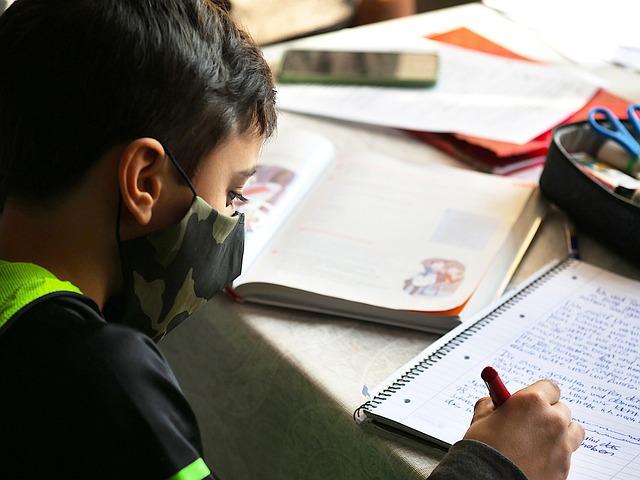
A new interactive timeline from Education Week offers a clear, shareable visualization of how school closures unfolded during the coronavirus outbreak in 2019–2020. By plotting when and where schools shut their doors, the tool helps educators, researchers, and policymakers trace decisions made under pressure and assess the immediate fallout for students and communities. This record is especially valuable as jurisdictions continue to reckon with long-term effects of COVID-19 on teaching and learning.
How closures translated into lost instructional time
- The global scale: At the pandemic’s peak, UNESCO reported that more than 1.6 billion learners worldwide experienced some form of school closure, underscoring the massive interruption to formal education.
- What changed in classrooms: The sudden pivot to remote learning exposed gaps in access to devices, reliable internet, and adult support for learning at home. Educators scrambled to convert curricula for online delivery while families juggled childcare, work, and limited bandwidth.
- Documented consequences: Multiple assessment efforts and district reports found measurable declines in student outcomes, especially in mathematics, alongside increased absenteeism and dips in engagement. Research consistently points to widening disparities: students from low-income households and historically underserved communities suffered the greatest setbacks.
Unequal impacts across communities and regions
- Urban vs. rural divides: In many nations, metropolitan districts could leverage existing technology partnerships to maintain instruction; rural and remote communities often relied on low-tech alternatives and faced longer interruptions.
- Global patterns: Countries with strong digital infrastructure tended to adopt widespread remote learning more quickly, while places with limited connectivity relied on radio, television, or printed packets—approaches that reduced contact hours and teacher feedback.
- Vulnerable populations: The loss of in-person schooling also meant reduced access to essential supports—school meals, special education services, and counseling—exacerbating food insecurity and unmet therapeutic needs for many children.
Examples of adaptive responses in schools and systems
- Device and connectivity drives: Districts and ministries launched large-scale laptop and tablet distributions and negotiated with telecom carriers to supply hotspots or zero-rate educational sites, enabling many students to join virtual classrooms.
- Low-tech teaching models: Where internet access was sparse, governments used televised lessons, community learning hubs, and paper-based packets to keep core instruction moving—an approach used effectively in several low-resource settings.
- Teacher development and peer networks: Rapid professional development programs focused on remote pedagogy, formative assessment online, and strategies to re-engage students. Peer-to-peer coaching and short micro-credential courses helped scale up teachers’ skills quickly.
- Student supports: Schools added virtual counseling, meal pickup locations, and flexible schedules to accommodate families; some districts introduced check-in systems to identify and re-engage students at risk of chronic absence.
Lessons for future crisis preparedness in education
- Invest in resilient digital infrastructure: Prioritizing universal access to devices and broadband must be a long-term commitment, not a stopgap. Public–private partnerships and targeted subsidies can accelerate connectivity in underserved areas.
- Build flexible instructional systems: Curriculum and assessment frameworks should include modular, blended options so learning can continue whether instruction is in-person, fully remote, or hybrid. Pre-planned contingency curricula reduce the scramble during emergencies.
- Strengthen mental health and wraparound services: The pandemic highlighted how schooling delivers more than academics. Sustained funding for counselors, school nurses, and food programs is essential to protect learning readiness during disruptions.
- Decentralize decision-making with shared standards: Local leaders need authority to adapt responses to community transmission and resources, while state and national guidance ensures equity and transparency.
- Monitor learning continuously: Regular, low-stakes assessments can identify learning loss quickly and guide targeted interventions such as tutoring, extended learning time, or summer recovery programs.
Moving from emergency response to recovery and improvement
Reopening schools was only the first step; addressing accumulated learning loss requires coordinated, evidence-based strategies. Tutoring programs, extended school days, and targeted small-group instruction are among the interventions showing promise in narrowing gaps. Equally important is evaluating which pandemic-era innovations—blended learning models, strengthened parent communication systems, and expanded virtual professional development—should be sustained and scaled.
Final thoughts
The Education Week map is more than a historical snapshot: it’s a tool for reflection and planning. The coronavirus-driven wave of school closures revealed long-standing inequities and forced rapid innovation. As education systems transition from crisis management to deliberate recovery, the lessons learned—about access, instruction, and student well-being—must inform policies that make schooling more equitable and resilient against future disruptions.