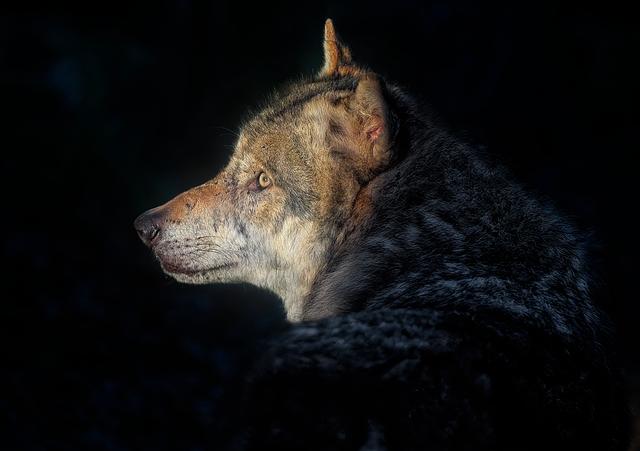
Return of the Gray Wolf to Los Angeles County: What This Moment Means for Southern California
A gray wolf has been documented moving through Los Angeles County for the first time in more than a century, a development that has captured public attention and stirred conversation among wildlife professionals. Camera-trap images and field confirmations indicate the animal has been traveling in and around the Angeles National Forest, raising questions about habitat connectivity, conservation progress, and how communities might live alongside this iconic predator.
Why This Sighting Is More Than a Curious Encounter
The arrival of a gray wolf in Los Angeles County is significant on several levels. Historically extirpated across much of the western United States by predator control and loss of habitat, wolves function as apex regulators in many landscapes. Their presence can trigger ecological changes—ranging from reduced overgrazing by deer to shifts in mesopredator behavior—that reverberate through plant and animal communities. For Southern California, a region shaped by intense urbanization and fragmented ecosystems, a wandering wolf signals both the reach of natural recovery and the value of reconnecting green spaces.
What experts are watching
- Movements and habitat use in urban-adjacent terrain, especially corridors linking the San Gabriel Mountains and surrounding wildlands.
- Interactions with existing carnivores such as mountain lions and coyotes, and the resulting adjustments in local food webs.
- Any signs of prolonged residency or attempts at establishing territory, which would have longer-term ecological implications.
Ecological Benefits and Potential Trade-Offs
Bringing back top predators can re-balance ecosystems. In longer-studied cases—such as wolf reintroduction in parts of the Northern Rockies—scientists have documented cascades that benefit vegetation recovery, bird populations, and stream health. Similar outcomes are possible in Southern California if gray wolves persist, but they are not guaranteed and may bring practical challenges.
- Ecosystem regulation: By limiting overabundant herbivores, wolves can help native plants recover and create habitat for smaller species.
- Biodiversity gains: Improved vegetation structure supports insects, birds, and small mammals, boosting overall ecological resilience.
- Potential conflicts: Wolves can prey on unprotected livestock and occasionally attract concern among people living near wildlands.
Urban-Edge Reality: Safety, Perceptions, and Practical Concerns
As wolves explore landscapes near dense human populations, a complex mix of opportunity and friction emerges. Local residents often fear threats to pets or small livestock, while motorists and outdoor recreators worry about rare but consequential encounters. At the same time, misunderstandings about wolf behavior can stoke resistance to conservation measures.
Key challenges include:
- Managing livestock vulnerability without resorting to lethal control.
- Addressing public safety concerns through education and clear reporting channels.
- Investing in monitoring and rapid-response capacity to reduce risks and inform policy decisions.
Practical Strategies for Coexistence
Communities, ranchers, and agencies can adopt evidence-based tools that lower conflict while allowing wolves to use available habitat. Successful approaches used elsewhere that could be adapted for Los Angeles County include:
- Non-lethal deterrents: fladry, motion-activated lights and alarms, and range riders have reduced predation in other regions.
- Guardian animals and secure night enclosures for vulnerable livestock, which are proven to reduce losses.
- Compensation programs and insurance mechanisms to offset economic impacts for producers while discouraging retaliatory actions.
- Targeted outreach and school programs to teach safe behaviors—keeping pets supervised, not leaving food out, and understanding what to do if a wolf is sighted.
Monitoring and research priorities
- Expanding camera-trap networks and using GPS collars where ethically and legally appropriate to track movements and habitat preferences.
- Collaborative studies with tribal nations, state agencies, universities, and local NGOs to pool data and resources.
- Regularly updating risk assessments as new information on wolf presence and human-wildlife interactions becomes available.
A Quick Guide: If You See a Gray Wolf
| Situation | Recommended Response |
|---|---|
| Wolf observed near homes or parks | Secure pets immediately; keep a safe distance and notify local wildlife authorities with location and time. |
| Livestock at risk | Move animals to protected enclosures at night; employ guardian animals and deterrents; report incidents to state wildlife offices. |
| Wolf encounters during outdoor activities | Stay calm, give the animal space, avoid running, make yourself appear large, and back away slowly toward safety. |
Policy Considerations and Community Roles
Effective management requires coordination across jurisdictions and buy-in from local stakeholders. Policymakers must balance species protections under federal and state laws with the realities of urban growth and private land use. Community engagement—transparent communication, accessible reporting systems, and participatory planning—will be essential to build trust and craft workable solutions that reflect local values.
Practical policy actions include creating mapped wildlife corridors that prioritize connectivity, funding for non-lethal conflict reduction programs, and local ordinances that minimize attractants (such as ordinances on unsecured compost or outdoor pet food).
Looking Ahead: Resilience, Risks, and Possibilities
The gray wolf’s presence in Los Angeles County is a vivid reminder that nature can reclaim space when given the opportunity. Whether this individual is an isolated traveler or the vanguard of a more permanent return, the sighting invites a rethinking of how Southern California manages and values its remaining wildlands. With thoughtful planning—rooted in science and grounded in community needs—this moment can become a case study in coexistence rather than conflict.
For now, researchers will continue to gather data, managers will refine response plans, and residents will weigh the trade-offs of living near a recovering apex predator. The broader lesson is one of interconnectedness: landscape-scale conservation, informed public outreach, and pragmatic tools for reducing harm are all necessary to welcome wildlife back into regions where people and wild species must share space.
Keywords: gray wolf, Los Angeles County, Southern California, Angeles National Forest, wildlife corridors.