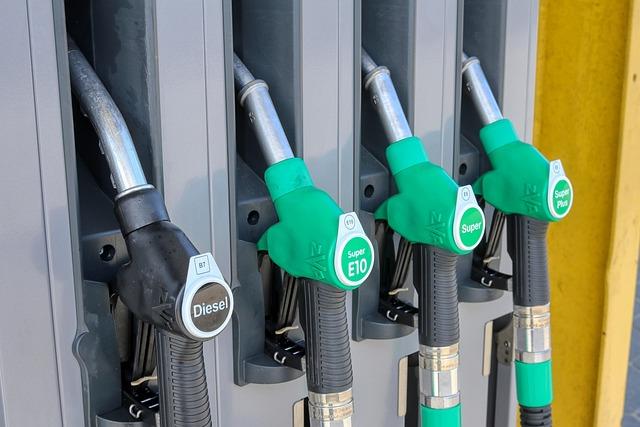
How Rising Gas Prices Are Reshaping California’s Economy
California—home to one of the world’s largest state economies—is facing renewed stress as gasoline costs climb. The jump in pump prices is reverberating across industries and households, altering spending patterns, straining logistics networks, and forcing companies and policymakers to revisit strategies for resilience. This article explores the economic consequences of rising gas prices in California, examines sector-specific effects, and outlines practical responses being pursued by businesses and government.
Big-Picture Effects: Why Higher Fuel Costs Matter
Fuel is a foundational input for a broad swath of economic activity. When gas prices rise, the impact is immediate for transportation-heavy businesses and more gradual but persistent for other sectors through higher input and delivery costs. Consumers also feel the pinch directly at the pump, which can reduce discretionary income and shift demand away from restaurants, entertainment, and nonessential retail.
- Supply chains become costlier and less predictable.
- Household budgets tighten, particularly for longer-distance commuters and lower-income families.
- Firms facing compressed margins may delay investment or raise prices, feeding inflation.
Household Budgets and Consumer Behavior: Winners and Losers
As gasoline consumes a larger share of monthly spending, many Californians reallocate expenditures toward essentials. Urban commuters in metro regions such as Los Angeles and the Bay Area—where car ownership and long commutes remain common—tend to bear a heavier burden. Conversely, households with access to public transit or who can work remotely experience a smaller direct impact.
Behavioral adjustments are already evident: increased carpooling, greater use of transit when available, postponed road trips, and a rise in price-sensitive shopping. These shifts have ripple effects for local economies that rely on tourism, dining out, and in-store retail.
Illustrative Consumer Shifts
- More frequent use of price-comparison apps and loyalty programs.
- Substitution from dine-in meals to grocery-prepared food in some demographics.
- Uptick in regional-scale secondhand vehicle markets as consumers trade down to more fuel-efficient cars.
Sector-by-Sector Breakdown
Rising gas prices do not affect all industries equally. Below is a restructured view of how several major sectors in California are being influenced and what they are doing in response.
| Industry | Primary Pressure | Common Responses |
|---|---|---|
| Freight & Logistics | Higher diesel and route costs; thinner margins | Consolidated shipments, dynamic routing, contract renegotiation |
| Agriculture | Cost increases for equipment fuel and input transport | Local sourcing, precision agriculture, crop scheduling changes |
| Retail & Hospitality | Drop in discretionary spending and tourism | Targeted promotions, flexible pricing, focus on local customers |
| Manufacturing | Rising inbound material costs and energy-related expenses | Energy efficiency investments, inventory timing adjustments |
Transportation Networks and Supply Chains under Pressure
California’s logistic arteries—ports, highways, and regional distribution centers—feel amplified strain when fuel is expensive. Companies that operate on thin margins or maintain just-in-time inventories become especially vulnerable to both cost increases and volatility in delivery schedules.
Practical strategies firms are pursuing include load consolidation to reduce trip frequency, shifting some distribution closer to end markets, and accelerating pilot programs for battery-electric and hybrid trucks. Smaller operators, however, face higher barriers to upgrading fleets due to upfront costs.
Case Example
A mid-sized Central Valley produce distributor reduced the number of daily routes by combining loads and coordinating with nearby farms. While this lowered fuel bills, it required tighter scheduling and new partnerships to maintain freshness—demonstrating trade-offs between cost savings and operational complexity.
Inflation Dynamics: Where Fuel Pushes Prices Up
Rising gas prices can be a direct component of headline inflation and also an indirect driver through higher transportation and production costs. Some sectors see immediate price increases—fuel-intensive services and goods—while others experience delayed or muted effects.
- Goods requiring long-distance transport face faster pass-through to consumer prices.
- Locally produced items can remain relatively insulated if logistics adaptations are successful.
- Wage pressures may rise for workers in roles exposed to higher commuting costs.
Policy Responses and Strategic Options
State and local leaders are advancing a mix of short-term relief and longer-term structural measures to blunt the economic fallout of rising gas prices. These options include targeted financial assistance for vulnerable households, incentives to accelerate vehicle electrification, and investments in public transit expansion to reduce per-capita fuel reliance.
| Intervention | Goal | Expected Timeframe |
|---|---|---|
| Direct rebates or targeted tax relief | Immediate household support | Short term |
| EV purchase and charging incentives | Reduce long-term fossil fuel demand | Medium term |
| Transit and active-transport investment | Lower per-capita fuel use and improve mobility options | Medium to long term |
Additionally, regulatory and market-monitoring actions—such as increased oversight of fuel markets—aim to prevent unfair practices that could exacerbate price spikes. Public–private partnerships are being used to pilot resilient logistics corridors and scale up community-based solutions like ride-share cooperatives in areas underserved by transit.
What Businesses Can Do Now
Firms looking to navigate the current environment should focus on both immediate cost containment and strategic investments that reduce exposure to fuel volatility:
- Implement fuel-management software and telematics to improve route efficiency.
- Evaluate leasing or financing options for fuel-efficient or electric vehicles to spread capital costs.
- Strengthen supplier relationships to explore shared logistics or local sourcing.
- Consider pricing strategies that communicate changes to customers transparently while protecting loyalty.
Looking Ahead: Resilience in a High-Fuel-Price World
California’s economy will continue to adjust as market forces and policy choices interact. Higher gas prices are a stress test: they expose vulnerabilities but also accelerate transitions—toward cleaner transport, smarter logistics, and more flexible consumer markets. How quickly the state adapts will depend on coordinated action from businesses, communities, and policymakers to manage short-term hardship while investing in longer-term resilience.
For residents and companies alike, the near-term focus is on pragmatic mitigation—cutting avoidable miles, tightening supply chains, and targeting support where it is most needed—while keeping an eye on investments that reduce dependence on volatile fuel markets over the next several years.