



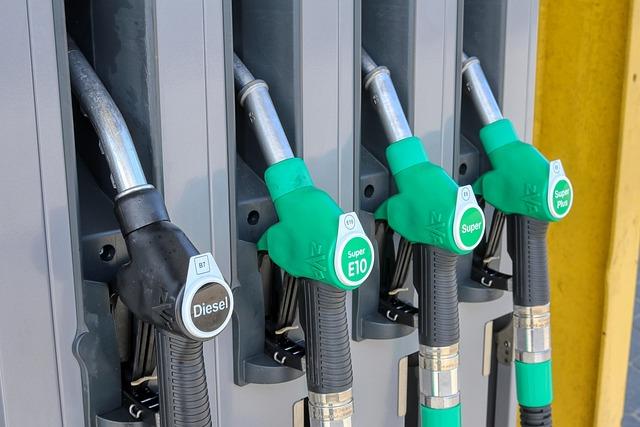
Record-High Pump Prices in Los Angeles Spotlight Controversial Station Markups
As fuel costs climb across the United States, one Los Angeles gas station has become the focal point of consumer ire for setting pump prices at unprecedented highs. In a metro area already known for elevated fuel rates, this outlet’s aggressive pricing has prompted questions about fairness, market dynamics, and the real-world consequences for commuters and small businesses. This piece examines the causes behind the spike, how drivers are adapting, and what authorities and industry observers are watching closely.
Record-Breaking Pumps: A Local Outlier in a Broader Price Rise
Many stations in Los Angeles have gradually raised their prices in response to supply-chain pressures and refining costs, but one location has stood out by charging rates that far exceed the citywide norm. Motorists and social feeds alike have shared photos of signs listing gasoline well above typical levels — figures that, in some cases, approach double the national average. Such disparities have renewed accusations of price gouging and prompted heightened scrutiny from consumer advocates.
Immediate effects on everyday budgets
Rising pump prices bite into household spending, with the burden falling heaviest on those with the least flexibility in their budgets. For many Angelenos, the extra dollars spent filling tanks translate into postponed purchases, fewer restaurant visits, and tighter choices for family transportation. Community organizations report an uptick in calls from residents seeking help with commuting costs.
- Higher routine travel expenses for workers reliant on driving.
- Accelerated interest in carpooling and shared mobility to cut costs.
- Increased requests for clearer pricing information and enforcement from regulators.
| Station | Displayed Price (per gallon) | Approx. Increase vs. City Avg |
|---|---|---|
| Harbor View Fuel | $8.95 | +38% |
| Civic Corner Market | $6.15 | +5% |
| Los Angeles Average | $6.50 | — |
What’s Behind the Steep Markups?
Several intersecting forces can explain why a single gas station might post unusually high rates. Limited local competition, logistical bottlenecks in fuel delivery, surges in demand in specific neighborhoods, and strategic pricing aimed at tourists or captive customers can all play a role. Analysts caution that while some price differences reflect legitimate cost structures, extreme gaps may signal opportunistic behavior.
Location and market leverage
Stations positioned near freeways, airports, or tourist hubs often enjoy a degree of pricing power because many customers prioritize convenience over savings. A business model built around convenience sales can produce higher visible prices, but regulators and consumer groups argue there is a line between profit and predation when residents face limited alternatives.
Supply and operational constraints
Temporary disruptions — such as refinery maintenance, tanker delays, or local bottlenecks — can push wholesale costs upward for certain outlets. When delivery windows are tight and inventories low, some stations raise prices sharply to manage supply until normal flows resume.
- Strategic convenience pricing (near major interchanges or tourist zones)
- Short-term distribution or supply interruptions
- Smaller operators lacking bulk purchasing power
Who Bears the Cost: Economic and Community Consequences
The ripple effects of spiking fuel prices extend beyond individual drivers. Small businesses that rely on local customers and delivery vehicles see margins squeezed as operating costs climb. Gig-economy workers and hourly employees with long commutes face immediate income erosion. Over time, persistent high fuel costs can reshape consumer patterns, reducing discretionary spending in neighborhood shops and altering urban mobility.
| Area | Near-Term Impact | Possible Long-Term Result |
|---|---|---|
| Households | Cutting back on nonessential trips | Strained household finances |
| Small Businesses | Higher delivery and operating costs | Reduced hours or closures |
| Transit & Mobility | More riders on buses and trains | Overcrowding and pressure on services |
For example, a rideshare driver in South L.A. who once budgeted $60 weekly for fuel might now need to spend an extra $15–$25 per week, directly reducing take-home earnings. Such micro-level impacts aggregate into broader economic stress when many households and businesses are similarly affected.
How Drivers and Communities Are Responding
Angelenos are adapting by changing routines and using available tools. Price-comparison apps, community fuel-buying co-ops, and organized carpool networks have seen renewed interest. Some neighborhoods have launched social media groups to flag unusually high pump prices, creating real-time public pressure on stations.
Practical behavior shifts
- Switching to public transit, biking, or e-scooters for short trips
- Scheduling errand-heavy days to reduce overall mileage
- Joining ride-share or carpool arrangements with coworkers
Simple vehicle maintenance tips that save fuel
Small, routine actions can improve fuel economy and stretch each tank:
| Action | How It Helps |
|---|---|
| Maintain proper tire pressure | Reduces rolling resistance and improves MPG |
| Remove unnecessary weight | Less mass means better fuel efficiency |
| Limit aggressive acceleration and braking | Smoother driving reduces fuel use |
| Keep up with scheduled engine tune-ups | Optimal combustion and performance |
Regulatory Watch: Price Gouging Concerns and Possible Responses
Complaints about steep pump prices have prompted calls for investigations by local authorities and consumer protection organizations. Under state laws that prohibit exploitative pricing during emergencies, regulators can review whether the markups reflect legitimate cost increases or unlawful profiteering. City officials say they will monitor complaints and coordinate with state agencies if needed.
Industry experts note that while enforcement is one tool, longer-term solutions include improving competition, expanding public transit options, and encouraging adoption of alternative-fuel vehicles to reduce vulnerability to volatile gasoline markets.
Looking Ahead: What This Means for Los Angeles Drivers
Whether the extreme prices at a single station mark a short-lived anomaly or foreshadow broader volatility will depend on supply trends, regulatory responses, and consumer behavior. For now, the situation underscores the fragile balances in local fuel markets and the outsized effect a single business decision can have on everyday life.
As drivers adapt and policymakers react, residents and businesses will be watching gas prices in Los Angeles closely — not just for the immediate cost at the pump, but for what those numbers reveal about market fairness, access, and the region’s resilience to future energy shocks.
