


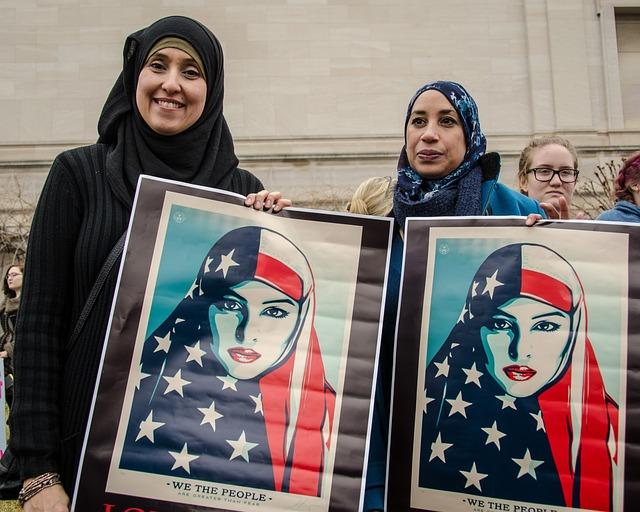
Nationwide “No Kings” Rallies Spotlight Broad Resistance to Donald Trump
Across scores of U.S. cities, a wave of demonstrations under the banner “No Kings” has mobilized citizens protesting the influence and policies associated with Donald Trump. What began as localized actions has grown into a coordinated national show of dissent, amplifying demands for accountability, democratic safeguards, and policy change.
From Side Streets to Major Avenues: The Scale of the Mobilization
In the last month, organizers and observers documented large gatherings in metropolitan cores and in smaller regional centers alike. While estimates vary, aggregated turnout numbers span from several hundred thousand to more than a million participants nationwide, depending on how events and multi-day participation are counted. Organizers typically report higher attendance figures than local authorities; regardless of the exact totals, the demonstrations represent one of the largest coordinated protest efforts in recent years.
Protesters ranged from students and faith leaders to union members and civic groups, demonstrating that opposition framed by the “No Kings” slogan cuts across age and occupational lines. Many activists emphasized protecting institutions—courts, free press, and election integrity—positioning their efforts as a defense of democratic norms rather than a single-issue campaign.
What Protesters Want: Core Issues Driving the Movement
Although the unifying message is opposition to perceived authoritarian tendencies linked to Donald Trump, participants articulated a broad policy agenda. Recurring themes included:
- Humane and comprehensive immigration policies
- Accelerated climate mitigation policies and environmental justice
- Broader, more affordable healthcare access
- Measures to reduce wealth concentration and expand economic fairness
- Stronger checks on executive power and transparency in government
Many demonstrations wove these policy demands into local contexts—for example, coastal cities emphasized climate resilience, Rust Belt rallies centered on labor rights and economic revitalization, while university towns focused on civic education and youth turnout.
City Highlights: Distinct Local Flavors of a National Movement
Each metropolitan area contributed its own cultural and historical touch to the protests, creating a tapestry of tactics—from teach-ins and art installations to labor-led marches and memorial vigils. Below is a snapshot of attendance estimates, noting the common discrepancy between organizer and official figures.
| City | Organizers’ Estimate | Official Estimate | Notable Activities |
|---|---|---|---|
| New York | 80,000 | 50,000 | Broadway-area flash rallies and coordinated subway outreach |
| Washington, D.C. | 90,000 | 60,000 | Marches to federal buildings and policy teach-ins |
| Los Angeles | 70,000 | 40,000 | Large mural projects and coalition parades |
| Chicago | 55,000 | 30,000 | Riverfront processions and community forums |
| Atlanta | 35,000 | 20,000 | Historic-site rallies and neighborhood canvassing |
| Portland | 25,000 | 15,000 | Evening vigils and civic assemblies |
| Austin | 22,000 | 12,000 | Campus-centered demonstrations and policy panels |
| Detroit | 18,000 | 10,000 | Labor-driven marches and town-hall events |
How the Movement Is Organized: Tools, Tactics, and Messaging
Organizers blended traditional grassroots practice with digital coordination. Local coalitions established schedules of neighborhood meetings, coordinated volunteer shifts, and used encrypted messaging apps and widely followed social accounts to publicize locations and resources. Visual storytelling—large banners, community art, and livestreamed speeches—helped the protests reach national audiences.
Messaging often framed the rallies as an intergenerational civic response: older organizers shared institutional knowledge and legal frameworks, while younger participants contributed digital savvy and cultural energy. Rather than relying on a single tactic, the movement has mixed direct action, educational programs, and targeted lobbying to broaden its influence.
Potential Political Consequences: Short-Term Ripples and Long-Term Shifts
Analysts suggest several possible outcomes stemming from the “No Kings” mobilizations. In the near term, the protests may translate into increased voter registration and turnout among demographics that have historically been underrepresented. Over a longer horizon, sustained pressure could prompt legislative inquiries, renewed debates on executive oversight, and adjustments in party strategies as politicians respond to energized constituencies.
| Area of Influence | Possible Effect |
|---|---|
| Electoral Engagement | Higher registration and turnout in local and national contests |
| Legislative Attention | Increased proposals for transparency and oversight reforms |
| Public Debate | Shift toward accountability themes in mainstream discourse |
Still, the trajectory depends on whether organizers can move beyond episodic rallies to build durable institutions—coalitions, policy teams, and electoral programs—that sustain engagement between election cycles.
Turning Street Energy into Policy: Strategies for Continued Influence
Movement leaders emphasize a multi-pronged approach to convert public demonstrations into measurable policy outcomes. Key strategies include:
- Establishing local committees that meet regularly to translate demands into legislative language
- Creating public briefings and research summaries for lawmakers to reduce barriers to policy adoption
- Forming alliances with labor unions, civil-society groups, and faith organizations to broaden political leverage
- Coordinating voter-registration drives and civic education campaigns in targeted districts
- Leveraging creative media—documentaries, podcasts, and viral campaigns—to sustain attention
Below is a practical roadmap activists are using to maintain momentum and influence decision-makers.
| Action | Purpose | Expected Result |
|---|---|---|
| Community Workshops | Educate residents on local policy levers | Broader grassroots capacity to advocate |
| Policy Briefs | Present vetted proposals to legislators | Increased likelihood of legislative uptake |
| Coalition Campaigns | Coordinate cross-sector advocacy | Amplified political influence |
| Targeted Electoral Work | Mobilize voters in key districts | Potential shifts in local and national representation |
