


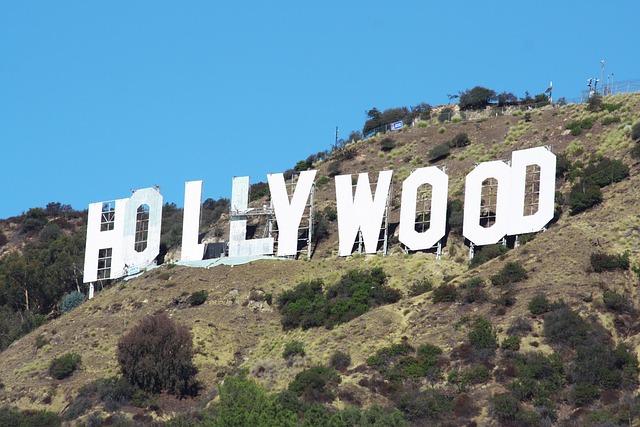
Is Hollywood Losing Its Crown? How Los Angeles Must Reinvent Its Role in Global Film and Television
For decades, Los Angeles and Hollywood have been virtually interchangeable—symbols of the global film and television business. Today, however, that image is increasingly under pressure. Rising production expenses, aggressive incentives from other regions, and rapid technological change have combined to dilute Hollywood’s centrality. This article explores why production is migrating away from LA, how streaming and virtual production are reshaping geography, and practical steps the city can take to remain a premier creative capital.
New Production Centers: Why Cities Beyond LA Are Gaining Ground
Across North America and Europe, cities that once played supporting roles in filmmaking are now building full-service ecosystems. Atlanta, Vancouver, London and Albuquerque—among others—have steadily attracted large-scale productions by pairing modern studio complexes with lucrative financial incentives and accessible local crews. Rather than one-off shoots, many of these markets now host long-running TV shows and franchise installments.
Drivers behind the shift
- Competitive incentives: Provincial and state-level tax credits commonly fall in the 20–35% range, trimming production budgets and tipping greenlights toward non-California locations.
- Growing regional expertise: Local training programs and post‑production houses have expanded talent pipelines so that high-level crews no longer need to relocate to Los Angeles.
- Modern studio capacity: New sound stages, backlots, and specialized facilities (virtual production, motion capture, water tanks) make other cities turnkey for complex shoots.
- Authentic settings: Producers increasingly choose real-world locales that offer cultural and geographic specificity, reducing reliance on costly set recreations in LA.
Streaming Platforms and the Decentralization of Production
Streaming companies—driven by the need for continual fresh content—have been major accelerants of geographic change. Netflix, Amazon, Disney and others commission dozens of series each year and prefer to spread production across multiple hubs to hit timelines, diversify storytelling, and take advantage of local cost structures.
Rather than the blockbuster-focused seasonal production cycles of old Hollywood, the streaming era rewards volume, speed and global relevance. That model favors distributed shooting: several mid‑budget series shooting simultaneously in different jurisdictions instead of concentrating every project in Los Angeles.
Technology plays a catalytic role
- Virtual production: LED volumes and real‑time rendering let teams complete effects-heavy sequences without lengthy travel or expensive on-location builds.
- Remote collaboration: Cloud-based editorial, dailies, and VFX pipelines make it easier for creative teams to work from disparate cities.
- Localized storytelling tools: Smaller studios and regional creators can produce content that resonates with specific audiences, broadening the marketplace beyond Hollywood conventions.
Economic and Cultural Shifts Undermining Hollywood’s Advantages
Beyond incentives and tech, broader economic realities are nudging industry activity outward. The cost of living in Los Angeles—housing, transportation and crew rates—has made long-term relocation to LA less appealing, especially for mid-level creatives and support personnel. At the same time, audiences are demonstrating appetite for culturally distinct narratives, encouraging platforms to nurture local producers and casts.
Think of the industry as a railway network. Where Hollywood was once a single, dominant terminal, the system is evolving into an interlinked set of regional stations—each capable of handling express traffic. The consequence: fewer projects are forced through LA simply because alternative stations are now fully equipped.
Examples: New Hubs and Notable Projects
- Atlanta, GA: With large studio complexes and roughly three decades of growth in TV and film production, Atlanta draws franchise and streaming series that benefit from Georgia’s well-known incentive program.
- Vancouver, BC: British Columbia’s skilled crews and versatile locations have long made it a stand‑in for many cities, attracting major films and long-running TV dramas.
- London and the UK studios: Facilities such as Pinewood and Shepperton continue to support tentpole films and period dramas for global audiences.
- Albuquerque and regional U.S. sites: Lower overhead and state incentives make these cities attractive for independent and mid-budget productions.
How Los Angeles Can Reassert Its Leadership
LA still has unmatched creative density—top-tier talent, world-class post-production houses, and deep industry networks. But preserving that advantage requires proactive change. Below are strategic levers that could help Los Angeles regain momentum as a global production leader.
1. Competitive fiscal policy and nimble permitting
Enhancing or reconfiguring tax credits to reward on-site employment, sustainable practices and use of local facilities would make LA economically more competitive. Faster, digitized permitting and predictable filming windows reduce production friction and cost overruns.
2. Invest in future-facing infrastructure
Public-private projects that expand LED volume stages, shared post-production hubs, and AI-assisted workflows would keep LA technologically relevant. Building more sound stages and affordable production office space would eliminate a key reason producers relocate.
3. Strengthen workforce pipelines and affordability
Partnerships between studios, unions and educational institutions can create training pathways for underrepresented technicians, editors and VFX artists. Coupling this with targeted housing solutions for freelancers and early-career creatives would lower the barrier to working in LA long-term.
4. Emphasize sustainability and community benefits
Green production standards and visible community investment (local hiring quotas, mentorship programs) make LA a more appealing partner for studios and streamers that prioritize ESG goals and public goodwill.
Short Case Study: A Hypothetical Rebound
Imagine a Los Angeles district transformed into a creative campus: municipal incentives prioritized projects with local hiring, a cluster of LED volumes and post houses opened through city incentives, and a subsidized housing program for industry apprentices. Over five years, that cluster attracts multiple streaming series that might otherwise have gone to rival cities—reclaiming a portion of production volume while strengthening the local workforce. This is not fanciful; it’s a matter of aligning public policy with industry needs.
Takeaway: Reinvention Over Nostalgia
Los Angeles is at an inflection point. The facts are clear: production is more mobile than ever, and other markets have closed the infrastructure and cost gap. But LA’s ecosystem—its talent, legacy companies, and cultural cachet—remains a powerful asset. Preserving Hollywood’s global relevance will require fiscal competitiveness, technological investment, workforce development, and a willingness to rethink how the city supports creative production.
If Los Angeles treats this moment as an opportunity to modernize rather than mourn, it can remain a preeminent center for film and television—albeit one within a more distributed and collaborative global industry.


