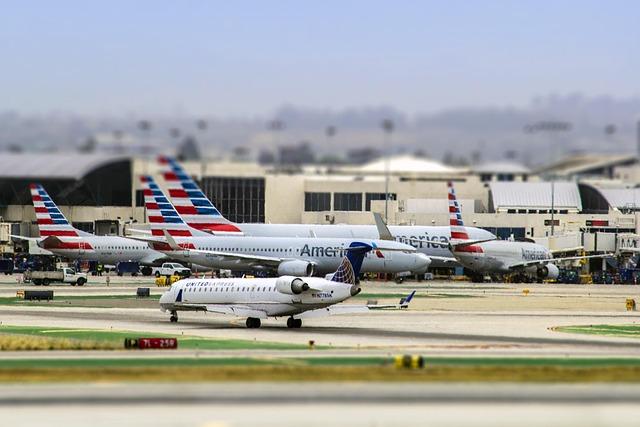
Los Angeles International Airport Operations Paused After Acute Air Traffic Controller Shortage
Los Angeles International Airport (LAX) has temporarily halted inbound flights following an acute shortage of air traffic controllers, an interruption that has created widespread cancellations and extended delays. The stoppage—declared a safety-driven pause by airport leadership—has disrupted travel for thousands and put a spotlight on staffing vulnerabilities across the U.S. air-traffic system.
How the Disruption Unfolded
Over the past day, LAX officials implemented a temporary suspension of arrivals as the number of available certified controllers dipped below safe operating thresholds. Airlines quickly began notifying affected passengers about cancellations and rebookings, while ground services remained active at reduced capacity. The measure was taken to prioritize safe airspace management rather than maintain normal throughput under strained conditions.
Immediate Effects at a Glance
- Dozens to more than 100 scheduled arrivals canceled on some days.
- Significant delays as flights were held, rerouted, or grounded.
- Ground operations continued but with limited processing speed for connecting passengers.
Who Is Impacted — Passengers, Airlines and the Airport
Passengers experienced long waits, missed connections and, in some cases, hours aboard aircraft before being cleared to disembark. Families and business travelers alike reported lost reservations and added lodging or transportation costs. For carriers, the pause has produced cascading scheduling challenges across domestic and international networks, increasing operational costs and customer service burdens.
- Travelers: Check flight status frequently; expect rebooking and potential accommodations from carriers.
- Airlines: Facing rerouting costs, crew reassignment, and higher compensation liabilities.
- Airport operators: Managing passenger flows, communications, and stretched on-site resources.
| Entity | Response | Near-Term Outlook |
|---|---|---|
| FAA / Federal coordinators | Temporarily reallocating controllers, authorizing support from adjacent facilities | Working to stabilize operations within days |
| Major carriers | Rebooking affected passengers and waiving fees | Ongoing schedule adjustments |
| LAX Authority | Increasing traveler communications and on-site assistance | Immediate |
Operational Consequences Beyond Delays
Beyond the visible delays and cancellations, the staffing shortfall translates into higher fuel burn from reroutes and holding patterns, fewer available flights during the recovery window, and a heavier load on call centers and customer-relations teams. Industry analysts warn that these secondary effects can intensify if staffing dips persist.
- Higher operating costs: Reroutes and delays increase fuel and crew expenses.
- Route reductions: Some operators may temporarily cut frequencies to maintain reliability.
- Customer trust: Repeated disruptions can erode loyalty and future bookings.
Why the Controller Shortage Reached a Breaking Point
The disruption is rooted in multiple, intersecting issues that predate the current pause. A wave of retirements among experienced controllers, prolonged training timelines for new recruits, and workplace stressors have all contributed. The situation is comparable to losing a large portion of conductors in an orchestra mid-tour—without enough trained leaders, coordination becomes unsafe and unsustainable.
Contributing factors include:
- Retirement and attrition: An aging workforce has led to a higher-than-normal exit rate.
- Recruitment and training gaps: Certification requires months of supervised experience, creating a lag between hiring and operational readiness.
- Operational pressures: Extended shifts and legacy systems increase on-the-job strain.
- Funding and resource variability: Budget uncertainty limits proactive hiring and modernization.
| Root Cause | Effect | Short-Term Fixes Being Used |
|---|---|---|
| Retirements | Loss of institutional knowledge | Overtime and temporary reassignments |
| Training backlog | New controllers not immediately deployable | Accelerated on-the-job mentorship |
| Burnout | Higher absentee rates | Flexible shift pilots and wellness outreach |
Steps Taken to Restore Service and Protect Safety
Federal and airport officials are pursuing short-term and medium-term remedies. The Federal Aviation Administration is coordinating temporary controller deployments from other facilities and permitting targeted flexibility in staffing rules to keep airspace safe while ramping back operations. Airlines are offering generous rebooking and refund options and increasing customer-service staffing to handle the spike in contacts.
Practical Traveler Guidance
- Confirm flight status directly with your airline before heading to the airport.
- Allow extra time for connections and consider alternative routes or airports if feasible.
- Keep receipts for unexpected expenses—many carriers will provide reimbursement or vouchers.
Longer-Term Remedies to Prevent Repeat Disruptions
To reduce the likelihood of similar stoppages, aviation stakeholders are exploring a combination of policy and technology investments:
- Modernized training tools: Immersive simulators and digital curricula to shorten the learning curve while preserving safety.
- Automation support: Decision-assist systems that reduce routine workload for controllers.
- Workforce reforms: Competitive pay, better scheduling practices and wellness programs to retain staff.
- Predictive staffing analytics: Using data to forecast shortages and trigger early hiring or cross-facility support.
| Solution | Benefit | Estimated Time to Deploy |
|---|---|---|
| Immersive simulator training | Faster, safer onboarding | 6–12 months |
| Automation assistance tools | Lower routine workload | 12–24 months |
| Flexible staffing models | Improved retention and resilience | 3–9 months |
Looking Ahead
As authorities work to replenish controller ranks and stabilize operations at Los Angeles International Airport, travelers should monitor airline and airport communications closely. The pause at LAX highlights systemic vulnerabilities in air-traffic staffing that many industry observers say will require sustained investment and policy attention to resolve. In the meantime, passengers affected by cancellations should pursue airline rebooking options or refunds and keep documentation for any out-of-pocket costs.