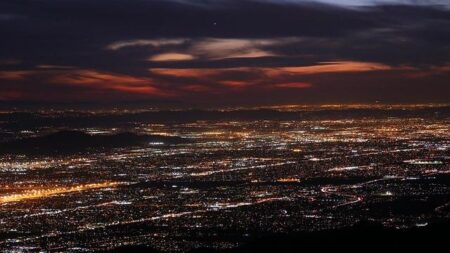
Exploring Los Angeles: A Dynamic City of History,Geography,and Culture
Past Foundations and Key Events That Molded Los Angeles
Established in 1781 by Spanish official Felipe de Neve,Los Angeles originated as a modest settlement named El Pueblo de Nuestra Señora la Reina de los Ángeles. Initially, its growth was driven by farming, livestock ranching, and its strategic location bridging the Pacific coastline with inland territories. The introduction of the Southern Pacific Railroad in 1876 marked a turning point, accelerating urban growth and positioning the city as a commercial and cultural nexus. The discovery of oil towards the end of the 19th century further propelled economic expansion, drawing a diverse influx of settlers seeking new opportunities.
Several pivotal moments have considerably influenced Los Angeles’ trajectory:
- 1903: Completion of the Los Angeles Aqueduct, securing essential water supplies to sustain urban expansion.
- 1932 & 1984: Hosting the Summer Olympic Games, elevating the city’s international profile.
- Post-World War II Era: Rapid industrial growth, especially in aerospace and entertainment sectors, cementing L.A.’s global influence.
- 1992: Social unrest following the Rodney King verdict, sparking widespread civic reflection and reforms.
| Year | Event | Importance |
|---|---|---|
| 1781 | City Founding | Establishment of a multicultural settlement |
| 1903 | Aqueduct Completion | Secured vital water resources |
| 1932 | First Olympic Games | Global recognition as a major city |
| 1940s-50s | Industrial Expansion | Growth in aerospace and entertainment industries |
| 1992 | Civil Unrest | Trigger for social and political reforms |
Geographical Features and Urban Layout of Los Angeles
Spanning roughly 503 square miles, Los Angeles presents a diverse topography that includes coastal plains, valleys, and mountain ranges. The Santa Monica Mountains form a natural boundary to the north,separating the bustling Los Angeles Basin from the inland valleys. To the northeast, the San Gabriel Mountains rise prominently, offering recreational opportunities and influencing the city’s microclimates. The Los Angeles River weaves through the metropolitan area, historically shaping settlement patterns and continuing to play an ecological role.
Understanding the city’s structure is easier when considering its main geographic zones:
- Downtown Los Angeles: The heart of commerce,culture,and government.
- Westside: Known for upscale residential neighborhoods and entertainment districts, including areas like Santa Monica and Brentwood.
- San Fernando Valley: A blend of suburban communities and industrial centers north of the Santa Monica Mountains.
- South Bay: Coastal neighborhoods that serve as gateways to the Pacific Ocean.
This varied landscape influences transportation networks, community development, and lifestyle across the city’s many neighborhoods.
Population Dynamics and Cultural Diversity in Los Angeles
Los Angeles has long been a magnet for immigrants and migrants, resulting in a richly diverse population. Since the mid-1900s, waves of newcomers from Latin America, Asia, and other parts of the world have reshaped the city’s demographic profile.Currently, Hispanic and Asian residents constitute over 60% of the population, fostering vibrant cultural districts, multilingual education systems, and a labor force that supports a wide array of industries from film production to tech startups.
Although population growth has moderated due to rising housing costs and urban density, projections suggest continued expansion. The table below highlights recent demographic shifts:
| Year | Total Population | Hispanic (%) | Asian (%) | Non-Hispanic White (%) |
|---|---|---|---|---|
| 2010 | 3.79 million | 47% | 11% | 29% |
| 2020 | 3.97 million | 48% | 13% | 25% |
| 2024 (estimate) | 4.00 million | 49% | 14% | 24% |
Key demographic characteristics include:
- Median Age: Approximately 35 years, indicating a youthful population.
- Urban Growth Areas: Concentrated in neighborhoods such as Downtown and the San Fernando Valley.
- Immigration Impact: Ongoing international migration enriches cultural diversity and economic vitality.
Climate Overview and Environmental Issues Facing Los Angeles
Los Angeles experiences a Mediterranean climate typified by warm, dry summers and mild, wetter winters. Coastal zones benefit from the Pacific Ocean’s cooling effects, while inland areas, including valleys and foothills, often endure hotter temperatures. The city’s varied terrain creates distinct microclimates, ranging from beachside breezes to mountain chill. Annual precipitation averages under 15 inches, mostly falling between November and March, contributing to the region’s semi-arid conditions.
The city grapples with several environmental challenges intensified by its sprawling urban footprint and population growth. Air quality issues persist, primarily due to vehicle emissions and industrial pollutants, leading to frequent smog alerts that impact public health. Water scarcity remains a critical concern,exacerbated by prolonged droughts and climate change,prompting aggressive conservation efforts. Additionally, wildfire threats loom large, especially in wildland-urban interface zones where dry vegetation fuels rapid fire spread. These factors underscore the importance of sustainable urban planning and emergency preparedness.
- Average Annual Temperature: Around 65°F (18°C)
- Rainfall Period: Primarily November through March
- Main Air Pollutants: Ozone and particulate matter
- Environmental Risks: Wildfires and water shortages
| Season | Temperature Range | Typical Weather Conditions |
|---|---|---|
| Winter | 50-68°F (10-20°C) | Cool with occasional rainfall |
| Spring | 58-75°F (14-24°C) | Gradually warming and dry |
| Summer | 70-90°F (21-32°C) | Hot, dry, with frequent smog episodes |
| Fall | 60-80°F (15-27°C) | Mild and dry |
Looking Ahead: The Future of Los Angeles
Los Angeles remains a vibrant symbol of historical richness and contemporary innovation.Its unique combination of cultural heritage, expansive geography, diverse population, and distinctive climate continues to influence its role as a major American metropolis. As the city navigates challenges such as environmental sustainability and housing affordability, it also embraces opportunities for growth and reinvention. For those seeking a deeper understanding of this multifaceted urban landscape, authoritative sources like Britannica provide extensive insights into Los Angeles’ ongoing story.