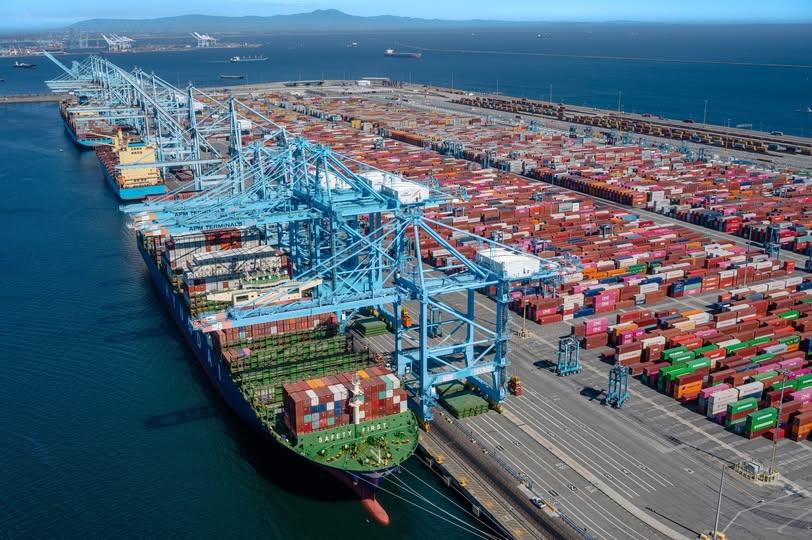
Los Angeles Port Grapples with Trade War Fallout: Navigating Operational and Economic Turbulence
Trade Tensions Trigger Severe Disruptions at Los Angeles Port
The Port of Los Angeles, a pivotal gateway for international commerce, has encountered significant operational setbacks amid the intensifying trade conflict initiated during the Trump administration.The imposition of tariffs and reciprocal trade barriers has led to a sharp decline in cargo throughput, causing extensive delays and logistical bottlenecks. Shipping companies are increasingly rerouting shipments to alternative ports or postponing deliveries, disrupting long-established supply chain patterns that once relied heavily on this West Coast hub.
Compounding these challenges are labor shortages and heightened security measures,which have extended cargo clearance times and exacerbated congestion both at the docks and on adjacent roadways. These factors collectively strain the port’s capacity to efficiently handle its usual volume of goods, impacting not only the port itself but also the broader regional economy.
Operational Metrics Reflect Decline
| Indicator | Pre-Trade War | Current Situation |
|---|---|---|
| Average Container Dwell Time | 3 days | 12 days |
| Monthly TEU Volume | 900,000 | 720,000 |
| Labor Force Availability | 85% | 63% |
Economic Consequences Ripple Through West Coast Trade Networks
The tariffs levied on imports, particularly from China, have precipitated a notable downturn in shipping activity at West Coast ports, with Los Angeles bearing a disproportionate share of the impact. The resulting decline in container volumes—approximately 15% within the first year of tariff enforcement—has forced importers and exporters to seek alternative routes or delay shipments,inflating operational costs across the supply chain.
These disruptions have led to increased storage fees, longer delivery times, and heightened uncertainty for businesses dependent on timely imports and exports. Small and medium-sized enterprises, in particular, have felt the strain, as unpredictable shipping schedules undermine their ability to meet customer demand and manage inventory effectively.
Yearly Container Volume and Delay Trends
| Year | Container Volume (Millions) | Average Cargo Delay (Days) |
|---|---|---|
| 2017 | 9.3 | 5 |
| 2018 | 7.9 | 8 |
| 2019 | 7.5 | 10 |
Calls for Policy Reform to Prevent Prolonged Economic Damage
Leaders across the maritime industry, local businesses, and labor organizations are advocating for a comprehensive reassessment of trade policies to alleviate the mounting pressures on the Port of Los Angeles. They warn that without strategic intervention, the ongoing disruptions could cascade through regional supply chains, jeopardizing employment and economic vitality in Southern California and beyond.
Stakeholders emphasize the necessity of transitioning from reactive tariff measures to a more balanced trade framework that protects commercial interests while nurturing lasting international partnerships.
Primary Concerns and Proposed Solutions
| Stakeholder Group | Key Concern | Recommended Policy Action |
|---|---|---|
| Port Authorities | Reduced cargo throughput | Streamlined trade facilitation measures |
| Local Enterprises | Supply chain interruptions | Implementation of tariff relief initiatives |
| Labor Unions | Job security threats | Enhanced workforce protection programs |
Adaptive Strategies for Ports to Overcome Trade Uncertainties
To navigate the volatile trade surroundings, ports must embrace a comprehensive strategy that combines technological innovation, market diversification, and sustainability efforts. Integrating cutting-edge logistics technologies—such as AI-powered traffic control systems and blockchain-enabled cargo tracking—can substantially improve operational clarity and responsiveness.
Expanding trade partnerships beyond customary markets to include emerging economies in Asia, Europe, and Latin America reduces vulnerability to geopolitical disruptions. Furthermore, adopting environmentally sustainable practices aligns ports with evolving regulatory standards and public expectations, while workforce development initiatives ensure labor forces are equipped to manage advanced systems and equipment.
Strategic Priorities for Enhanced Resilience
- Technology Adoption: Implementing automated customs processing to accelerate cargo clearance and minimize delays.
- Market Expansion: Cultivating diversified trade relationships to mitigate overreliance on any single region.
- Environmental Responsibility: Transitioning to green energy sources and reducing emissions to meet sustainability goals.
- Labor Empowerment: Providing continuous training to upskill workers for modern logistics challenges.
| Initiative | Expected Benefit | Estimated Timeline |
|---|---|---|
| Automated Customs Systems | Reduced processing times and congestion | 6-12 months |
| Regional Trade Alliances | Lower dependency on single markets | 1-3 years |
| Green Infrastructure Investments | Decreased environmental impact | 2-5 years |
Final Thoughts
The ongoing trade war has laid bare the vulnerabilities of critical infrastructure like the Port of Los Angeles, illustrating the extensive economic and operational repercussions of escalating tariffs. This scenario serves as a stark reminder of how geopolitical conflicts can disrupt supply chains, affect local economies, and challenge global commerce.
Looking ahead, it is imperative for policymakers and industry leaders to collaborate on crafting resilient trade strategies that balance protectionism with openness, ensuring the stability and growth of vital trade corridors in an increasingly interconnected world.