Escalating Concerns Over Book Bans Following Trump’s Conservative Commitments
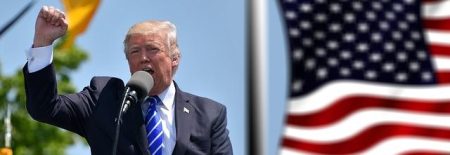
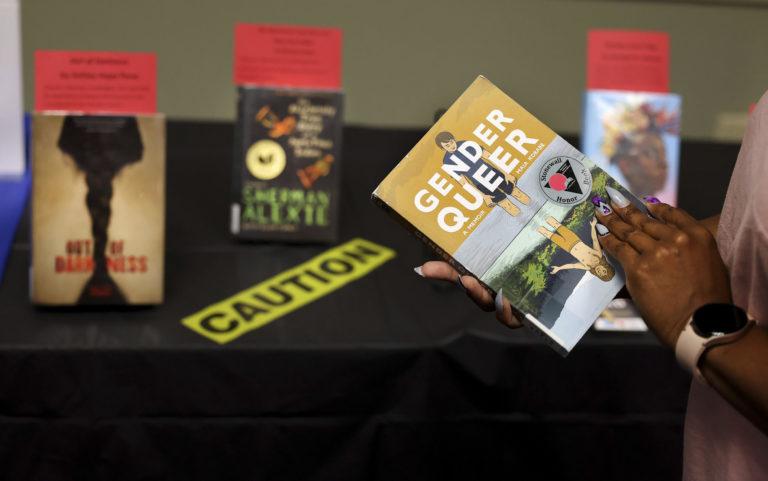
Former President Donald Trump’s recent assurances to conservative supporters have reignited fears about the possible expansion of book bans throughout U.S. educational institutions and public libraries. His vocal stance in the ongoing cultural conflict over school materials has alarmed free speech advocates, who caution that such rhetoric may encourage school districts and lawmakers to enforce more stringent censorship policies. This trend threatens to restrict access to a wide array of literary works, notably those exploring themes of race, gender identity, and sexuality, thereby limiting the educational breadth available to students.
Teachers, authors, and civil liberties groups have raised alarms about the vague and inconsistent standards used to deem books “unsuitable.” There is concern that this could lead to arbitrary removals, disproportionately silencing marginalized communities and diverse voices. Recent data highlights the growing scope of these challenges:
| Year | Number of Books Challenged | Common Grounds for Challenges | Regions Most Impacted |
|---|---|---|---|
| 2022 | 1,651 | Sexual content, Race-related issues | Southern and Midwestern states |
| 2023 | 2,389 | Gender identity, Political viewpoints | Southern and Western states |
- Legislative surge: An increasing number of states are introducing bills aimed at limiting educational content.
- Pressure on educators: Teachers face growing threats of censorship and professional repercussions.
- Community activism: Parents and advocates are mobilizing to defend intellectual freedom and diverse literature.
Educational Consequences and the Threat to Intellectual Freedom
The movement to restrict access to certain books in schools and libraries poses significant risks to intellectual freedom for both students and educators. Politically motivated efforts, often championed by conservative groups, seek to eliminate materials labeled as “controversial” or “inappropriate,” frequently targeting narratives that explore race, sexuality, and historical perspectives from underrepresented viewpoints. This censorship narrows the range of ideas students encounter, undermining their ability to think critically and engage with complex social issues.
Experts warn of broader repercussions beyond book removals:
- Educators may self-censor to avoid conflict with school administrations.
- Students’ exposure to diverse perspectives essential for empathy and social understanding diminishes.
- Academic freedom suffers, limiting innovative teaching methods and curriculum progress.
Such restrictions risk producing a generation less equipped to thrive in a diverse society, exacerbating educational disparities and weakening civic engagement.
| Area of Impact | Likely Outcome |
|---|---|
| Curriculum Versatility | Suppressed dialog on identity and social issues |
| Teacher Independence | Heightened self-censorship and diminished teaching quality |
| Student Participation | Lowered critical thinking skills and social awareness |
| Library Collections | Elimination of diverse and inclusive narratives |
Legal Resistance and Advocacy Efforts Countering Censorship
In reaction to the surge in book bans propelled by conservative political agendas, a coalition of civil rights groups and educational advocates has mobilized to defend intellectual freedom. Numerous lawsuits have been initiated across various states, challenging broad censorship laws on the grounds that they infringe upon First Amendment rights and disrupt equitable education. These legal disputes often center on protecting students’ entitlement to diverse viewpoints and preventing politically motivated suppression of educational content. Advocacy organizations are also pushing for federal oversight to curb localized censorship from escalating into a nationwide crisis.
Outside the courtroom, grassroots campaigns have emerged to raise public awareness and encourage community participation in school governance.These initiatives include:
- Educational workshops for parents emphasizing the importance of unrestricted access to diverse literature.
- Partnerships with teachers’ unions and library associations to strengthen advocacy efforts.
- Strategic social media campaigns spotlighting instances of book removals and censorship.
This multifaceted resistance combines legal action with public engagement to uphold educational integrity and constitutional protections amid mounting political pressures.
| State | Legal Initiative | Current Progress |
|---|---|---|
| California | Injunction filed against book bans | Under judicial review |
| Florida | Challenge to state curriculum restrictions | Appeal in process |
| Texas | Class action lawsuit by educators | Currently in mediation |
Community-Driven Approaches to Safeguarding Literary Diversity
Communities committed to maintaining access to a wide range of literature can adopt several effective strategies to counteract the growing wave of book bans. Forming local literary alliances that bring together educators, librarians, parents, and writers fosters a collaborative defense of intellectual freedom. These groups can host public discussions, literary festivals, and awareness campaigns that underscore the vital role of inclusive literature in promoting empathy and cultural literacy. Active engagement with school boards and library committees during policy deliberations ensures that decision-makers appreciate the importance of protecting diverse voices.
Along with grassroots efforts, leveraging digital tools enhances outreach and education.Creating extensive online platforms—featuring banned book databases, educational resources, and guides on literary freedom—empowers both adults and youth to understand the implications of censorship. The table below compares key community strategies and their potential benefits:
| Strategy | Primary Activity | Expected Outcome |
|---|---|---|
| Local Alliances | Organize forums and advocacy networks | Amplified community influence in policy decisions |
| Public Engagement | Host reading sessions and awareness drives | Heightened public support for diverse literature |
| Digital Outreach | Develop resource hubs and social media campaigns | Expanded education and swift mobilization |
Conclusion: Key Insights on the Future of Book Bans in America
As debates over educational content intensify nationwide, former President Trump’s promises to conservative constituencies suggest a potential escalation in efforts to restrict access to certain books and materials within schools. Advocates on all sides remain vigilant, recognizing that the struggle over book bans is likely to remain a pivotal and contentious issue shaping the cultural and political landscape of American education for years to come.