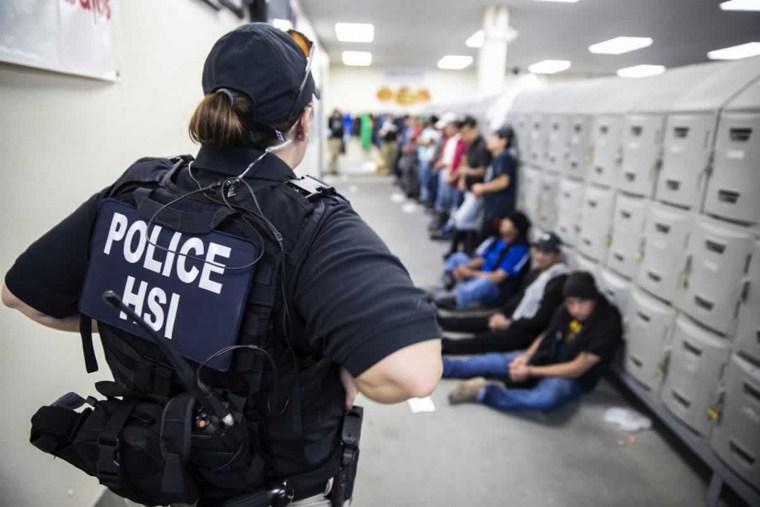
How Increased ICE Raids Are Reshaping School Environments Across America
Widespread Attendance Declines Amid Heightened Immigration Enforcement
Across numerous U.S. school districts, the recent escalation in Immigration and Customs Enforcement (ICE) activities has led to significant drops in student attendance. Families, especially those with undocumented or mixed-status members, are increasingly reluctant to send children to school due to fears of detainment or family separation. This trend disrupts not only academic progress but also the social fabric of classrooms, especially in areas with substantial immigrant populations.
Educators report that on any given day, classrooms may be missing a substantial portion of their students, which exacerbates existing educational inequities and challenges efforts to maintain consistent learning environments. The psychological toll on students is also becoming more apparent, with many exhibiting signs of stress and trauma.
- Attendance drops: Some districts have seen reductions between 12% and 35% in daily attendance.
- Academic tracking difficulties: Irregular attendance complicates assessment and progress monitoring.
- Interruption of school meal access: Many children lose access to vital nutrition provided during school hours.
| District | Attendance Decline | Estimated Students Affected |
|---|---|---|
| Chicago Public Schools | 25% | 4,800 |
| New York City DOE | 18% | 6,200 |
| San Antonio ISD | 22% | 3,100 |
Emotional Strain and Academic Setbacks Among Students
Teachers and school counselors nationwide are witnessing a surge in anxiety, depression, and disengagement among students following intensified ICE enforcement. The pervasive atmosphere of fear hampers students’ concentration and participation, leading to noticeable declines in academic performance. Many students from immigrant backgrounds are particularly vulnerable, facing emotional distress that affects their classroom behavior and learning outcomes.
School leaders are calling for increased mental health resources to address this growing crisis. Key challenges include:
- Rising absenteeism: Frequent absences disrupt continuity in learning.
- Lower standardized test results: Academic assessments reflect the negative impact of stress and instability.
- Overburdened counseling services: Demand for psychological support has more than doubled in some districts.
| Metric | Pre-Raid Levels | Post-Raid Levels |
|---|---|---|
| Average Attendance | 93% | 78% |
| Mean GPA | 3.2 | 2.7 |
| Students Receiving Counseling | 150 | 400 |
Legal Concerns Surrounding ICE Operations Near Educational Facilities
Legal experts have voiced serious apprehensions regarding ICE’s intensified enforcement actions conducted in close proximity to schools.Such operations may infringe upon students’ rights to a secure and uninterrupted educational setting. Federal guidelines generally discourage law enforcement activities near schools without prior coordination, aiming to protect children from undue distress and preserve the sanctity of learning spaces.
Concerns raised by legal professionals include:
- Procedural irregularities: Arrests lacking proper warrants or due process safeguards.
- Invasion of privacy: Unauthorized searches or surveillance on school grounds.
- Educational disruption: Interruptions to classes and the creation of a climate of fear that undermines attendance and student well-being.
| Legal Issue | Potential Outcome | Suggested Remedy |
|---|---|---|
| Unauthorized Entry | Compromise of school autonomy | Mandatory coordination with school officials |
| Intimidation of Witnesses | Heightened fear among students and staff | Establish clear protocols to minimize disruption |
| Privacy Infringement | Illegal monitoring or data collection | Strict compliance with privacy laws |
Strategies for Schools to Protect Students and Engage Authorities Responsibly
In response to the challenges posed by expanded ICE activity, schools must focus on fostering safe and supportive environments for all students. Implementing robust confidentiality policies is essential to safeguard sensitive student facts. Additionally, expanding access to culturally aware counseling services can help students navigate the emotional difficulties arising from enforcement actions.
Effective collaboration with law enforcement should be guided by clear agreements that respect the educational setting as a protected space. Recommended practices include:
| Initiative | Description | Expected Outcome |
|---|---|---|
| Appoint School Liaisons | Designate staff members to manage dialog with ICE | Ensures accurate information exchange and reduces confusion |
| Limit On-Campus Enforcement | Restrict ICE activities to off-campus locations unless legally mandated | Preserves trust and safety within schools |
| Ongoing Legal Training | Educate staff on student rights and enforcement policies | Empowers personnel to protect students effectively |
- Immediate parental notification: Inform guardians promptly if students are approached by authorities.
- Partnerships with immigrant advocacy groups: Provide families with access to legal aid and community resources.
- Resilience-building programs: Integrate mental health workshops to support student well-being.
Conclusion: Navigating the Intersection of Immigration Enforcement and Education
The intensification of ICE raids under the current governance has far-reaching consequences that extend well beyond immigration control, deeply affecting schools and their communities. Students and educators alike face unprecedented challenges as fear and uncertainty disrupt daily routines and academic progress. This evolving landscape highlights the complex relationship between immigration policy and public education, underscoring the urgent need for thoughtful approaches that protect vulnerable students while respecting legal frameworks.As enforcement actions continue, schools remain critical arenas where the broader societal impacts of immigration policies are most visibly felt.