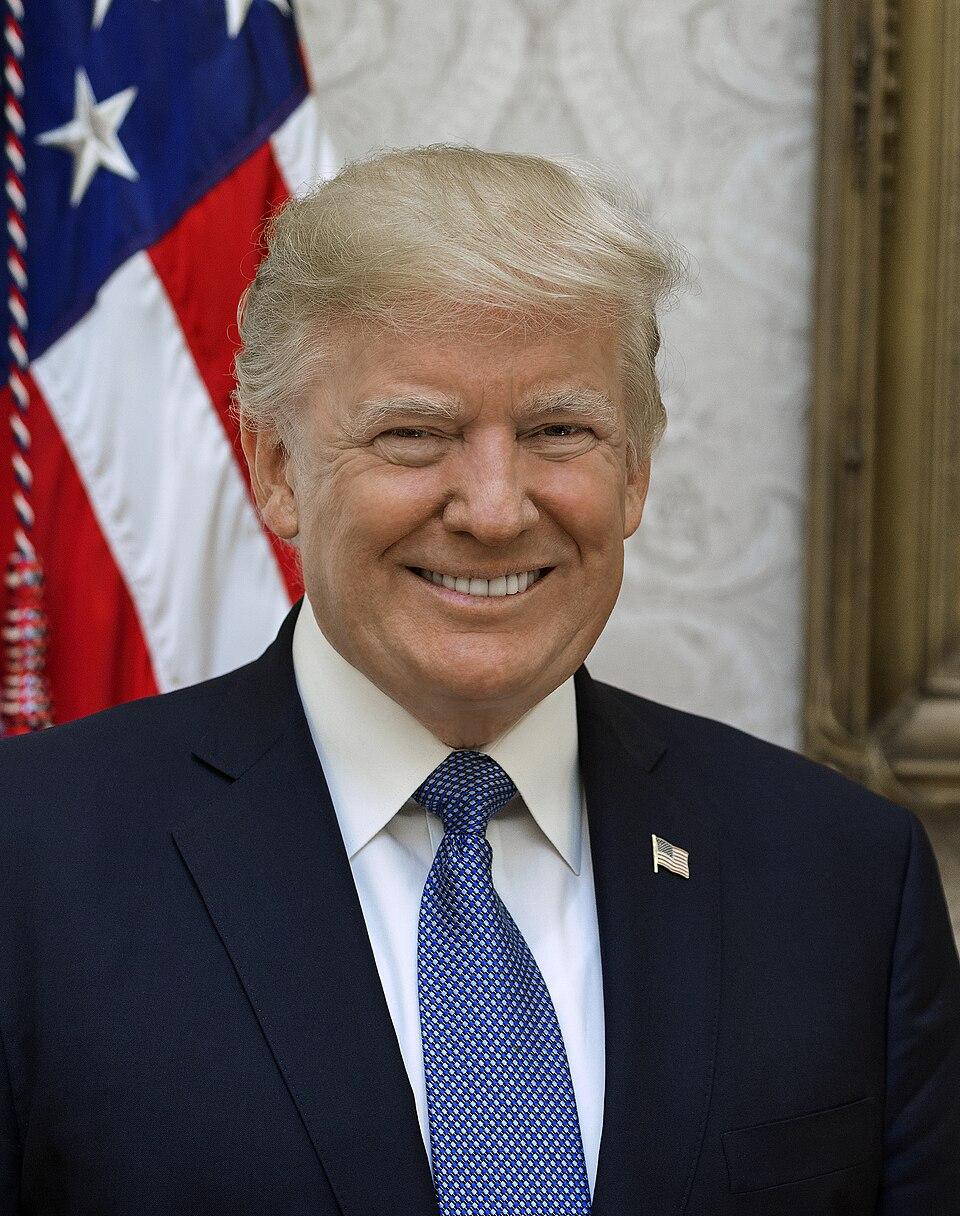
Trump Applauds Jimmy Kimmel’s Suspension as Media Relations Grow More Contentious
Former President Donald Trump has openly endorsed the recent suspension of late-night television host Jimmy Kimmel, praising the decision as a justified response to Kimmel’s critical commentary. Trump described the disciplinary action as “well-deserved” and reiterated his support for holding media personalities accountable when they cross perceived lines of fairness. This incident highlights the escalating friction between Trump and mainstream media outlets, intensifying debates around censorship, journalistic obligation, and political influence over broadcast content.
The controversy has reignited discussions about the delicate balance between protecting free speech and ensuring ethical media practices. Trump advocates for more stringent consequences against broadcasters who he believes engage in biased or unfair attacks. Media analysts warn that such a stance could pave the way for tighter regulations and reshape the standards governing political satire and commentary on television.
- Advocacy for stronger sanctions: Trump calls for increased penalties on broadcasters critical of his administration.
- Demand for media accountability: He stresses the importance of upholding higher ethical standards in political reporting.
- Potential precedent-setting: The suspension may lead to heightened scrutiny of late-night shows and their political content.
| Topic | Trump’s Perspective |
|---|---|
| Freedom of Expression | Valued but requires responsible limits |
| Ethical Journalism | Calls for stricter enforcement |
| Penalties for Broadcasters | Supports suspensions and fines |
| Public Opinion | Divided and contentious |
Examining Trump’s Tactics to Counteract Media Criticism
Donald Trump’s media strategy has evolved from mere verbal rebuttals to actively seeking regulatory and political tools to penalize broadcasters who challenge his policies or persona. By endorsing the suspension of Jimmy Kimmel—a figure known for his incisive political humor—Trump signals a broader campaign to influence media narratives through formal mechanisms. This approach includes lobbying efforts and potential legislative initiatives aimed at redefining acceptable broadcast content.
Key components of this strategy involve:
- Regulatory oversight: Pressuring the Federal Communications Commission (FCC) to scrutinize and possibly revoke licenses of networks deemed opposed.
- Legislative action: Encouraging lawmakers aligned with Trump to propose bills that limit “biased” or “unpatriotic” content.
- Shaping public discourse: Using social media and public statements to portray critical broadcasters as threats to national cohesion.
| Platform | Proposed Measures | Possible Outcomes |
|---|---|---|
| Television | License reviews,advertiser boycotts | Content suppression,financial losses |
| Radio | Monitoring,fines for violations | Restricted programming |
| Digital Streaming | New regulatory frameworks | Reduced platform autonomy |
Consequences for Press Freedom and the Evolution of Political Commentary
Trump’s backing of punitive actions against Jimmy Kimmel marks a concerning shift in the dynamics of press freedom in the United States. By endorsing sanctions against media figures critical of his administration,he challenges the media’s role as an independent watchdog and a forum for diverse political viewpoints. This trend risks increasing censorship and governmental interference,possibly undermining the pluralistic media habitat essential to democracy.
Looking ahead, political commentary may face growing constraints, with broadcasters possibly engaging in self-censorship to avoid punitive repercussions. This environment threatens the richness and authenticity of political discourse, making it imperative to reinforce protections for free expression. Critically important implications include:
- Heightened activism by press freedom organizations
- Growth of independent and alternative media platforms
- Potential reforms to strengthen legal safeguards for journalists
- Increased public education on the value of impartial political analysis
| Area | Potential Effect |
|---|---|
| Journalistic Standards | Threats to impartiality and objectivity |
| Audience Confidence | Possible decline due to perceived bias |
| Political Engagement | Less diverse public debate |
| Legal Protections | Calls for enhanced media rights |
Strategies for Media Outlets to Resist Growing Political Pressures
As political figures intensify efforts to control critical media voices, news organizations must adopt proactive measures to preserve editorial independence. Establishing stringent editorial guidelines,promoting transparency about external influences,and maintaining a clear separation between news reporting and opinion pieces are essential steps. Additionally, rigorous fact-checking remains vital to uphold credibility amid widespread misinformation campaigns.
Recommended actions for media entities include:
- Legal readiness: Collaborate with legal experts to quickly counteract censorship attempts or retaliatory lawsuits.
- Joint reporting initiatives: Form alliances with independent media organizations domestically and abroad to share resources and resist intimidation.
- Engaging audiences: Develop direct communication channels to foster loyal communities that support journalistic freedom.
- Technological safeguards: Invest in secure digital infrastructure to protect sources and ensure uninterrupted content delivery.
| Approach | Advantage |
|---|---|
| Legal Preparedness | Reduces risk of shutdowns and legal challenges |
| Collaborative Journalism | Strengthens resource sharing and collective defense |
| Audience Engagement | Builds resilient support networks against censorship |
| Technological Innovation | Ensures secure content distribution and source protection |
Conclusion
The intensifying debate over media responsibility and political influence is epitomized by former President Donald Trump’s endorsement of Jimmy Kimmel’s suspension and his advocacy for punitive actions against critical broadcasters. This situation underscores the growing strain between political leaders and the press, raising vital questions about the future of free expression and media independence in the United States. As this contentious environment unfolds, the responses of broadcasters, regulators, and policymakers will be crucial in shaping the trajectory of American journalism and political discourse.