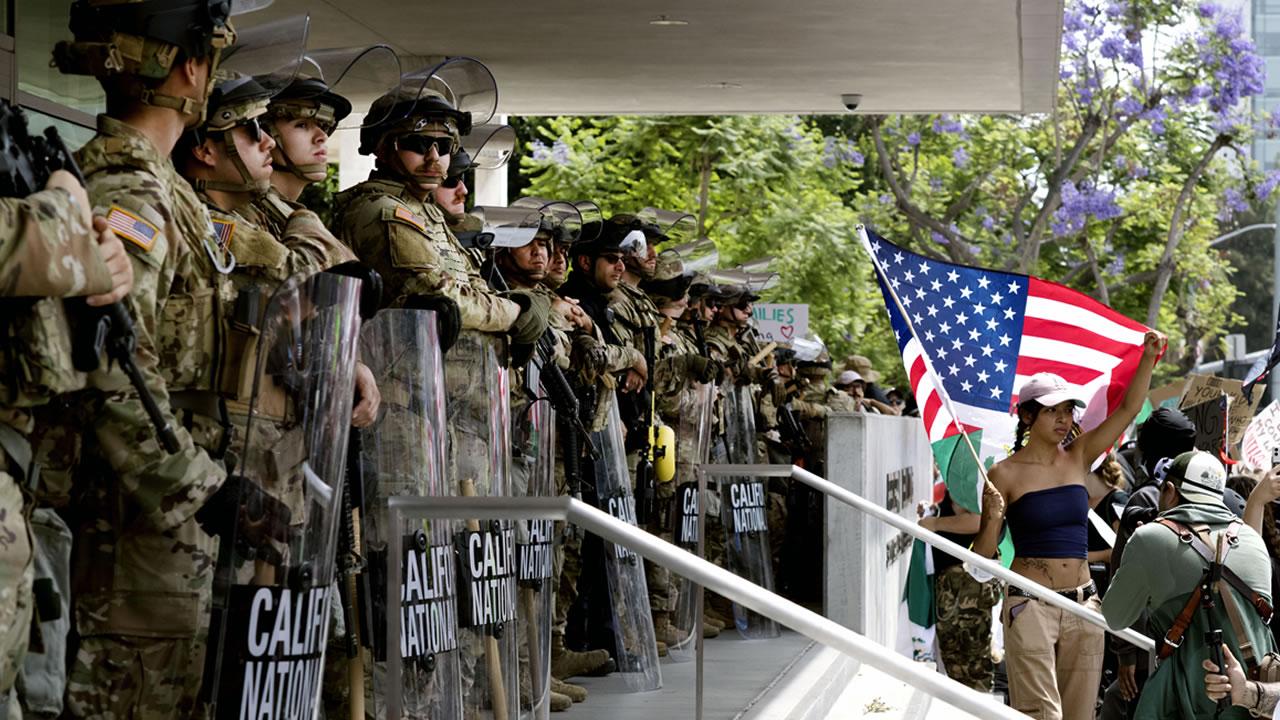
Understanding Presidential Powers to Deploy Troops in Los Angeles Amid Civil Unrest
Legal Foundations Governing Military Deployment in Urban Settings
The authority of the President to dispatch military personnel onto the streets of a major city like Los Angeles is rooted in a nuanced legal framework balancing federal power and state sovereignty. Central to this authority is the Insurrection Act of 1807, which empowers the President to intervene with armed forces when local law enforcement agencies are unable to manage widespread civil disorder or rebellion. This statute serves as a critical exception to the Posse Comitatus Act, which generally restricts the military from participating in civilian law enforcement activities.
Typically, before troops can be mobilized, the President must issue a formal proclamation demanding that unlawful actors disperse, and a request for federal assistance from the state’s governor or legislature is usually required. The deployment is subject to several key conditions:
- State Authorization: A formal appeal from state leadership is generally necessary.
- Presidential Proclamation: A public order must be declared to restore peace.
- Operational Boundaries: Military forces must adhere to strict engagement protocols to safeguard civil rights.
- Congressional Oversight: Legislative bodies maintain the authority to supervise and regulate the use and funding of such deployments.
| Legal Instrument | Primary Requirement | Restrictions |
|---|---|---|
| Insurrection Act | Presidential proclamation plus state request | Deployment limited to severe civil disturbances |
| Posse Comitatus Act | Prohibits military involvement in civilian law enforcement | Exception granted under Insurrection Act |
| National Guard | Can be activated federally or remain under state control | Governors’ authority varies by circumstance |
Complexities and Consequences of Military Deployment in Los Angeles
Introducing military forces into the urban landscape of Los Angeles presents multifaceted challenges, both legally and socially.While soldiers can offer a disciplined and swift response to emergencies, their presence risks blurring the traditional boundaries between military operations and civilian policing. This overlap can provoke constitutional debates and public apprehension, especially given the Posse Comitatus Act’s restrictions on military involvement in domestic law enforcement without explicit congressional or constitutional authorization.
Beyond legal concerns, practical issues arise, including:
- Command and Jurisdictional Challenges: Coordinating efforts between military units and local police can create confusion over authority and operational directives.
- Community Trust and Perception: Armed soldiers patrolling neighborhoods, notably those with histories of strained police relations, may exacerbate tensions and distrust.
- Impact on Military Readiness: Redirecting troops from their primary defense roles could weaken national security preparedness and create operational gaps.
| Challenge | Potential Consequence |
|---|---|
| Legal Constraints | Limits on active-duty military participation in law enforcement |
| Public Sentiment | Heightened fear or mistrust within communities |
| Operational Coordination | Ambiguity in command and interaction |
| Resource Diversion | Reduced military capacity for other missions |
Maintaining the Equilibrium Between Security and Civil Rights
Deploying military forces in metropolitan areas like Los Angeles necessitates a careful balance between enhancing public safety and protecting constitutional freedoms. While such measures can effectively deter criminal activity and restore order during crises, they also risk infringing on basic rights, including peaceful assembly and protection against unreasonable searches. To prevent abuses of power and maintain public confidence, policymakers must enforce stringent legal safeguards and oversight mechanisms.
Critical factors to consider include:
- Measured Use of Force: Military intervention should be reserved for scenarios where local law enforcement is insufficient.
- Transparency and Accountability: Comprehensive reporting and civilian oversight bodies are essential to ensure legitimacy of actions.
- Community Involvement: Engaging residents through dialog helps reduce fears and fosters cooperation between citizens and security personnel.
| Security Measure | Effect on Public Safety | Civil Liberties Consideration |
|---|---|---|
| Military Deployment | Enhances deterrence and rapid crisis response | May intimidate citizens and suppress lawful protests |
| Curfews and Roadblocks | Lower incidence of nighttime offenses | Risk of racial profiling and movement restrictions |
| Surveillance Technologies | Improves intelligence and threat detection | Raises privacy and data misuse concerns |
Recommendations for Integrated Federal and Local Coordination
For military deployments in cities like Los Angeles to be effective and respectful of civil rights, robust collaboration between federal agencies and local authorities is imperative. Establishing a centralized command center can facilitate real-time communication, intelligence sharing, and unified operational planning. This approach ensures resources are allocated efficiently while honoring jurisdictional boundaries and local governance structures, thereby minimizing tensions.
Engagement with community leaders is also vital to sustain trust and prevent confrontations. A phased deployment strategy with obvious objectives can alleviate public concerns. Utilizing National Guard units trained specifically for urban operations, in partnership with local law enforcement, can create a cohesive security presence. Key components of this strategy include:
- Joint Training Programs: Enhance interoperability between military and police forces.
- Clear Legal Guidelines: Define roles and responsibilities to avoid authority conflicts.
- Community Liaison Officers: Act as bridges between security forces and residents to address concerns.
| Strategic Component | Federal Responsibilities | Local Responsibilities |
|---|---|---|
| Command and Control | Lead operational oversight and coordination | Provide local intelligence and community context |
| Resource Management | Deploy and equip military personnel | Identify critical areas requiring support |
| Public Communication | Manage national security messaging | Handle community outreach and data dissemination |
Final Thoughts
The decision to deploy soldiers on the streets of Los Angeles involves navigating a complex legal landscape, including statutes like the Insurrection Act and the interplay between federal and state authorities. Although the President possesses considerable power to authorize such actions during exceptional circumstances, these measures are intended as a last resort and are subject to rigorous conditions and oversight. As discussions continue regarding the military’s role in domestic affairs, it remains essential to uphold civil liberties while ensuring public safety in times of crisis.