Escalating Conflict Between Protesters and Law Enforcement in Los Angeles
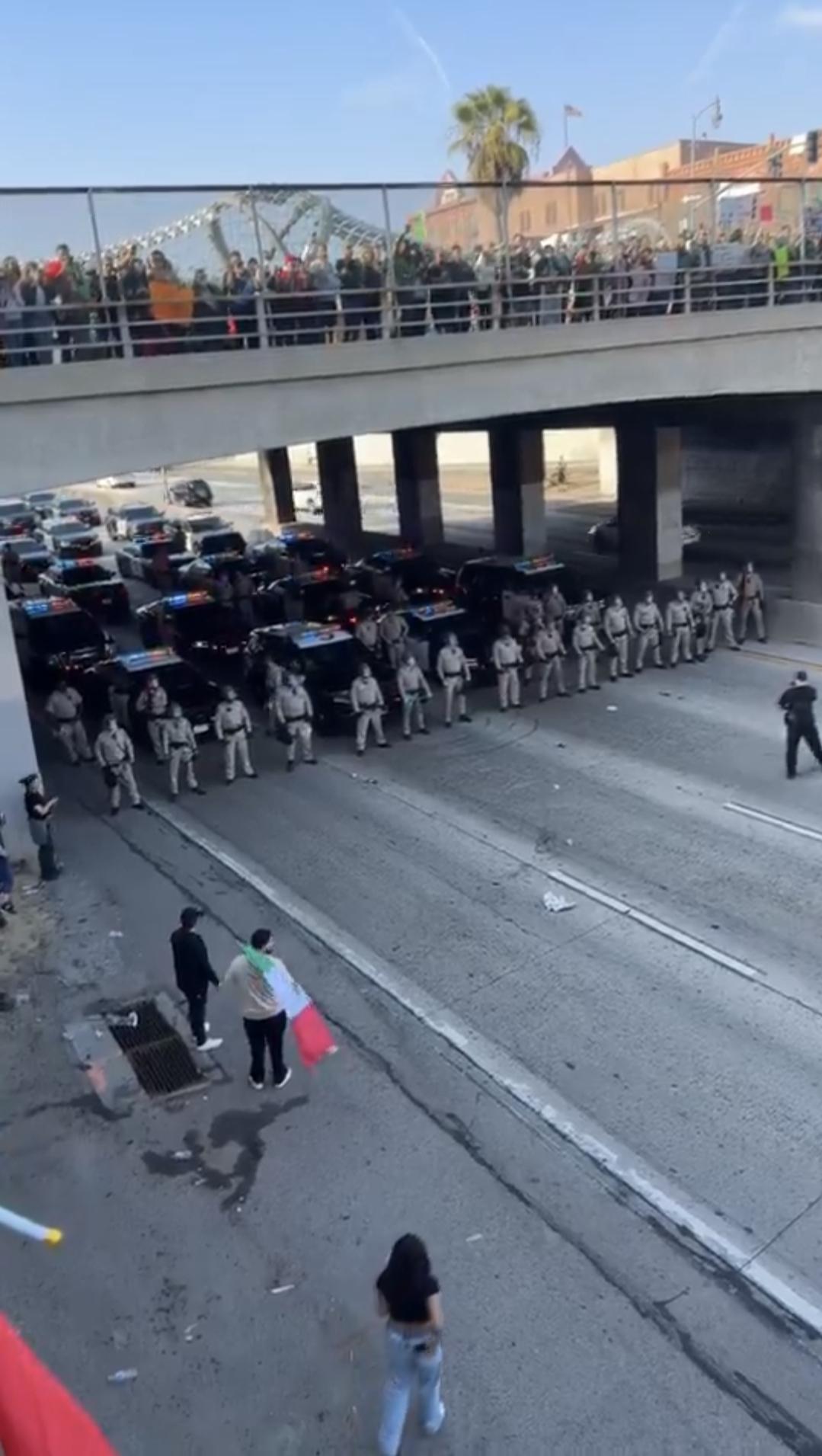
Downtown Los Angeles has become the epicenter of mounting unrest as demonstrators and police forces engage in a tense and often volatile standoff. What began as a largely peaceful protest quickly intensified when some participants attempted to push past police barricades, prompting officers to deploy crowd control tactics such as tear gas and rubber bullets. The situation remains highly charged, with ongoing clashes and numerous arrests reported. In response, authorities have bolstered their presence, instituting strategic road closures and increasing patrols to contain the disturbances.
Notable updates in the unfolding situation include:
- President Trump’s directive to double National Guard deployment, now exceeding 1,000 troops in the city
- Reports of injuries sustained by both protesters and law enforcement personnel
- Coordinated efforts between local police and federal agencies to regain control
- City officials urging restraint and encouraging peaceful interaction
| Date | National Guard Troop Deployment | Arrests Made | Estimated Number of Protesters |
|---|---|---|---|
| June 10 | 500 | 35 | 2,000 |
| June 11 | 1,000 | 78 | 3,500 |
Effects of Expanded National Guard Deployment on Safety and Civil Liberties
The surge in National Guard presence has significantly altered the protest landscape, intensifying confrontations between demonstrators and law enforcement.Officials argue that the increased troop numbers are essential for safeguarding public safety and reestablishing order. However, civil rights advocates caution that this escalation risks infringing on constitutional freedoms, notably the right to peaceful assembly. Several neighborhoods have witnessed heightened arrests and aggressive crowd control measures, sparking concerns over potential abuses of power.
Key issues raised by civil liberties groups include:
- Enhanced surveillance of protest activities, raising alarms about privacy and data misuse.
- Disproportionate enforcement in minority communities, suggesting racial profiling concerns.
- Limitations on assembly through newly imposed curfews and checkpoints, complicating lawful demonstrations.
| Impact Area | Description | Reported Incidents |
|---|---|---|
| Arrests | Marked increase in detentions during protests | 150+ |
| Use of Force | More frequent application of non-lethal tactics | 30% rise |
| Curfew Enforcement | Implementation of citywide curfews and checkpoints | Across multiple districts |
Approaches to De-escalation and Strengthening Community Relations in Conflict Areas
Addressing high-tension situations requires prioritizing communication and empathy over confrontation.Law enforcement agencies and community leaders must foster open, transparent dialog channels that allow protesters to voice their concerns without fear of reprisal. Techniques such as active listening sessions and mutually agreed-upon guidelines can ease tensions and promote collaboration. Additionally, deploying skilled mediators familiar with local social dynamics can definitely help bridge divides and channel protest energy into constructive engagement.
Successful community engagement in volatile zones involves a comprehensive strategy centered on trust and responsiveness. Effective methods include:
- Joint problem-solving initiatives involving representatives from both law enforcement and protest groups to develop practical solutions.
- Consistent public updates to keep all parties informed and counteract misinformation.
- Specialized de-escalation training for officers tailored to the cultural and social context of the affected communities.
- Leveraging local resources such as respected community leaders and organizations to facilitate peaceful dialogue.
| Method | Primary Benefit | Illustrative Example |
|---|---|---|
| Active Listening | Minimizes misunderstandings | Community town halls |
| Mediator Involvement | Enhances communication | Neutral third-party facilitators |
| De-escalation Training | Reduces violent incidents | Role-playing conflict scenarios |
| Regular Briefings | Promotes transparency | Press updates and Q&A sessions |
Policy Guidance for Balancing Security with the Right to Protest
Policymakers face the critical challenge of maintaining public order while safeguarding constitutional rights to peaceful protest. Establishing clear communication pathways between law enforcement and protest organizers can prevent misunderstandings and reduce unneeded confrontations. Incorporating de-escalation techniques into police training equips officers to manage crowds judiciously, avoiding excessive force that could inflame tensions. Moreover, adopting transparent protocols governing the use of force and National Guard deployments enhances public trust and accountability during periods of civil unrest.
To foster both security and civil liberties, policymakers should consider implementing:
- Ongoing dialogue forums that bring together community leaders and activists to address grievances proactively.
- Real-time oversight systems ensuring law enforcement actions comply with legal standards.
- Autonomous review panels tasked with evaluating incidents and recommending reforms to promote impartiality.
| Goal | Policy Action | Anticipated Result |
|---|---|---|
| Reduce Violence | Implement de-escalation training for officers | Lower rates of arrests and injuries |
| Enhance Transparency | Create public dashboards tracking deployments | Improved accountability |
| Protect Civil Rights | Deploy legal observers at protests | Preservation of constitutional freedoms |
Conclusion: Reflecting on Los Angeles Unrest and the Path Forward
The ongoing confrontations in Los Angeles reveal the profound societal fractures and challenges in balancing security with civil liberties. With the National Guard presence now doubled under President Trump’s directive, city officials are under intense pressure to quell unrest while addressing calls for justice and transparency. The coming days will be pivotal in determining whether constructive dialogue can supplant conflict and if further escalation can be avoided in one of America’s most dynamic urban centers. Our coverage will continue to provide in-depth updates as this complex story evolves.