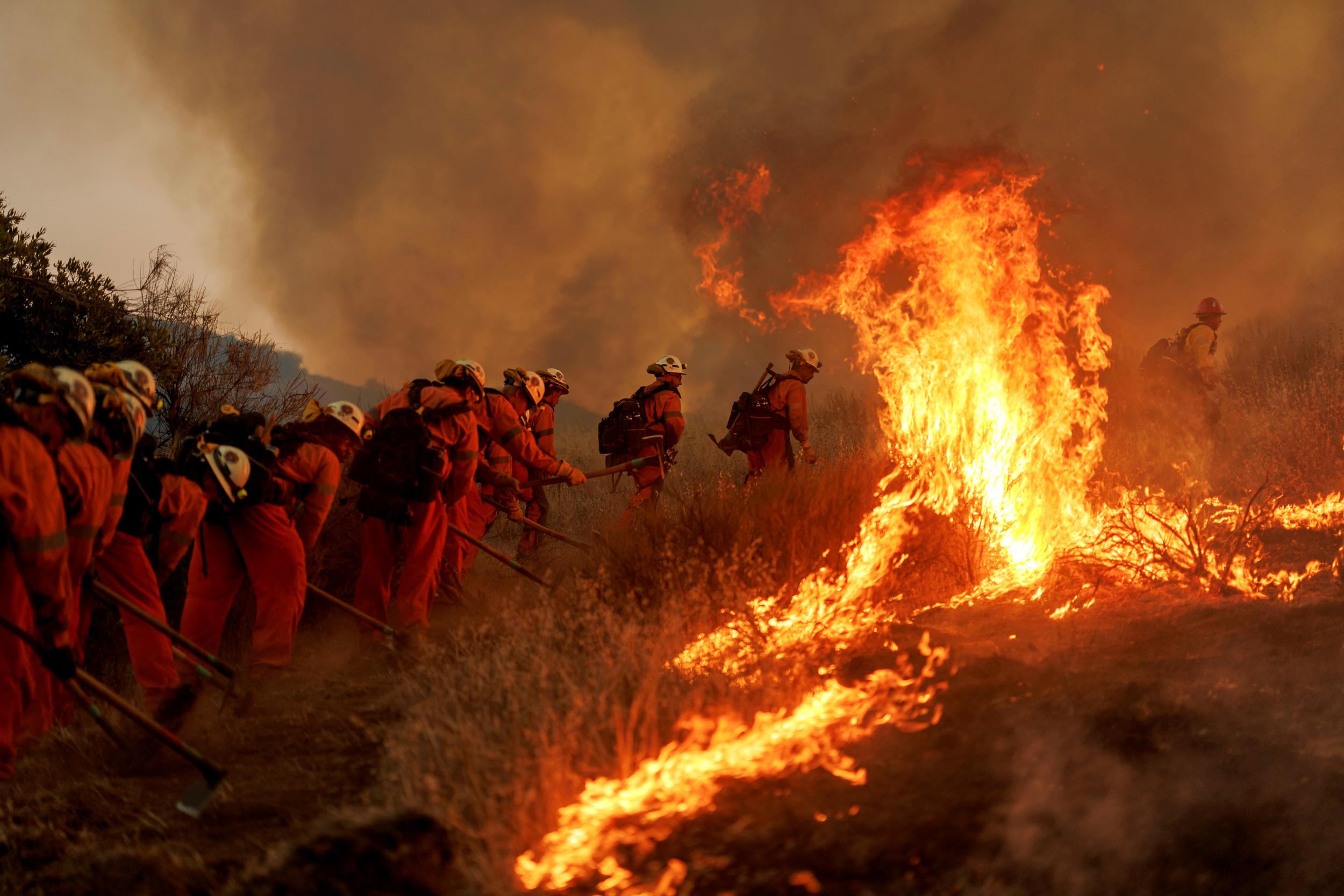
Los Angeles Wildfires: A Historic Crisis with Far-Reaching Economic and Social Consequences
Record-Breaking Financial Fallout from the Los Angeles Wildfires
The recent wildfires sweeping through Los Angeles have set a new precedent as the most financially devastating in U.S. history. Beyond the vast physical destruction, the economic repercussions are staggering, with recovery and reconstruction costs projected to soar into the tens of billions. Insurance payouts alone are anticipated to strain both local economies and federal disaster relief funds significantly. Experts caution that this event may signal a troubling trend of escalating wildfire-related expenses, fueled by climate change and the expansion of urban areas into vulnerable fire zones.
Several critical elements have driven the immense economic burden:
- Damage to Critical Infrastructure: Extensive harm to highways,electrical grids,and water supply systems has disrupted everyday activities and commerce.
- Destruction of Residential and Commercial Properties: Thousands of homes and businesses have been lost or severely impaired.
- Escalating Firefighting Expenditures: Prolonged firefighting efforts involving thousands of personnel and sophisticated equipment have significantly increased costs.
- Health Impacts from Smoke Exposure: Widespread air pollution has affected millions, leading to higher healthcare expenses.
| Category | Estimated Cost (Billions USD) |
|---|---|
| Property Damage | 13.5 |
| Infrastructure Repairs | 4.7 |
| Firefighting Operations | 3.8 |
| Health and Environmental Costs | 2.3 |
| Total | 24.3 |
Unpacking the Root Causes Behind the Rising Wildfire Expenses
The soaring costs associated with the Los Angeles wildfires stem from a combination of environmental and human factors that have intensified the fires’ severity. Chief among these is the shift in climate patterns, characterized by prolonged droughts and rising temperatures, which have created highly flammable landscapes across California. Additionally, the expansion of residential and commercial developments into wildland-urban interfaces has increased property exposure to fire risks, complicating containment efforts and inflating costs.
Emergency response complexity further amplifies the financial impact. The deployment of aerial firefighting units, ground crews, and specialized equipment escalates rapidly as fires grow. Indirect expenses, including infrastructure restoration, healthcare for smoke-related illnesses, and support for displaced populations, contribute to a multifaceted economic burden. The table below highlights the primary cost drivers:
| Cost Factor | Description | Approximate Share of Total Cost |
|---|---|---|
| Climate-Induced Vegetation Dryness | Extended drought conditions increase flammable biomass | 37% |
| Urban Development in Fire-Prone Areas | Greater property exposure and firefighting challenges | 28% |
| Fire Suppression Complexity | Intensive resource allocation and manpower demands | 26% |
| Infrastructure and Public Health | Repair costs and health impacts from smoke inhalation | 9% |
Community Displacement and the Human Cost of the Fires
The wildfires have uprooted thousands of residents, profoundly altering the social fabric of affected neighborhoods. Many families face the heartbreaking loss of their homes and personal possessions,while emergency shelters are overwhelmed by the influx of evacuees. Vulnerable groups, including seniors and low-income households, encounter important obstacles in accessing temporary housing and essential services.
Major community impacts include:
- Widespread evacuation orders disrupting daily routines and access to healthcare and education.
- Prolonged displacement periods as rebuilding efforts proceed amid uncertainty.
- Increased mental health challenges stemming from trauma and loss.
- Pressure on local aid organizations coordinating relief and recovery.
| Community | Homes Lost | Evacuated Residents | Shelter Occupancy Rate |
|---|---|---|---|
| Malibu | 1,400+ | 5,300 | 88% |
| Topanga | 850 | 3,400 | 92% |
| Pacific Palisades | 470 | 2,250 | 80% |
Proactive Measures and Policy Initiatives to Reduce Future Wildfire Risks
Addressing the growing wildfire threat requires a thorough strategy that emphasizes prevention, preparedness, and resilience. Investing in cutting-edge early warning technologies—such as satellite surveillance combined with AI-powered risk analytics—can dramatically improve detection and response times, curbing fire spread. Strengthening community readiness through detailed evacuation protocols, public education, and infrastructure enhancements is equally vital to mitigate impacts.
Policy reforms should also focus on mitigating environmental conditions that exacerbate wildfire risks. Recommended actions include:
- Implementing enduring land stewardship, including prescribed burns to manage fuel accumulation
- Increasing funding for forest ecosystem restoration and invasive species management
- Adopting stringent building regulations mandating fire-resistant construction materials
- Fostering coordinated efforts among federal, state, and local agencies for unified wildfire management
| Initiative | Expected Effectiveness | Projected Implementation Period |
|---|---|---|
| Satellite and AI Fire Detection | Very High | Short-term (1-2 years) |
| Prescribed Controlled Burns | Moderate to High | Ongoing |
| Fire-Resistant Building Codes | High | Medium-term (3-5 years) |
| Intergovernmental Coordination | Extremely High | Immediate to Short-term |
Conclusion: Navigating the Path Forward Amidst Growing Wildfire Challenges
As the Los Angeles wildfires continue to rage with unprecedented ferocity, the full scope of their human and economic toll remains uncertain but is expected to surpass initial projections.These catastrophic events highlight the escalating dangers posed by climate change and underscore the critical need for comprehensive wildfire management and emergency preparedness frameworks. For communities and policymakers alike, the journey toward recovery and resilience will be arduous, marking a defining moment in the nation’s efforts to confront increasingly severe natural disasters.