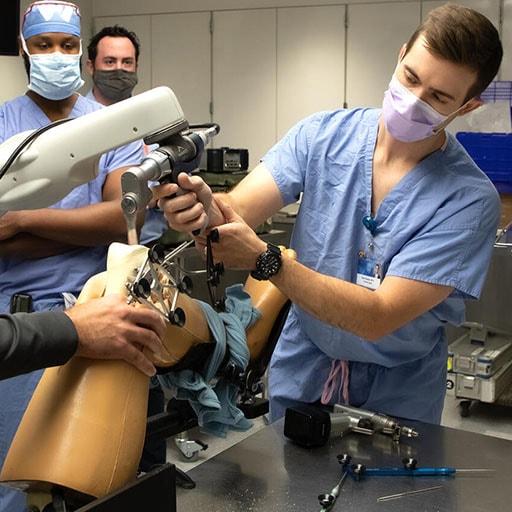
Charting the Academic Pathway to a Career in Orthopedic Surgery
Embarking on a career as an orthopedic surgeon involves more than enthusiasm for healthcare; it requires meticulous academic preparation and thoughtful planning from the outset of one’s education. This detailed guide explores the critical educational milestones and prerequisites necessary to thrive in the competitive and specialized realm of orthopedic surgery.From excelling in undergraduate science courses to navigating medical school and securing prestigious residency placements, understanding this academic trajectory is vital for those dedicated to restoring mobility and repairing the musculoskeletal system.
Building a Strong Academic Base: Core Coursework for Future Orthopedic Surgeons
Establishing a solid academic foundation is indispensable for aspiring orthopedic surgeons. Foundational courses in the life sciences—such as anatomy, physiology, biochemistry, and pathology—are essential for grasping the complexities of the human musculoskeletal system and its disorders. During undergraduate studies, students should prioritize rigorous classes in biology and chemistry to cultivate analytical thinking and problem-solving abilities crucial for medical challenges. Additionally, physics courses provide valuable insights into biomechanics, a key component in understanding movement and injury mechanisms.
Medical school further refines this knowledge through focused study of musculoskeletal anatomy and clinical rotations centered on orthopedic surgery. Electives, workshops, and research opportunities in subspecialties like trauma care, sports medicine, and pediatric orthopedics offer hands-on experience that is invaluable for skill growth. Below is a summary of essential coursework that lays the groundwork for a successful orthopedic career:
| Course | Area of Emphasis | Meaning |
|---|---|---|
| Human Anatomy | Structure of musculoskeletal system | Vital for surgical accuracy |
| Physiology | Functioning of body systems | Core medical understanding |
| Biomechanics | Mechanics of movement | Key to injury analysis and treatment |
| Orthopedic Surgery Rotation | Clinical practice exposure | Practical patient care experience |
| Pathology | Disease mechanisms | Essential for diagnosis and surgical planning |
Enhancing Medical School Applications Through Targeted Extracurricular Engagement
Engaging in extracurricular activities that showcase leadership,clinical involvement,and community commitment can significantly bolster a medical school submission. Prospective orthopedic surgeons should seek volunteer opportunities in hospitals or rehabilitation centers to gain direct patient care experience. Leadership roles in pre-medical organizations help develop teamwork and dialogue skills, traits highly valued by admissions committees. Additionally, participating in research related to musculoskeletal health or biomechanics highlights intellectual curiosity and dedication, distinguishing applicants in a competitive field.
The table below outlines key extracurricular activities, the skills they foster, and their impact on medical school applications:
| Activity | Skills Cultivated | Benefit to Application |
|---|---|---|
| Hospital Volunteering | Empathy, Patient Interaction | Demonstrates dedication to patient care |
| Orthopedic Research | Analytical Thinking, Data Interpretation | Highlights academic commitment |
| Leadership in Pre-med Societies | Leadership, Collaboration | Showcases organizational and interpersonal skills |
| Community Health Outreach | Service Orientation, Communication | Reflects social duty and initiative |
Selecting Optimal Medical Schools and Residency Programs for Orthopedic Surgery
Choosing the right medical school and residency is pivotal for those pursuing orthopedic surgery. Candidates should prioritize institutions renowned for their research in musculoskeletal medicine and those offering extensive clinical exposure. Programs affiliated with leading hospitals and staffed by distinguished faculty provide invaluable hands-on training.Furthermore, residency programs that foster interdisciplinary collaboration—integrating radiology, physical therapy, and biomedical engineering—prepare surgeons for the evolving landscape of orthopedic care.
Important considerations when evaluating programs include:
- Accreditation status and institutional reputation
- Diversity and volume of orthopedic cases managed
- Availability of mentorship and career development resources
- Graduate success rates in board certification and fellowship placements
| Residency Program | Completion Rate | Orthopedic Board Pass Rate | Research Opportunities |
|---|---|---|---|
| Johns Hopkins University | 98% | 95% | Extensive |
| Mayo Clinic | 97% | 92% | Moderate |
| Stanford University | 96% | 93% | Extensive |
| University of Pennsylvania | 95% | 90% | Moderate |
Excelling in Clinical Rotations and Advancing Through Research in Orthopedics
Success during clinical rotations requires proactive engagement beyond mere attendance. Aspiring orthopedic surgeons should seek diverse experiences across subspecialties such as sports medicine, trauma, spine surgery, and pediatric orthopedics to develop a extensive skill set. Taking initiative by volunteering for complex cases and participating in multidisciplinary team discussions enhances learning and visibility among mentors.
Simultaneously, involvement in research projects significantly strengthens a candidate’s profile. Focusing on studies with tangible outcomes—such as clinical trials or patient outcome analyses—can lead to presentations at professional conferences and publications in respected journals. Key research areas with high impact in orthopedics include:
- Innovations in biomechanics and implant design
- Regenerative therapies including stem cell applications
- Patient-reported outcome measures and quality of life studies
- Development of minimally invasive surgical techniques
| Clinical Rotation Focus | Suggested Research Topics |
|---|---|
| Trauma | Outcomes of fracture healing methods |
| Sports Medicine | Advancements in ligament reconstruction |
| Spine Surgery | Techniques in minimally invasive procedures |
| Pediatric Orthopedics | Studies on growth plate injuries and treatments |
Conclusion: Navigating the Rigorous Journey to Orthopedic Surgery
Becoming an orthopedic surgeon entails a demanding and focused academic and clinical journey, beginning with a strong undergraduate foundation, excelling through medical school, and completing specialized residency training. Commitment to lifelong learning and hands-on experience is essential to mastering the intricate skills required in this challenging specialty. By adhering to the high standards and strategic steps outlined here, future orthopedic surgeons can confidently navigate their path toward a rewarding and impactful career in musculoskeletal medicine.