Chicago’s Massive Surveillance Initiative: Navigating Crime Control and Privacy Challenges
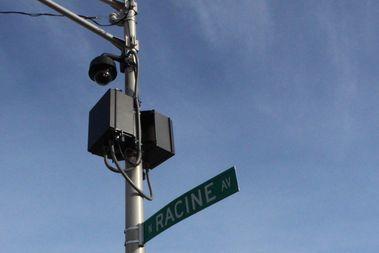
In 2018, Chicago launched an ambitious project to combat its enduring crime issues by installing an extensive network of over 30,000 surveillance cameras throughout the city. This large-scale integration of both public and private video monitoring systems, highlighted in investigative reports, has sparked a multifaceted discussion about its effectiveness, privacy ramifications, and societal consequences. As the city confronts persistent violence, this technological approach offers a revealing case study on the balance between security, civil rights, and community trust in one of America’s largest urban centers.
Expanding Surveillance in Chicago: Privacy Implications and Public Debate
The deployment of tens of thousands of cameras across Chicago has ignited significant discourse among residents, civil rights groups, and government officials. Advocates emphasize that this thorough surveillance grid is designed to deter criminal behavior and equip law enforcement with vital evidence to expedite the resolution of violent offenses. Conversely, opponents caution that such widespread monitoring risks creating an omnipresent surveillance state, potentially infringing on individual freedoms and disproportionately impacting marginalized communities.
Key privacy concerns fueling this debate include:
- Unclear Data Retention Practices: Ambiguities remain regarding how long video footage is stored and who is authorized to access it.
- Use of Facial Recognition: The possible incorporation of facial recognition technology raises alarms about mass surveillance and racial profiling.
- Effect on Daily Life: Residents express unease about constant observation altering their sense of personal freedom and community dynamics.
| Concern | Potential Consequence | Suggested Remedies |
|---|---|---|
| Privacy | Encroachment on personal autonomy | Establish explicit data governance policies and independent oversight |
| Security | Vulnerability to cyberattacks and unauthorized data breaches | Implement robust cybersecurity protocols and regular vulnerability assessments |
| Transparency | Public mistrust due to opaque operations | Mandate frequent public disclosures and independent audits |
How Surveillance Cameras Enhance Crime Detection and Police Efficiency
The vast camera network in Chicago serves as a critical asset for law enforcement, providing continuous, real-time video feeds that enable rapid identification and tracking of suspects during ongoing incidents. Beyond passive monitoring, the system leverages advanced video analytics to support strategic deployment of police resources, improving response times and operational effectiveness.
- Faster Suspect Identification: Immediate access to live and archived footage accelerates the apprehension of offenders.
- Improved Evidence Quality: High-resolution recordings strengthen investigative findings and courtroom presentations.
- Deterrence Effect: The visible presence of cameras discourages criminal activity in high-risk areas.
Nevertheless, the integration of such an expansive surveillance infrastructure necessitates ongoing evaluation to address privacy concerns and optimize data management. The Chicago Police Department continues to refine its protocols to ensure responsible use of footage and maximize public safety benefits.
| Advantage | Observed Outcome |
|---|---|
| Crime Clearance Rate | Approximately 15% increase following camera deployment |
| Police Response Time | Average reduction of 20% in emergency response intervals |
| Community Confidence | Enhanced public trust in surveillance-supported policing |
| Resource Allocation | More efficient patrol unit deployment based on real-time data |
Striking a Balance: Security Gains Versus Civil Liberties and Community Trust
While Chicago’s surveillance expansion offers tangible security advantages, it also presents a delicate balancing act between enhancing public safety and safeguarding individual rights. Community advocates stress that surveillance should augment—not replace—efforts to build trust and foster positive relationships between law enforcement and residents. Obvious policies regarding camera placement, data usage, and access are essential to maintaining public confidence and preventing abuses.
Privacy proponents call for rigorous safeguards, including well-defined data retention limits and strict access controls, to mitigate risks of overreach and discriminatory targeting. Without these protections, vulnerable groups may experience heightened surveillance pressures, potentially deepening mistrust and social divides. Constructive dialog with community stakeholders and ethical scrutiny must guide any further expansion of surveillance technologies.
- Security Advantages: Real-time monitoring, expedited investigations, and crime deterrence.
- Community Concerns: Privacy violations, risk of profiling, erosion of trust.
- Necessary Safeguards: Transparent data policies, restricted access, and independent oversight.
Guidelines for Transparent Surveillance Practices and Oversight
To harness surveillance technology effectively while respecting civil liberties,transparency and accountability must be foundational principles.This involves openly sharing data about camera locations,capabilities,and data management policies with the public. Creating independent oversight bodies that include community representatives can enhance accountability and provide a platform for addressing privacy concerns and potential misuse.
Essential components for transparent surveillance governance include:
- Regular Public Reporting: Issuing comprehensive updates on system operations, data requests, and outcomes derived from surveillance.
- Defined Data Policies: Setting clear parameters for footage retention duration and access permissions to prevent unauthorized use.
- Community Involvement: Hosting forums and workshops to engage residents in discussions about surveillance impacts and policies.
- Independent Audits: Conducting periodic reviews by external entities to ensure compliance with legal and ethical standards.
| Oversight Element | Objective | Review Frequency |
|---|---|---|
| Transparency Reports | Inform public on usage and effectiveness | Quarterly |
| Data Retention Audits | Verify adherence to privacy standards | Annually |
| Community Oversight Sessions | Gather feedback and address concerns | Biannually |
Conclusion: The Future of Surveillance and Public Safety in Chicago
As Chicago continues to confront its crime challenges, the deployment of an expansive surveillance camera network represents a significant evolution in its public safety strategy. While this technological approach offers promising improvements in crime monitoring and law enforcement responsiveness, it also raises critical questions about privacy, equity, and the limits of surveillance as a standalone solution.
The ongoing dialogue surrounding Chicago’s camera system highlights the complexity of urban crime prevention, which requires not only innovative tools but also comprehensive social, economic, and community-driven initiatives. Ultimately,the success of this surveillance infrastructure will be measured not only by arrest statistics or footage reviewed but by its ability to foster safer neighborhoods and strengthen trust between the city’s residents and those sworn to protect them.