Addressing the Digital Divide: Challenges and Solutions for Low-Income Families in U.S.Education
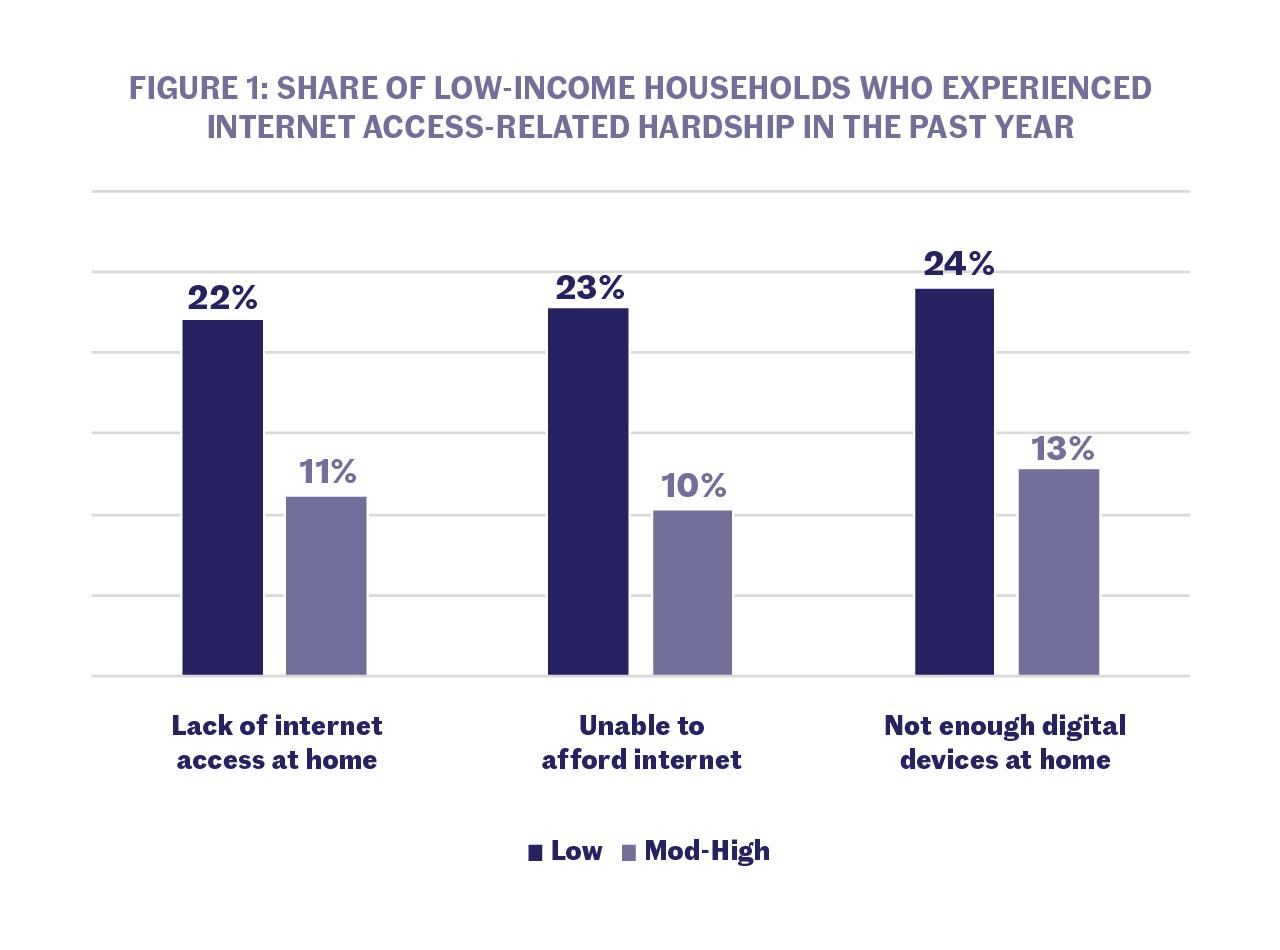
A recent Pew Research Center report reveals that a meaningful portion of U.S. parents from lower-income households—approximately 59%—are concerned about their children’s ability to access the digital tools essential for academic success. This statistic highlights the ongoing struggle with digital inequity as schools increasingly depend on technology for instruction. The persistent gap in internet connectivity and device availability threatens to exacerbate educational disparities, making it imperative to understand and address these challenges.
Unequal Digital Access: A Barrier for Economically Disadvantaged Students
Reliable internet service and access to functional digital devices remain elusive for many families with limited financial resources. This lack of access directly impacts students’ capacity to complete assignments and participate fully in digital learning environments. The digital divide, intensified by the shift toward online education during and after the pandemic, continues to hinder equitable learning opportunities.
Common obstacles faced by these families include:
- Intermittent or no internet connectivity
- Insufficient number of devices per household member
- Limited familiarity with digital platforms among students and caregivers
- Overcrowded living spaces that impede focused study
To combat these issues, educators and policymakers are exploring several targeted approaches:
- Investing in affordable, high-speed broadband infrastructure, especially in rural and underserved urban areas
- Implementing device lending programs through schools to ensure every student has access to a laptop or tablet at home
- Providing digital literacy workshops for families to enhance their comfort and proficiency with educational technology
| Challenge | Effect on Learning | Proposed Solution |
|---|---|---|
| Unstable Internet | Frequent disruptions during lessons | Community Wi-Fi hubs and subsidized broadband |
| Device Shortage | Multiple children sharing one device | School-based device loan programs |
| Digital Literacy Deficits | Difficulty navigating learning platforms | Family-focused technology training sessions |
How Technology Gaps Affect Academic Achievement
Students without dependable access to digital resources face significant hurdles in keeping pace with their peers. Teachers frequently observe reduced engagement,late assignment submissions,and limited participation in interactive lessons among students lacking adequate technology. These challenges disproportionately impact children from low-income families, further widening the achievement gap.
Key factors contributing to these academic difficulties include:
- Unreliable or absent internet connections
- Outdated or malfunctioning devices
- Absence of quiet, dedicated study areas
- Limited access to supplementary digital learning materials and tutoring
| Barrier | Academic Impact |
|---|---|
| Internet Connectivity | Missed live instruction and slow content loading |
| Device Quality | Interrupted study time and software incompatibility |
| Learning Environment | Increased distractions and difficulty focusing |
| Resource Availability | Lower engagement and fewer opportunities for skill development |
Remote Learning Obstacles in Low-Income Households
Beyond technology, several additional factors complicate remote learning for students in economically disadvantaged homes. Overcrowding, shared devices among siblings, and parents’ work schedules frequently enough limit students’ ability to dedicate uninterrupted time to schoolwork. Moreover, many families lack the technical support necessary to troubleshoot issues or navigate new educational platforms.
Recent surveys indicate the following challenges reported by parents in these communities:
- 45% report unreliable or no internet access
- 38% cite insufficient devices for all children
- 27% lack technical knowledge to support their children
- 22% experience device sharing among siblings, reducing individual learning time
| Reported Barrier | Percentage of Concerned Parents |
|---|---|
| Internet Access Problems | 45% |
| Device Insufficiency | 38% |
| Technical Support Deficiency | 27% |
| Device Sharing Among Children | 22% |
Effective Approaches to Narrow the Digital Divide
Closing the digital gap demands thorough strategies that address both infrastructure and user support. Expanding broadband coverage through collaborations between government entities and private companies is critical to reaching underserved populations. Concurrently, distributing affordable or loaned devices ensures students have the necessary hardware to participate fully in digital learning.
Equally vital are initiatives that enhance digital literacy. Schools are increasingly offering training programs for students and parents to build confidence in using online educational tools. Community centers and after-school programs also play a vital role by providing ongoing technical assistance and hands-on support.
| Intervention | Expected Outcome | Primary Beneficiaries |
|---|---|---|
| Broadband Infrastructure Expansion | Improved internet connectivity | Rural and low-income urban families |
| Device Loan and Distribution Programs | Increased access to technology | Students lacking personal devices |
| Digital Literacy Education | Enhanced ability to use online platforms | Students and their families |
| Community-Based Tech Support | Continuous assistance and troubleshooting | Families needing guidance |
Final Thoughts: Ensuring Equitable Digital Learning Opportunities
As digital education becomes a cornerstone of modern schooling, the concerns voiced by nearly 60% of lower-income parents highlight a pressing equity issue. Bridging the digital divide is essential to guarantee that all students, regardless of socioeconomic status, have the tools and support necessary to thrive academically. Success in this endeavor requires coordinated efforts among policymakers, educators, and community organizations to deliver comprehensive solutions that foster equal access and chance in an increasingly digital world.