US Amplifies Security Measures Amid Strikes on Iranian Nuclear Sites: Regional Impact and Strategic Responses
US Boosts Military Alertness in Response to Attacks on Iran’s Nuclear Infrastructure
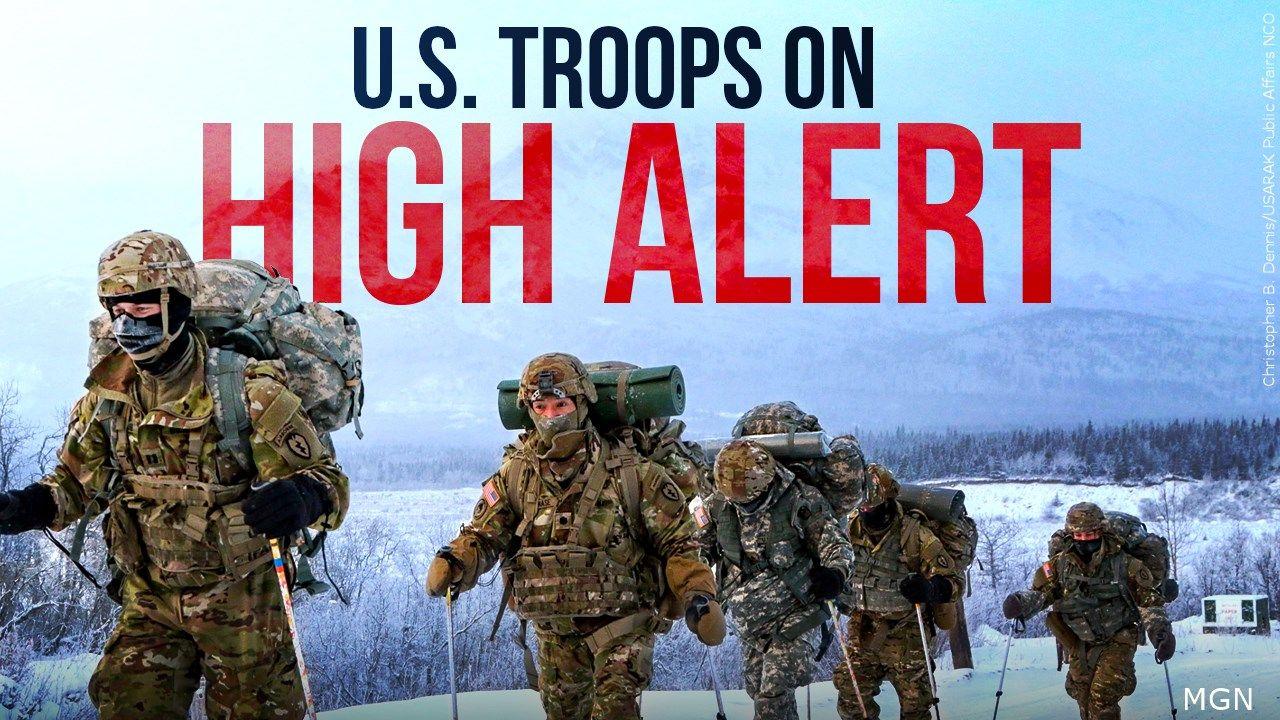
In reaction to recent assaults on Iran’s nuclear facilities, the United States has intensified its military preparedness across key installations in the Middle East. Commanders have activated heightened surveillance operations and rapid deployment protocols designed to prevent further hostilities and maintain regional equilibrium. Collaborative efforts with allied nations have led to an increased naval footprint and expanded aerial patrols in the strategically vital Persian Gulf area.
Alongside these military adjustments, political discourse has grown more assertive. Former President Donald Trump has publicly endorsed a more aggressive policy, including advocating for regime change in Tehran, which adds complexity to an already fragile geopolitical environment. Below is a summary of the current US military stance and political dynamics:
| Focus Area | Current Status |
|---|---|
| Military Alert Level | Heightened with rapid reaction forces on standby |
| Regional Force Deployment | Augmented naval assets in Persian Gulf waters |
| Political Messaging | Calls for intensified sanctions and regime overhaul |
| Diplomatic Initiatives | Ongoing discreet negotiations to prevent escalation |
- Deployment of advanced surveillance drones to secure critical airspace.
- Special Operations units placed on high alert for rapid deployment.
- Strengthened cybersecurity frameworks to counter potential retaliatory cyberattacks.
- Government officials stress vigilance while urging restraint to avoid premature conflict escalation.
Regional Repercussions and Possible Escalation Pathways
The strikes on Iran’s nuclear sites have reverberated throughout the Middle East, stirring a complex array of reactions that could reshape regional alliances. Nations such as Iraq, Syria, and Lebanon have voiced varying concerns, with some factions advocating for immediate countermeasures. Iran’s capacity to mobilize proxy groups—including Hezbollah and militias in Iraq—raises the stakes for potential conflict escalation. This volatile environment presents multiple scenarios that US strategists and regional partners must carefully navigate.
Key escalation risks include:
- Missile and drone offensives by Houthi forces targeting Saudi Arabia and the UAE as acts of reprisal.
- Intensified cyberattacks aimed at critical infrastructure across the Gulf region.
- Proxy militia assaults against US military personnel stationed in Iraq and Syria.
- Enhanced security cooperation among Gulf Cooperation Council (GCC) members to counteract aggression.
| Country | Current Position | Threat Level |
|---|---|---|
| Iraq | Government urges calm; cautious stance | High |
| Lebanon | Hezbollah increasing readiness | Critical |
| Saudi Arabia | Upgrading air defense systems | Elevated |
| United Arab Emirates | Boosting intelligence collaboration | Moderate |
Insights from Security Analysts on Diplomatic and Military Strategies
Experts underline that the recent attacks on Iran’s nuclear infrastructure represent a pivotal escalation, compelling a multifaceted response blending diplomacy and defense. Analysts stress the importance of balancing firm deterrence with diplomatic engagement to prevent a broader conflict. Key strategic considerations include:
- Strengthening intelligence-sharing networks among Middle Eastern and Western allies to enhance situational awareness.
- Expanding diplomatic outreach to Iran through confidential channels aimed at reducing retaliatory risks.
- Deploying additional missile defense systems to safeguard critical assets in the Gulf region.
Military strategists caution that pursuing regime change, as suggested by former President Trump, could destabilize an already fragile region. Many experts advocate for a measured approach prioritizing containment and international unity, combining targeted sanctions with diplomatic pressure.
| Response Category | Proposed Measures | Anticipated Results |
|---|---|---|
| Diplomatic | Revitalized negotiations; extension of sanctions | Reduction of tensions; leverage through economic means |
| Military | Augmented regional deployments; defense system enhancements | Deterrence of attacks; protection of strategic interests |
| Intelligence | Expanded surveillance; covert operations | Early identification of threats; strategic advantage |
Strategic Recommendations for US Policy to Mitigate Conflict and Protect Interests
In light of the recent attacks on Iranian nuclear sites, it is imperative for the United States to adopt a carefully calibrated strategy aimed at reducing regional volatility while safeguarding national security goals.Central to this approach is the reinforcement of diplomatic engagement—both direct and multilateral—with Iran and its regional allies. Utilizing discreet interaction channels and trusted intermediaries can help defuse immediate tensions and promote dialog on nuclear nonproliferation without escalating to open warfare. Simultaneously, the US should collaborate closely with European, Gulf, and Asian partners to present a cohesive front that combines diplomatic pressure with economic incentives, isolating aggressive actors while encouraging Iran to reconsider its nuclear ambitions peacefully.
Additional strategic actions recommended include:
- Expanded intelligence cooperation: Deepen partnerships with regional and global intelligence agencies to anticipate and prevent escalatory moves.
- Precision-targeted sanctions: Focus economic penalties on Iran’s military and nuclear sectors, minimizing harm to civilian populations.
- Maintaining a credible military deterrent: Sustain a visible yet non-provocative presence capable of rapid response in critical hotspots.
- Support for regional stability initiatives: Enhance diplomatic and humanitarian efforts to stabilize neighboring countries vulnerable to conflict spillover.
| Policy Area | Recommended Action | Expected Impact |
|---|---|---|
| Diplomatic Engagement | Resume JCPOA negotiations with international partners | Mitigate nuclear proliferation risks |
| Military Preparedness | Maintain robust regional force presence | Deter immediate threats |
| Economic Sanctions | Implement targeted, smart sanctions | Pressure regime without humanitarian fallout |
| Regional Cooperation | Enhance Gulf security alliances | Prevent conflict spillover |
Conclusion: Navigating a Delicate Geopolitical Landscape
As tensions mount following the attacks on Iran’s nuclear facilities, the United States remains vigilant, closely tracking developments across the Middle East.Former President Donald Trump’s calls for regime change underscore the precarious nature of US-Iran relations. Experts and policymakers alike emphasize the necessity of prudent diplomacy to avoid exacerbating conflict risks. Ongoing monitoring and adaptive strategies will be essential as the situation evolves.