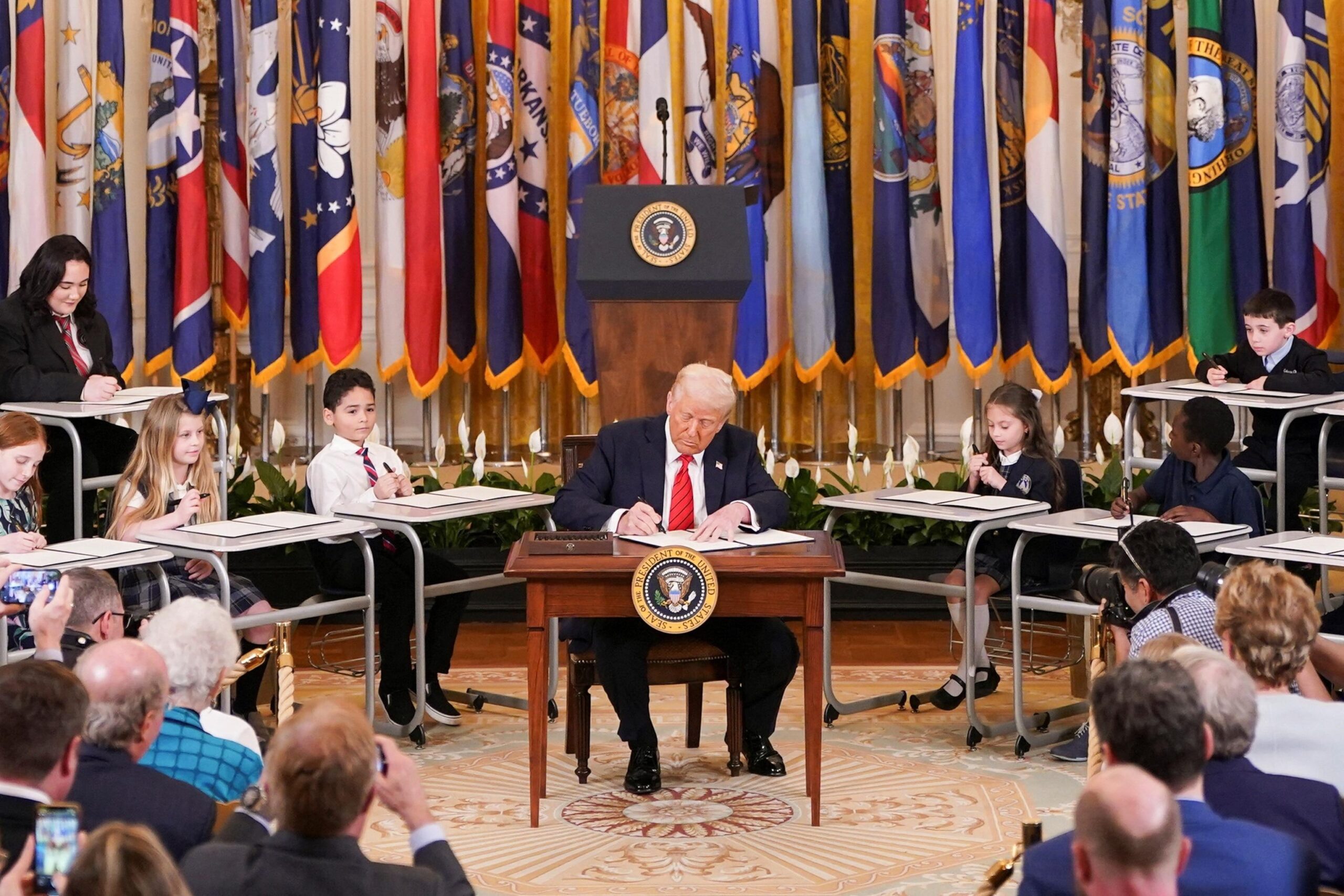
Redefining Federal Education Policy: Trump Administration’s Plans to Reshape the Department of Education
The Trump administration is initiating a significant transformation of the U.S. Department of Education, aiming to curtail its size and influence. According to recent reports,this restructuring could drastically alter the landscape of federal education funding,particularly affecting programs that provide financial assistance to students and promote educational equity. This shift raises pressing concerns about the federal government’s role in supporting marginalized populations and ensuring equitable access to quality education nationwide.
Central to this overhaul is a strategy to decentralize authority, granting states and local school districts greater autonomy over educational decisions. While proponents argue this could foster innovation and efficiency, critics caution that it may result in substantial reductions to vital programs, especially those that assist low-income and minority students. The potential contraction of these initiatives threatens to exacerbate existing disparities in educational outcomes.
Budgetary Revisions and Their Implications for Education Funding
The proposed budget adjustments include several contentious elements that could redefine the department’s priorities and resource distribution. Key aspects under review involve:
- Cutbacks in Pell Grant allocations: This could restrict higher education opportunities for economically disadvantaged students.
- Reduction of Title I funding: These grants are crucial for supporting schools serving high numbers of low-income children.
- Restructuring departmental divisions: Intended to enhance operational efficiency but may lead to workforce reductions and program eliminations.
| Program | Current Funding | Proposed Adjustment |
|---|---|---|
| Pell Grants | $30 billion | 15% reduction proposed |
| Title I Grants | $15 billion | 20% funding cut suggested |
| Department Staff | Approximately 6,700 employees | Anticipated layoffs and downsizing |
Federal Financial Aid Programs Face an Uncertain Future Amid Policy Changes
The administration’s policy proposals signal a thorough reorganization of federal financial aid mechanisms, sparking apprehension among education experts. With millions of students relying on aid such as Pell Grants and subsidized loans, any reduction or tightening of eligibility could significantly hinder college affordability and access.
Areas most vulnerable to change include:
- Equity-driven grants targeting underserved populations
- Federal student loan programs, which may face stricter lending standards
- Administrative shifts that could weaken borrower protections and oversight
| Program | Current Role | Potential Consequences |
|---|---|---|
| Pell Grants | Primary aid for low-income college students | Funding instability and possible eligibility restrictions |
| Equity Grants | Support for minority-serving institutions and disadvantaged schools | Risk of significant funding cuts or elimination |
| Federal Student Loans | Widely utilized by undergraduate students | Anticipated tightening of lending criteria |
Equity Grants at Risk: Potential Setbacks for Marginalized Student Populations
Recent policy shifts suggest a possible rollback of equity grant funding, a growth that has alarmed advocates for students from historically underserved backgrounds. These grants have played a pivotal role in narrowing achievement gaps by financing programs that improve access, retention, and graduation rates for low-income, minority, and first-generation college students.
Experts highlight that equity grants extend beyond financial aid, supporting initiatives that tackle systemic challenges such as:
- Customized academic support and tutoring services
- Development of culturally responsive curricula
- Mentorship programs tailored to diverse student needs
- Provision of technology for remote and hybrid learning models
| Student Demographic | Grant Benefits | Risks if Funding Reduced |
|---|---|---|
| Low-income Students | Enhanced access to scholarships and academic resources | Lower retention and graduation rates without support |
| Minority Students | Programs fostering inclusive and supportive learning environments | Widening of achievement disparities |
| First-generation College Students | Guidance and mentoring for college navigation | Decreased graduation success |
Calls for Transparent Evaluation and Preservation of Essential Education Funding
In light of the proposed budget cuts and departmental restructuring, education policy experts and advocates emphasize the necessity for an open and thorough review process. They argue that safeguarding critical funding streams is vital not only for individual student achievement but also for sustaining the country’s global competitiveness.
Priority protection is urged for programs that serve as lifelines to vulnerable populations, including:
- Equity grants supporting under-resourced school districts
- Federal financial aid packages that enhance college affordability
- Initiatives dedicated to special education and inclusive learning environments
| Program | Annual Budget | Focus Area |
|---|---|---|
| Title I Grants | $15 billion | Support for schools serving low-income students |
| Pell Grants | $30 billion | Financial aid for college students |
| IDEA Funding | $12 billion | Special education services |
Conclusion: Navigating the Future of Federal Education Support
As the Trump administration advances its agenda to restructure the Department of Education, the fate of federal financial aid and equity-focused grants remains uncertain. These programs have historically underpinned access and fairness for millions of students across the nation. Education stakeholders are closely monitoring developments, concerned about the potential ramifications for educational equity and chance. With policy decisions still in flux, the education sector faces a critical juncture in shaping the future of federal support for students and schools.