Federal Education Overhaul: Trump’s Executive Order Sparks Major Reform
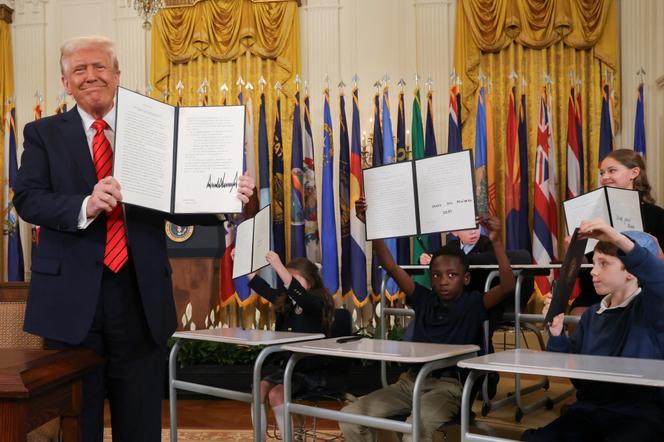
In a landmark decision signaling a profound transformation in national education policy, former President Donald Trump has enacted an executive order aimed at dissolving the U.S. Department of Education. This decisive move fulfills a prominent campaign pledge and initiates a sweeping reorganization of how education is governed and financed across the country. Announced amid intense public debate, the directive seeks to curtail federal control, transferring greater authority to state and local entities, thereby igniting a contentious dialog about the future governance of American education.
The core elements of this restructuring plan include:
- Shifting funding oversight responsibilities from the federal level to state governments, granting them enhanced discretion over budgetary decisions.
- Removing federal mandates related to standardized assessments and national curriculum guidelines.
- Broadening school choice initiatives, such as expanding voucher programs and increasing support for charter schools.
While the administration has committed to collaborating with Congress to enact these changes, significant legislative challenges loom. Education advocates caution that dismantling the department could jeopardize essential protections for vulnerable student populations and deepen existing educational inequities. Conversely, some state officials express guarded optimism, anticipating more customized, community-focused education policies.
Implications for Federal Education Funding and Regulatory Oversight
The proposed elimination of the Department of Education threatens to disrupt the federal government’s traditional role in financing public schools and enforcing educational standards. States and local districts, which have long depended on substantial federal funding and regulatory frameworks, may face considerable obstacles in sustaining financial stability and compliance with educational mandates. Experts warn this transition risks widening the gap between affluent districts and those heavily reliant on federal assistance, potentially affecting millions of students nationwide.
Anticipated consequences include:
- Reallocation of federal funds to state agencies or private organizations, raising concerns about consistency and equity.
- Reduction or elimination of federal oversight mechanisms that protect civil rights and promote educational fairness.
- Increased administrative demands on states that may lack the infrastructure to effectively manage redistributed resources.
| Funding Category | Current Federal Role | Potential Impact After Dissolution |
|---|---|---|
| Title I Grants | Financial support for schools serving low-income students | State control with risk of uneven distribution |
| Special Education | Mandates and funding under IDEA (Individuals with Disabilities Education Act) | Possible deregulation,raising concerns about access and quality |
| Accountability and Compliance | Enforcement of federal education standards and civil rights laws | Potential weakening or fragmentation of oversight |
National Response: Educators and Lawmakers Divided Over Education Department Abolition
Educators nationwide have reacted swiftly and with concern to the executive order,fearing significant repercussions for public education. Teachers’ unions warn that dismantling the Department of Education could erode federal safeguards for marginalized students, exacerbate achievement gaps, and weaken accountability frameworks. Simultaneously occurring, some school leaders express apprehension about how local districts will manage funding and regulatory complexities without federal guidance.
Political leaders’ responses have sharply diverged along party lines, reflecting the polarized climate surrounding education policy. Democratic lawmakers denounce the move as a reckless attempt to privatize education and dismantle civil rights protections, vowing to oppose the order through legislative means. In contrast, Republican supporters hail the decision as a fulfillment of promises to reduce federal overreach and empower states and communities. The table below outlines these contrasting perspectives:
| Stakeholder Group | Main Concern or Support | Position |
|---|---|---|
| Educators | Protection of federal funding and student rights | Opposed |
| Democratic Lawmakers | Preservation of civil rights enforcement | Opposed |
| Republican Lawmakers | Advocacy for state autonomy and reduced federal control | Supported |
| School Administrators | Concerns over operational clarity and funding stability | Mixed |
Strategies for Adapting to Education Policy Shifts Amid Federal Restructuring
As the federal education landscape undergoes significant transformation, it is crucial for schools, educators, and communities to adopt adaptive and proactive approaches. Staying well-informed about evolving policies through official channels and active participation in local education discussions will be vital. Strengthening partnerships between school districts and community organizations can definitely help mitigate challenges arising from diminished federal involvement, ensuring continuity of essential programs.
Recommended approaches include:
- Empowering Local Governance: Grant school boards enhanced authority with clear operational guidelines to make informed decisions.
- Optimizing Resource Management: Establish transparent and equitable frameworks for distributing funds previously overseen by federal agencies.
- Investing in Educator Development: Prioritize continuous professional training to uphold instructional quality amid shifting standards.
- Engaging Families and Communities: Create open communication channels to foster collaboration and support for schools.
| Focus Area | Recommended Action | Anticipated Result |
|---|---|---|
| Funding | Implement local oversight of redirected resources | Transparent, needs-based budgeting processes |
| Curriculum | Align educational content with state-specific standards | Consistency with regional educational goals |
| Community Engagement | Increase public involvement in school decision-making | Stronger community support and accountability |
Conclusion: The Future of Education Policy in America
The Trump administration’s initiative to dismantle the U.S. Department of Education represents a watershed moment in the ongoing debate over federal involvement in schooling. As this ambitious agenda unfolds,it raises critical questions about the balance of power between federal,state,and local authorities,and the government’s role in safeguarding equitable access to quality education. Stakeholders across the spectrum remain vigilant as the nation prepares for the profound and lasting changes that lie ahead in American education policy.