Massive Federal Education Layoffs Reshape California’s School Landscape and National Policy
Notable Workforce Reductions at the U.S. Department of Education Spark Nationwide Concerns
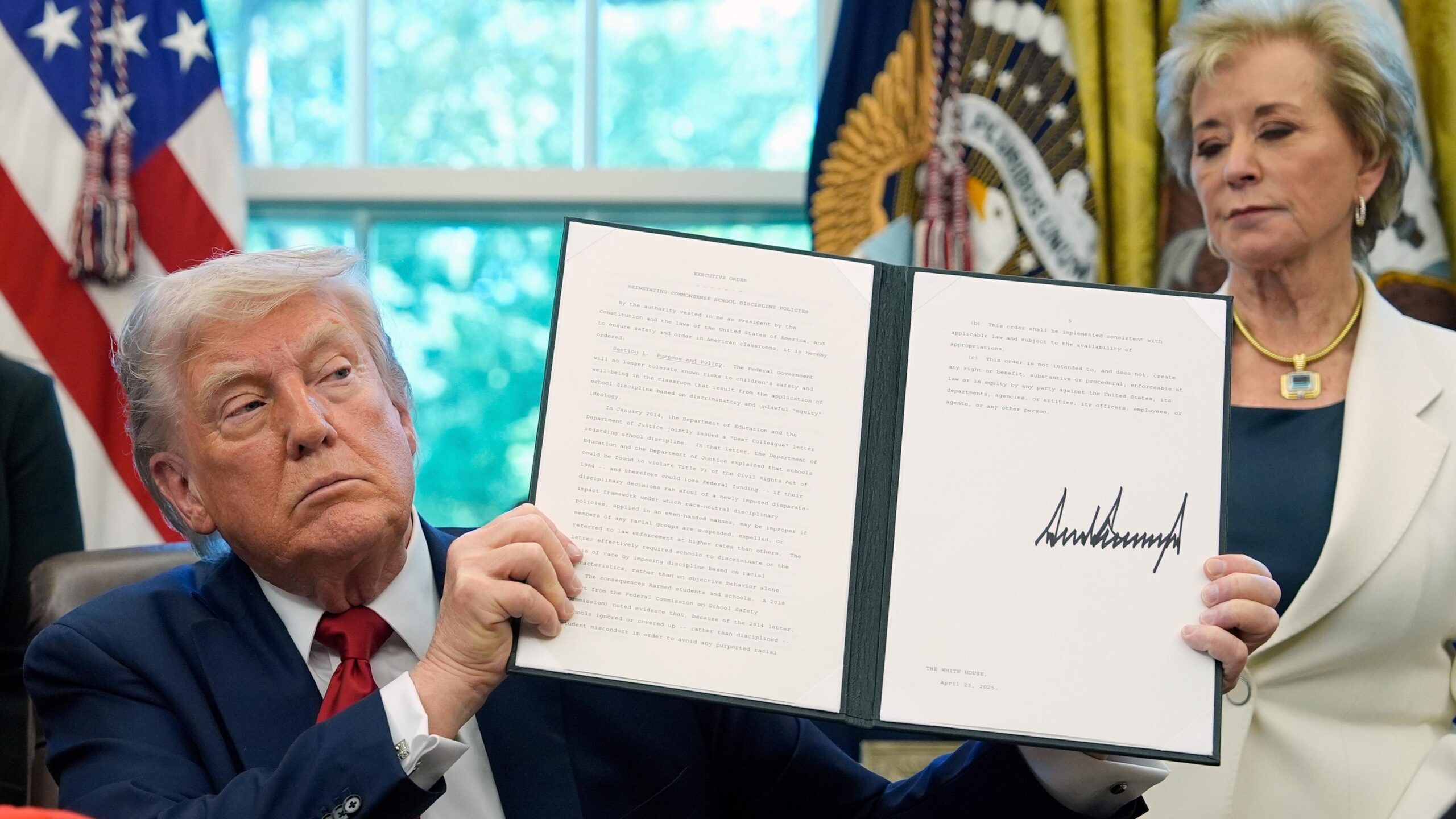
The Trump administration’s recent decision to drastically reduce the U.S.Department of Education’s staff—cutting nearly 30% of its workforce—has sent shockwaves through the education sector nationwide. This historic downsizing targets essential divisions such as special education and student financial aid, igniting fears among educators, policymakers, and advocacy organizations about the potential disruption to federal oversight and support. The reduction threatens to slow down critical program rollouts and weaken enforcement of federal education laws, potentially compromising the quality and accessibility of public education services.
California, with the nation’s largest public school system, is experiencing the most immediate and profound effects.School districts from Sacramento to San Diego report growing uncertainty as federal guidance and resources dwindle, disproportionately affecting underserved and marginalized communities. Key anticipated impacts on California’s education system include:
- Growing administrative delays: Longer wait times for processing student aid and grant applications.
- Weakened special education support: Fewer federal personnel to monitor compliance with the Individuals with Disabilities Education Act (IDEA).
- Increased pressure on local districts: More responsibilities shifted to already overextended school administrators and staff.
| Department Division | Percentage of Staff Cut | Primary Result |
|---|---|---|
| Student Financial Aid | 35% | Backlogs in submission processing and grant approvals |
| Special Education | 28% | Reduced compliance oversight and support services |
| Policy & Compliance | 30% | Weakened enforcement of federal education regulations |
California Schools Grapple with Federal Layoff Fallout and Emerging Obstacles
As the federal Department of Education’s workforce shrinks, California’s public schools are confronting a cascade of challenges. The diminished federal presence has led to delays in funding disbursement and a reduction in critical oversight functions. District leaders express concern over the impact on special education programs, student loan counseling, and equity initiatives designed to support historically underserved populations. The loss of experienced federal staff has resulted in postponed compliance audits and funding decisions, forcing local agencies to compensate for these gaps.
Highlighted challenges include:
- Slowed federal grant approvals, hindering timely resource allocation.
- Decreased enforcement of civil rights protections, raising concerns about educational equity.
- Limited availability of student loan counseling, affecting California’s large and diverse student body.
| Impact Category | Short-Term Effect | Long-Term Risk |
|---|---|---|
| Grant Administration | Processing delays | Potential reduction in available funding |
| Compliance Monitoring | Backlogs in inspections | Heightened risk of discrimination and non-compliance |
| Student Support Services | Reduced counseling availability | Increased student loan default rates |
Long-Term Risks Highlighted by Education Experts: Student Services and Policy Enforcement at Stake
National education specialists are raising urgent warnings about the far-reaching consequences of the Department of Education’s staffing cuts. The diminished federal capacity to uphold student protections and oversee vital programs threatens to degrade the quality and reach of student services. Vulnerable groups—especially low-income and minority students—are expected to face the greatest setbacks, potentially widening existing educational disparities.
Additionally, the enforcement of federal education policies may become inconsistent across states, leading to a patchwork of compliance standards. This uncertainty has spurred calls for increased state-level intervention and funding, with California positioned as a critical testing ground for these adaptive strategies. Key anticipated long-term effects include:
- Reduced enforcement of campus sexual assault policies.
- Delays in processing federal student aid applications.
- Weakened implementation of disability accommodations.
- Greater administrative burdens placed on state education agencies.
| Area of Impact | Projected Outcome | Time Horizon |
|---|---|---|
| Student Services | Reduced availability and quality of programs | 6 to 12 months |
| Policy Enforcement | Inconsistent compliance and oversight | Immediate to 1 year |
| State Education Budgets | Increased demand for funding and resources | 1 to 2 years |
State-Led Solutions: Policy Recommendations to Counteract Federal Education Disruptions
In light of the destabilizing federal layoffs, education advocates and policy experts are urging state governments to take proactive leadership in safeguarding and strengthening public education systems. Localized initiatives are deemed essential to offset the decline in federal support and maintain continuity of services, especially for at-risk student populations. Recommended approaches include bolstering state investments in educational technology, expanding mental health resources within schools, and implementing programs aimed at retaining qualified educators to prevent workforce attrition.
- Increase state funding for digital learning infrastructure and broadband access.
- Provide targeted interventions to address learning loss caused by recent disruptions.
- Enhance teacher support through professional development and wellness programs.
To assist policymakers in prioritizing efforts,the following table outlines critical focus areas where state action can yield immediate benefits. This strategic framework is designed to optimize resource allocation and promote measurable improvements despite the challenges posed by reduced federal involvement. Experts emphasize the urgency of these measures to prevent further exacerbation of educational inequities and to secure long-term student success.
| Priority Area | Recommended Strategy | Anticipated Impact |
|---|---|---|
| Technology Equity | Distribute grants for devices and high-speed internet access | Close the digital divide among students |
| Mental Health Support | Expand counseling staff and mental health programs | Enhance student emotional well-being and resilience |
| Educator Retention | Offer incentives, mentorship, and ongoing training | Stabilize and strengthen the teaching workforce |
Conclusion: Navigating an Uncertain Future in Education
The sweeping layoffs within the Department of Education under the Trump administration have triggered significant challenges for schools nationwide, with California among the most affected.Education leaders and policymakers are preparing for the long-term ramifications on student support services, program oversight, and overall school operations. As federal involvement diminishes, the call for clear guidance and stable funding grows louder. The coming months will reveal the full extent of these staffing reductions’ impact, as educators and administrators strive to adapt and maintain quality education amid an evolving and uncertain landscape.